

Can You Travel the North Coast 500 by Public Transport?
Yes – you can travel the North Highlands by public transport! And while it might take a little bit more planning ahead and journey checking, it may just be the most immersive way to do it.
Travelling the North Highlands by public transport is an invitation to experience the region differently. By swapping the steering wheel for train windows, bus routes, leisurely strolls and boat trips you give yourself permission to slow down, notice more, and connect more deeply with the places and people that make the far north so special. This itinerary developed with help from Michael Willmot of the Far North Line Community Rail Partnership, follows much of the iconic North Coast 500, but at a gentler, more intentional pace, ideal for travellers seeking sustainability, authenticity and meaningful experiences.
Please note: Public transport services in the North Highlands are subject to seasonal timetables, weather conditions and operational changes. Routes, days of operation and departure times may vary, particularly for rural bus, ferry and train services. We strongly recommend checking the most up‑to‑date timetables and confirming connections directly with transport providers before travelling, and allowing flexibility in your plans where possible
Day 1 – Inverness to Wick: Embrace the East Coast by Train or Bus
Thursday
Your journey begins in Inverness, heading north along the A9 towards Wick.
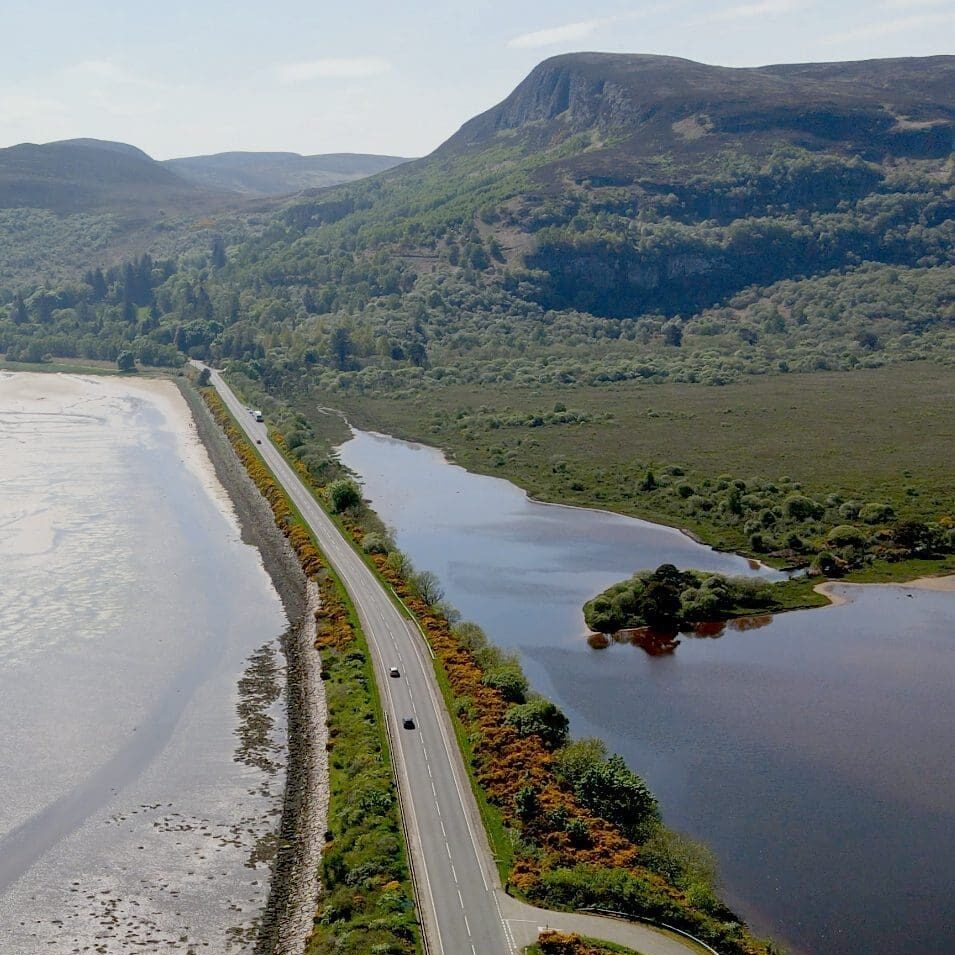
Option 1 – Ember Electric Bus
Electric Ember buses run daily regular services, including Sundays, offering a low carbon, comfortable journey of around three hours. Buses depart Inverness at approximately 04:30, 08:21, 14:34 and 18:39. Learn more on the Ember website.
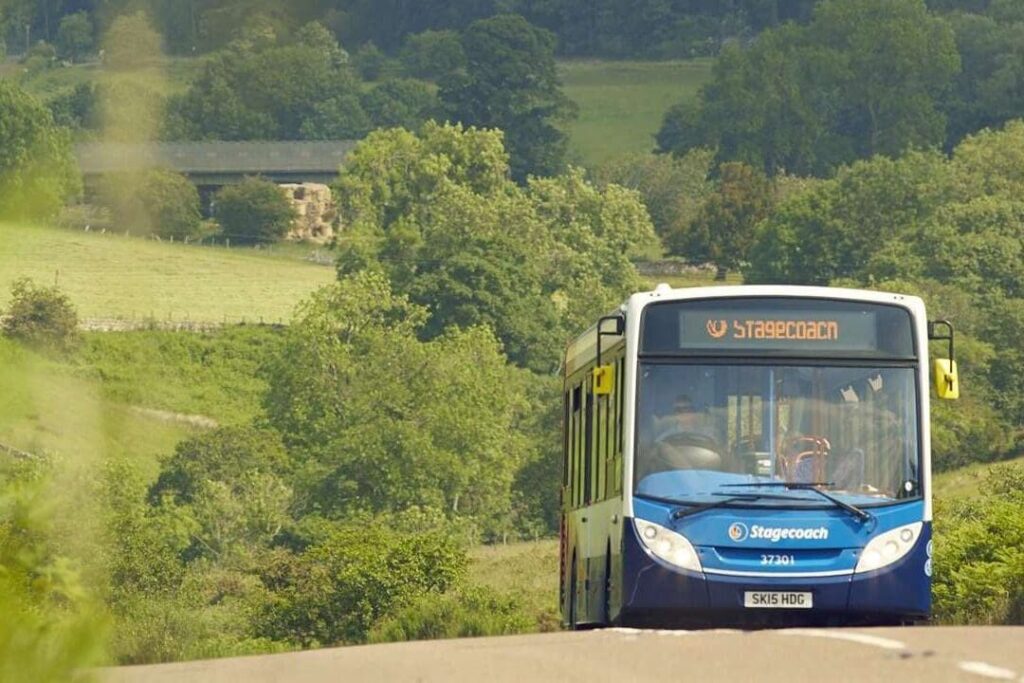
Option 2 – Stagecoach X99
Stagecoach’s X99 service provides similar travel times with 3 departures daily throughout the week. Departures are approximately 09:56, 12:56 and an evening service. Learn more on the Stagecoach website.
Option 3 – The Far North Line Railway
For the most spectacular views, the Far North Line railway offers one of Britain’s most scenic rail journeys, with around four services per day during the week (departing Inverness at approximately 07:00, 10:41, 14:00 and 18:31) passing castles, coastline and peatlands as it heads north. Find full timings on the Scotrail website.
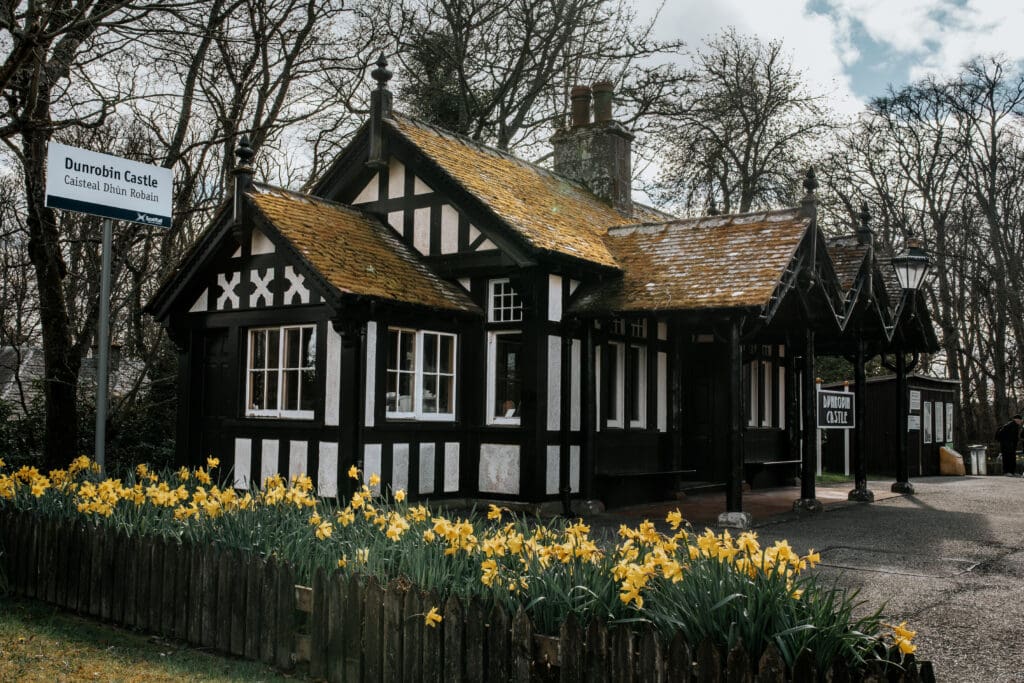
Travelling by train is where slow travel truly comes into its own. Rather than rushing through the landscape, you can choose to step off along the way. A stop at Dunrobin Castle allows time to explore its grand interiors and formal gardens, while getting off at Forsinard takes you directly into the Flow Country which is a vast, living peatland now recognised as a UNESCO World Heritage Site. Walking the boardwalks and learning about the role peatlands play in climate regulation adds a deeper layer of meaning to your journey north. You will find other suggestions on the Scenic Rail website and the Far North Line Community Rail Partnership website to help you make the most of your rail journey.
See Venture North’s East Sutherland Area Guide for more information on what to get up to on the East Coast of Sutherland.


By the time you arrive in Wick, the pace has shifted. You’re no longer passing through the Highlands, you’re part of them. For information on accommodation, food and drink and things to do in Wick, visit Venture North’s Wick and East Coast Caithness Area Guide.
Day 2 – Wick to Thurso via John O’Groats
Friday
Stagecoach buses run from Wick to John O’Groats twice daily during the week (08:43 and 12:43), with a journey time of around 30 minutes. Travelling without a car means there’s no rush, time here is yours to spend.
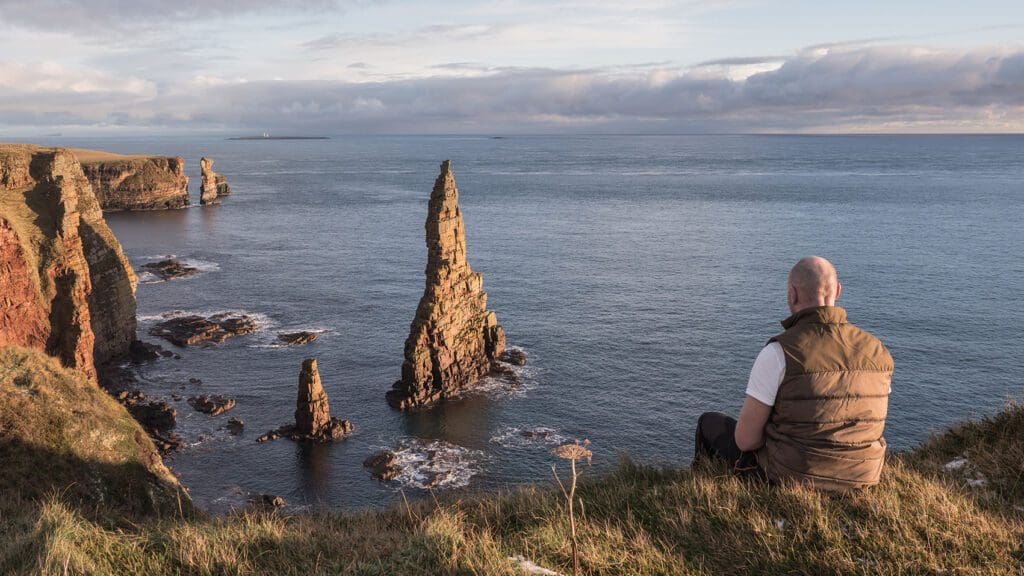
John O’Groats reveals itself most fully when you linger. While the famous signpost is worth a photo, the real reward comes from walking the coastline to Duncansby Stacks, where sea spray, cliffs and seabirds create an unforgettable sense of scale. Local cafés, like Café Groats, offer warm welcomes and fresh lunches, while the John O’Groats Mill and 8 Doors Distillery invite you to engage with community‑led businesses rooted in local heritage. Without the need to drive, enjoying a local drink or extending a conversation becomes part of the experience rather than a compromise.
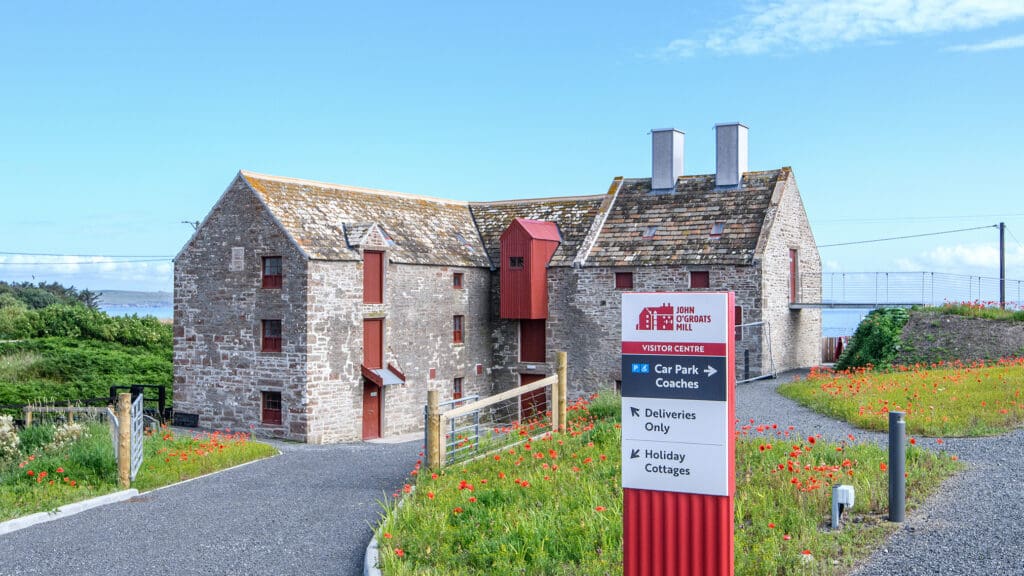
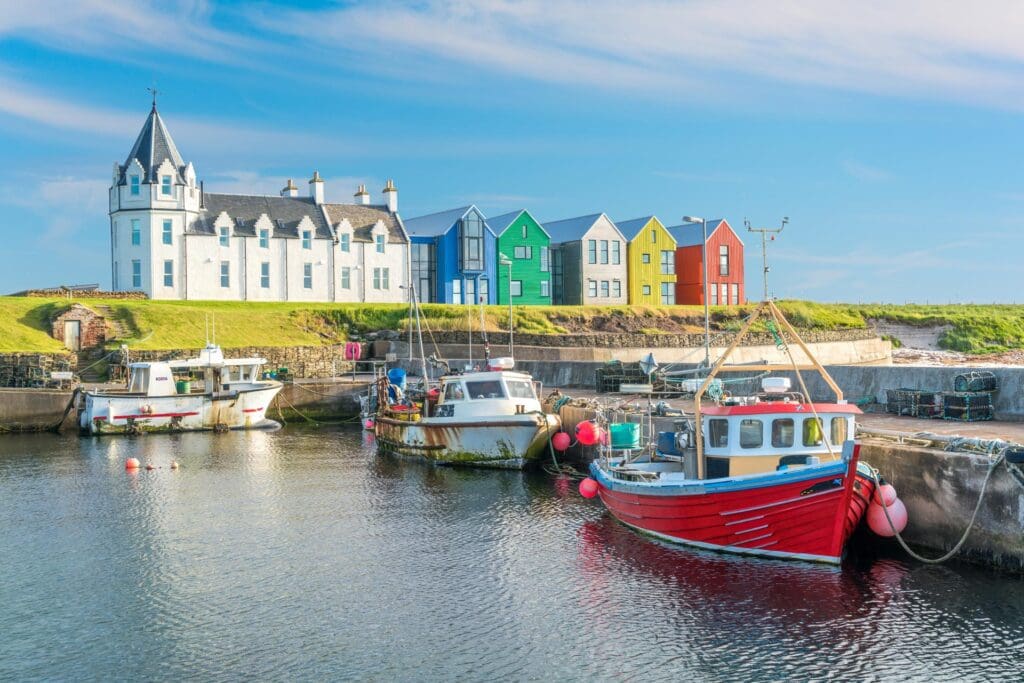
In the late afternoon, the number 80 bus departs at 16:50, carrying you west to Thurso. The short ride offers time to reflect on the day before settling into your second overnight stop.
Venture North’s Thurso & North Coast Caithness Area Guide offers more information on things to see in do in and around Thurso and John O’Groats.
Day 3 – Thurso to Durness: Slowing Down Along the North Coast
Saturdays (only)
The morning in Thurso is best spent exploring at a relaxed pace. The North Coast Visitor Centre provides context for the landscapes you’ve been travelling through, linking modern communities with Caithness’ extraordinary geological history. It’s a grounding reminder that these dramatic coastlines and mountains are shaped by millions of years of change, there’s even a café to catch a spot of lunch before the next leg of your journey.
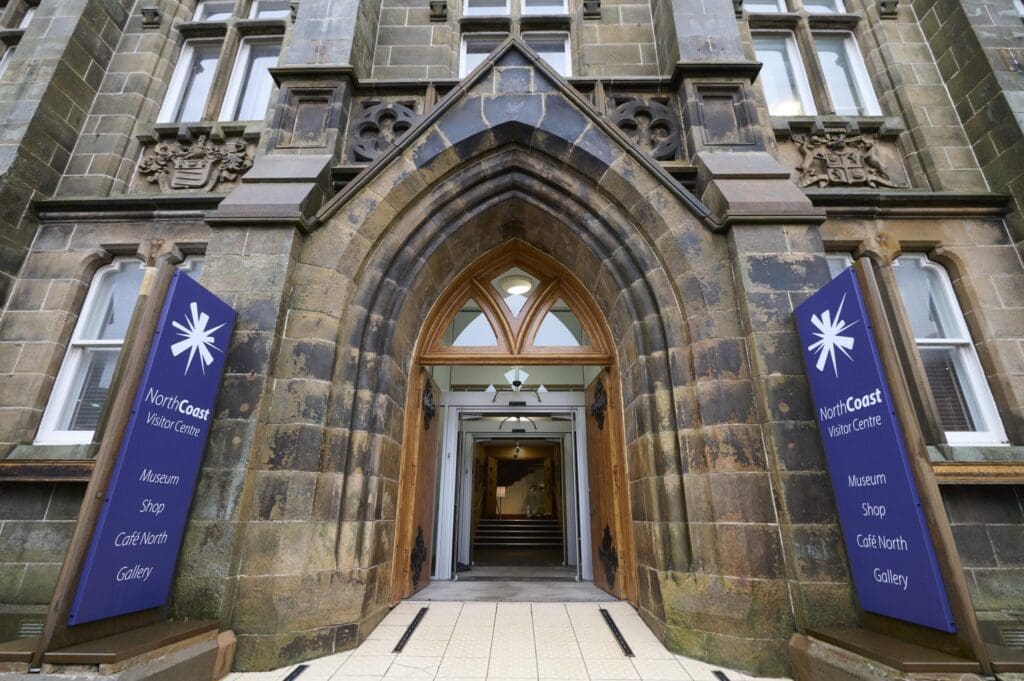
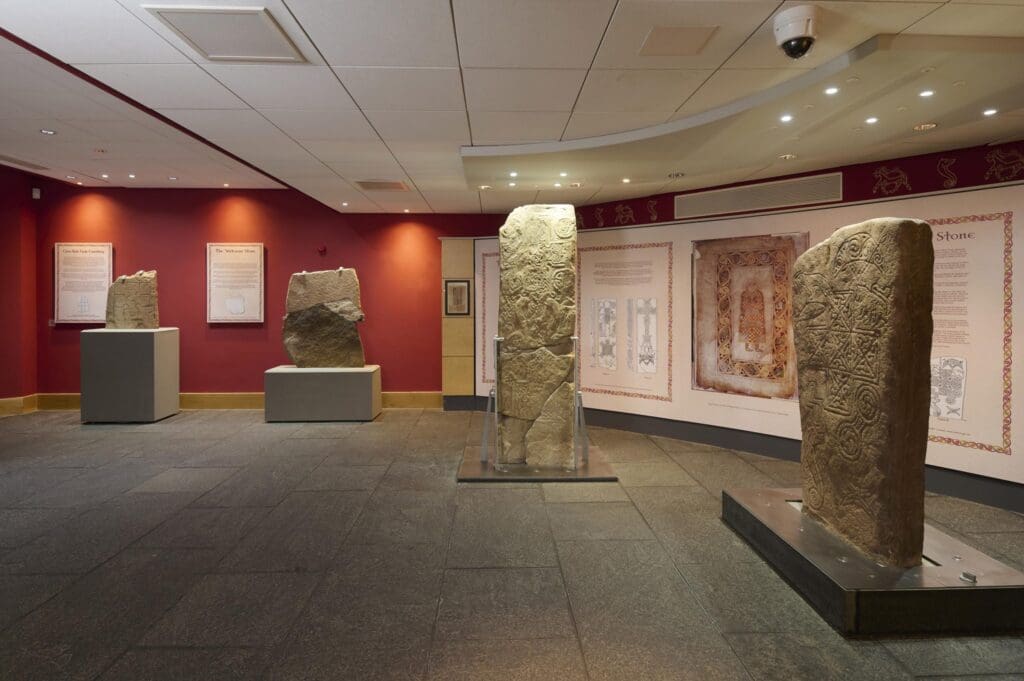
At 14:30, the Far North Bus (service 803) departs Thurso for Durness, a Saturday‑only service, but one of the most scenic bus journeys in the Highlands. As the road curves west, white‑sand beaches, turquoise waters and the wide openness of the Kyle of Tongue come into view. With no driving demands, you’re free to simply watch the landscape unfold, noticing how the light shifts across Ben Loyal and Loch Eriboll, and how villages sit quietly within vast spaces.
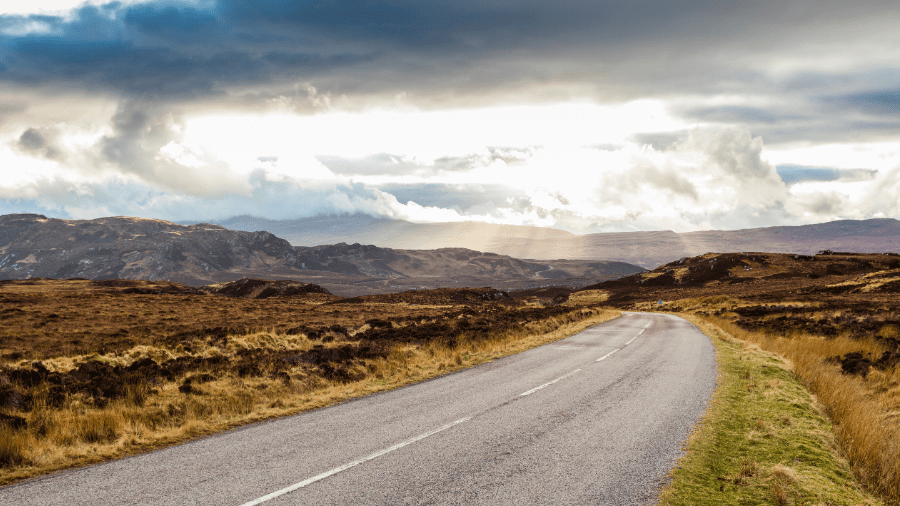
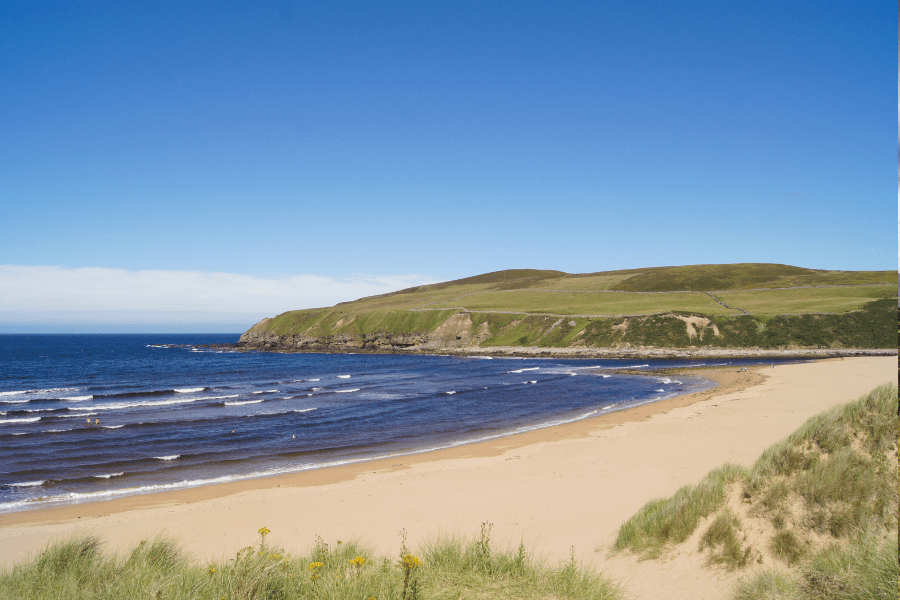
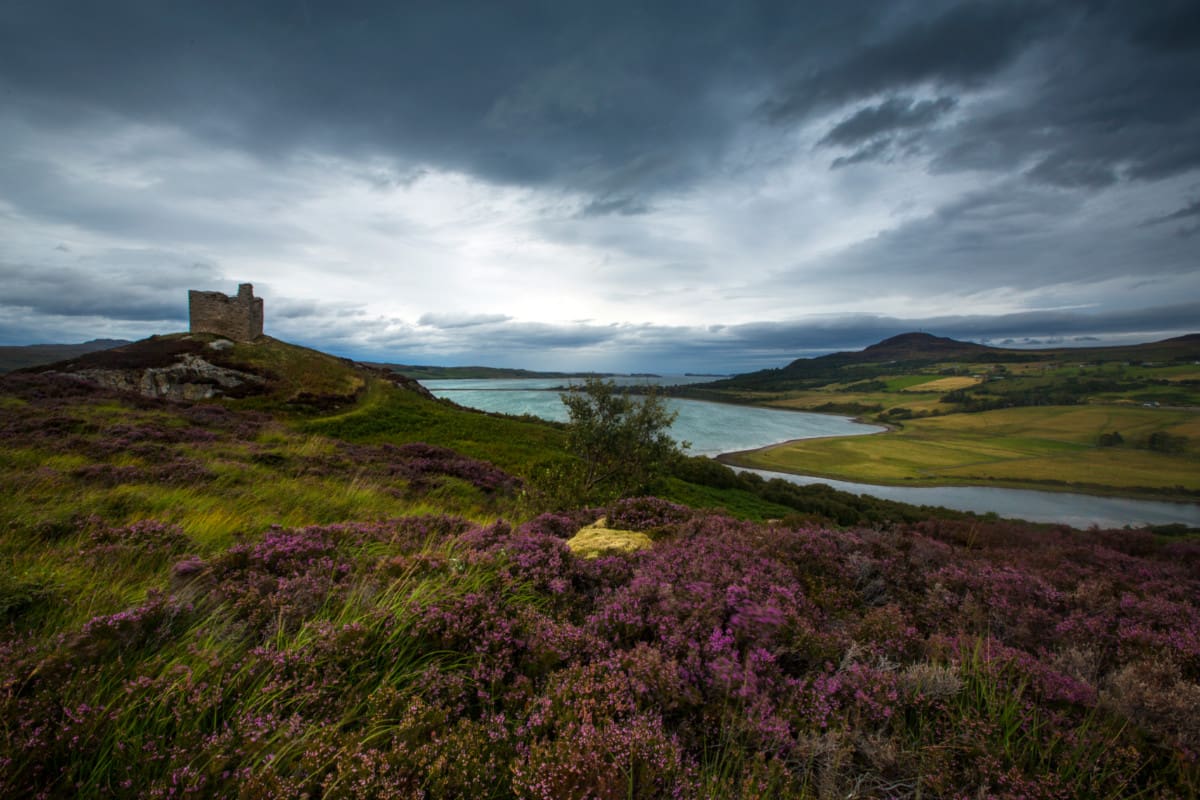
It takes around 2.5 hours for the bus to wind its way along the north‑west coast, but on arriving in Durness, you’ll quickly feel the openness and sense of space.that define north‑west Highlands. You can discover more about things to see and do in Durness and North Sutherland by visiting the Venture North Sutherland North Coast Area Guide.
Day 4 – Durness and Cape Wrath: Experiencing the Edge
Sunday
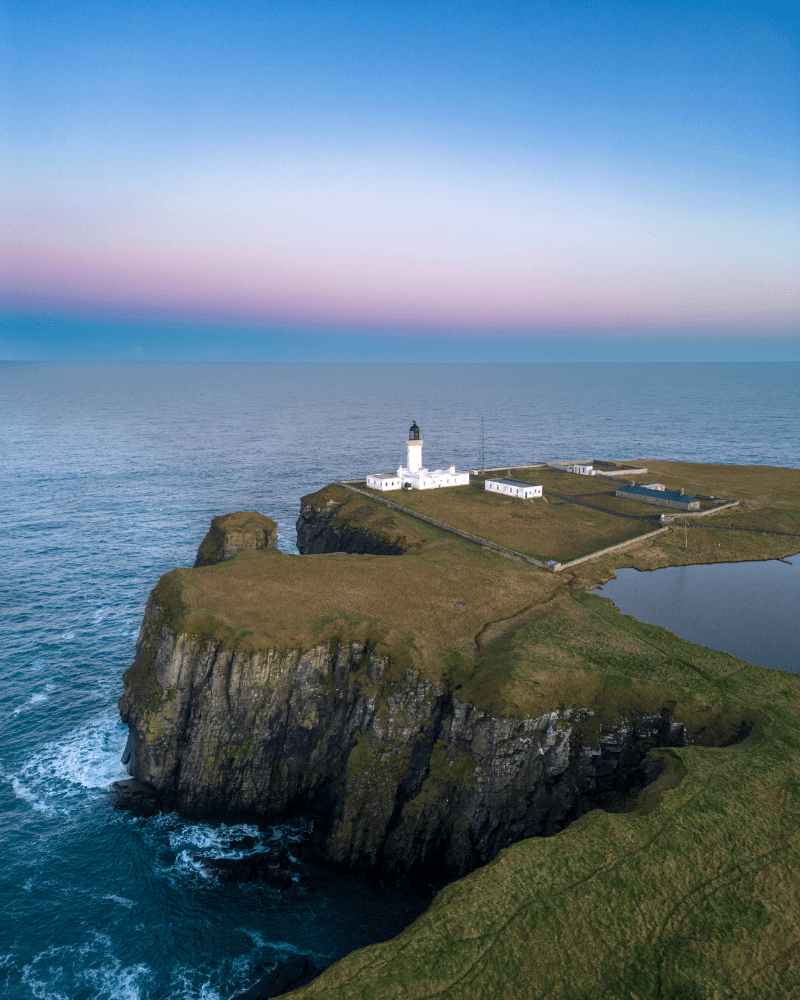
Between May and September, and weather permitting, the Cape Wrath Ferry and Minibus offer one of the most memorable experiences in mainland Britain. Crossing the Kyle of Durness by boat and travelling by minibus along a rough track to the lighthouse is not a journey to rush. It’s bumpy, exposed and unforgettable, a reminder that the wildest places are best experienced slowly and respectfully.
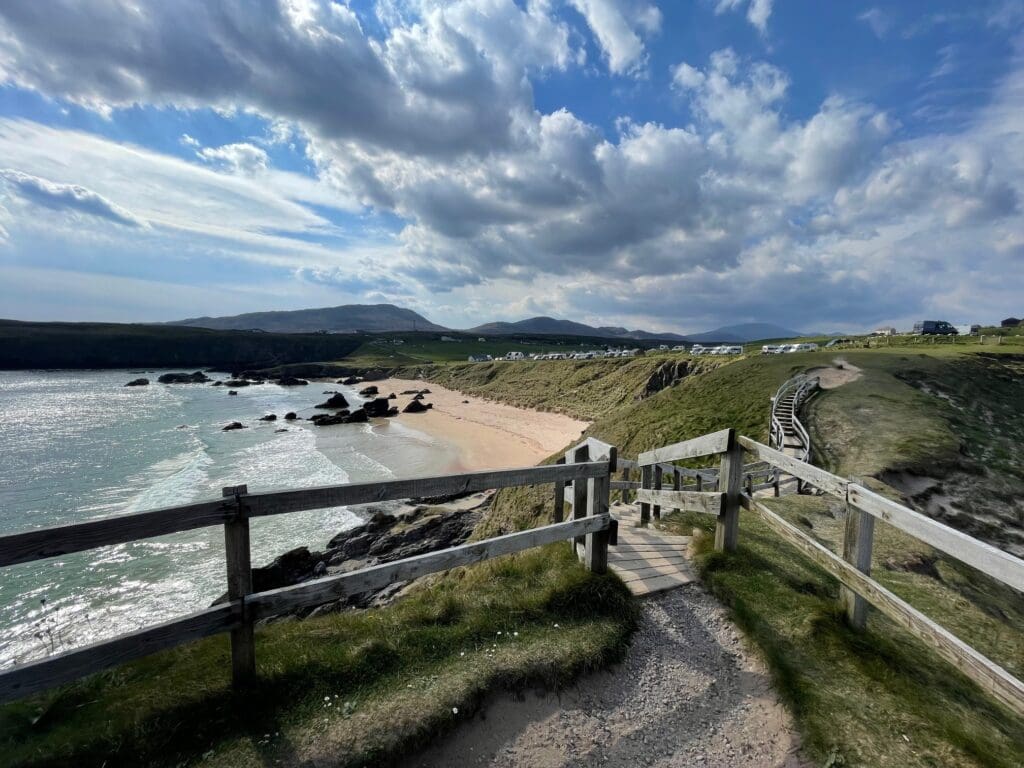
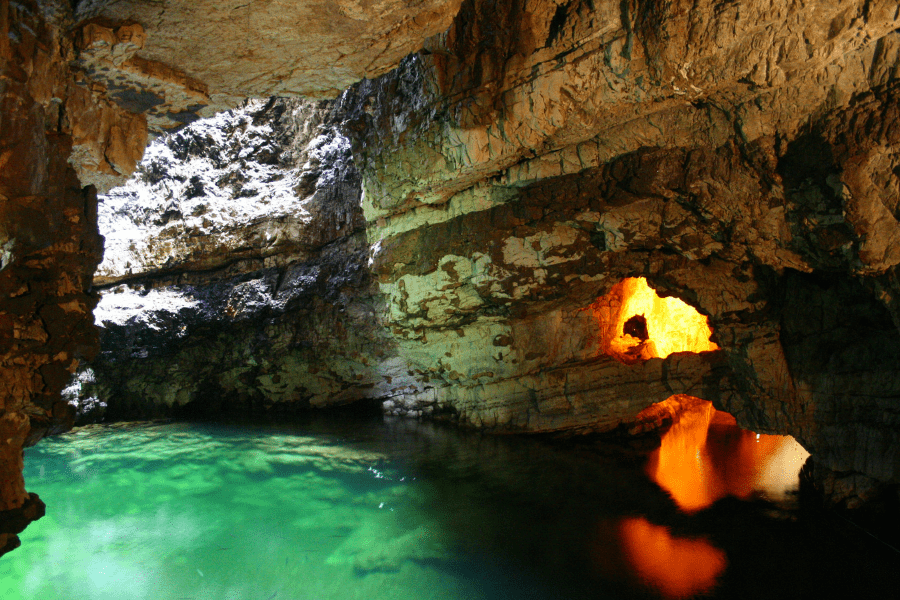
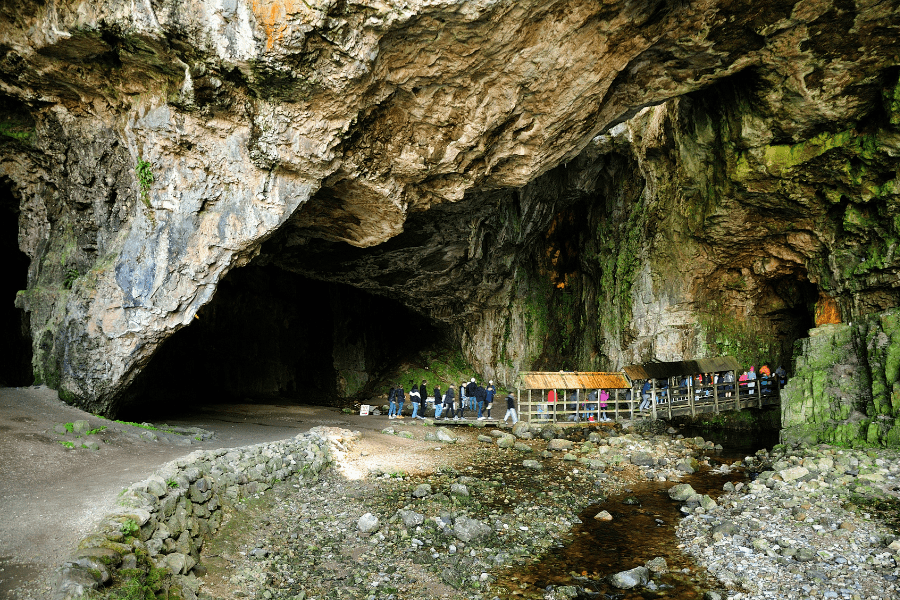
If conditions prevent the crossing, Durness itself offers plenty. Exploring Smoo Cave, formed over millions of years by sea and river, reveals the power of natural forces that have shaped the Highlands. With time to walk, reflect and absorb your surroundings, the day remains rich regardless of the route taken. Or embrace the cultural and crafts with a visit to Balnakiel Craft Village, where you can even grab yourself a treat, from jewellery to chocolate, enjoy the produce from this special corner of the region.
Day 5 – Durness to Lairg and Inverness: Through the Heart of Sutherland
Monday
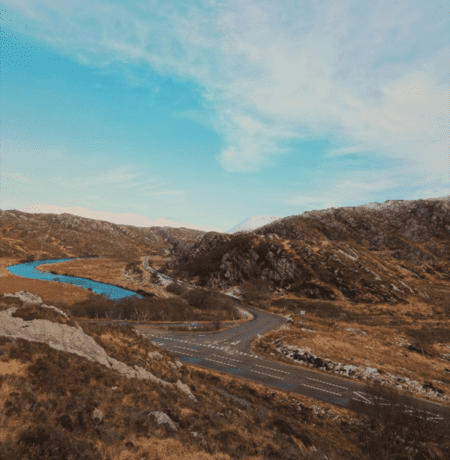
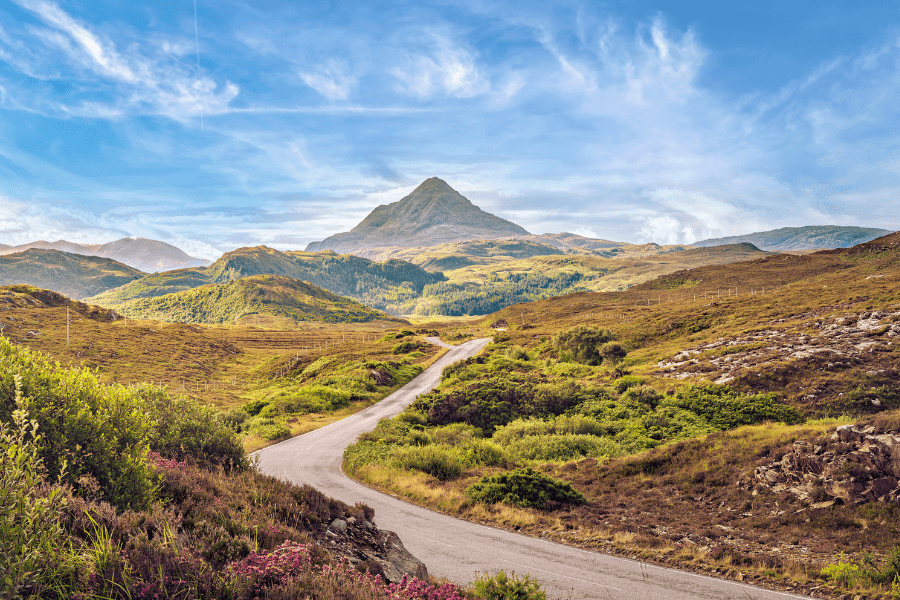
An early start at 8:05 sees you depart Durness on the Far North Bus, heading south through a lesser‑travelled but deeply beautiful part of the Highlands. This route passes through Kinlochbervie, Laxford and Achfary (keep an eye out for the only black and white telephone box in the UK!) before reaching Lairg, often described as the Crossroads of the North.
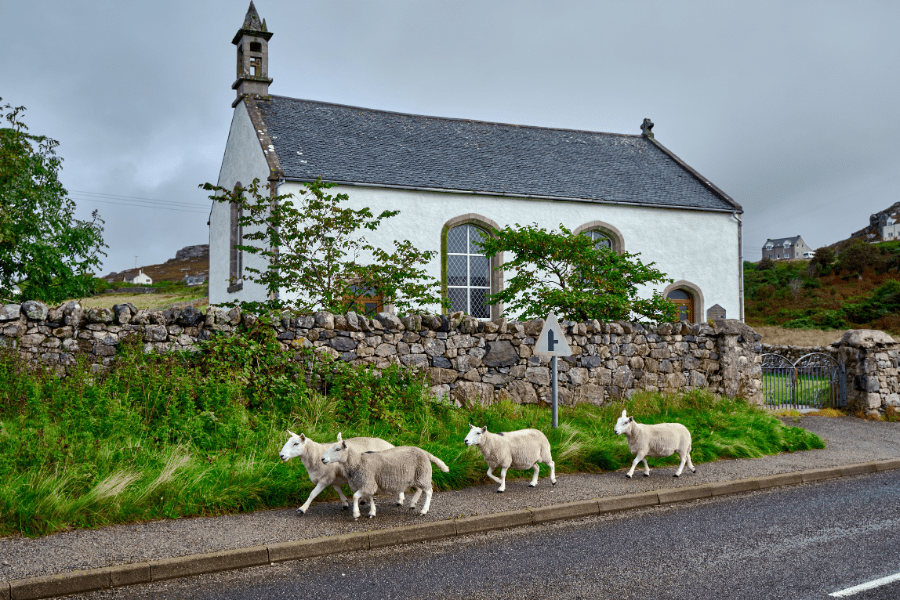
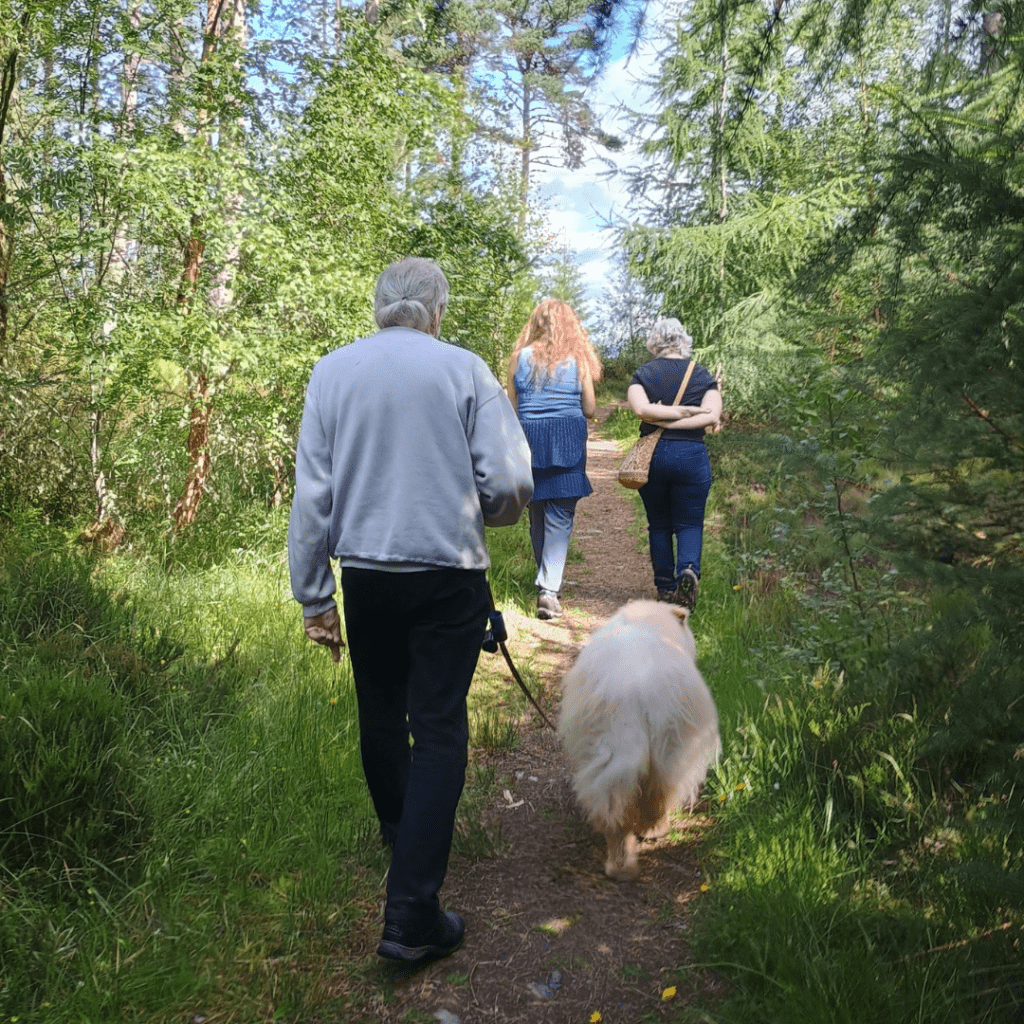
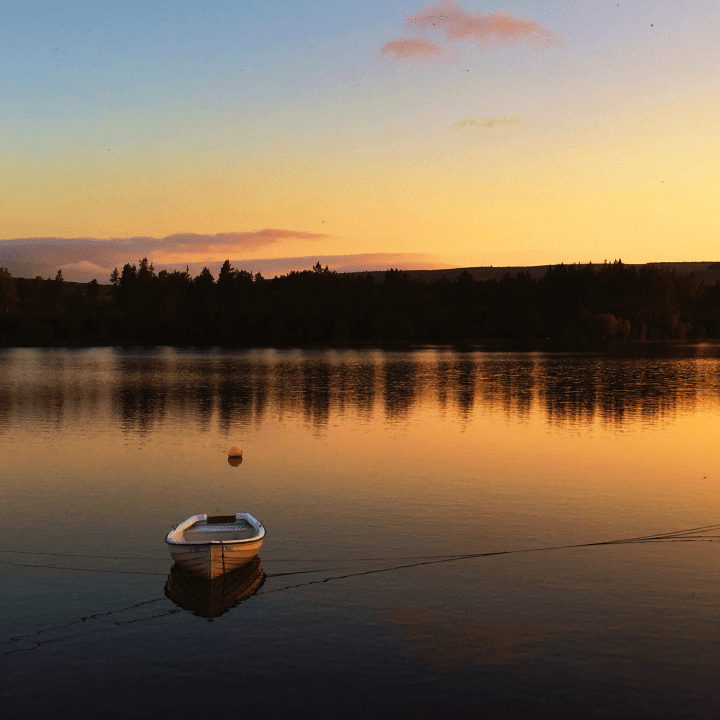
Here, the slower rhythm of travel is most evident. Woodland walks through Gunn’s Wood or Ferry Wood offer peaceful final moments in the landscape, with views across Loch Shin towards the mountains of the west. The Ferrycroft Visitor Centre (open Thursday – Monday) brings the journey full circle, highlighting local voices, history and storytelling, reinforcing the idea that the Highlands are not just places to see, but places lived in. The heart of Sutherland is full of wonderful natural sights and activities, visit the Venture North Central Sutherland Area Guide to discover more things to see and do in and around Lairg.
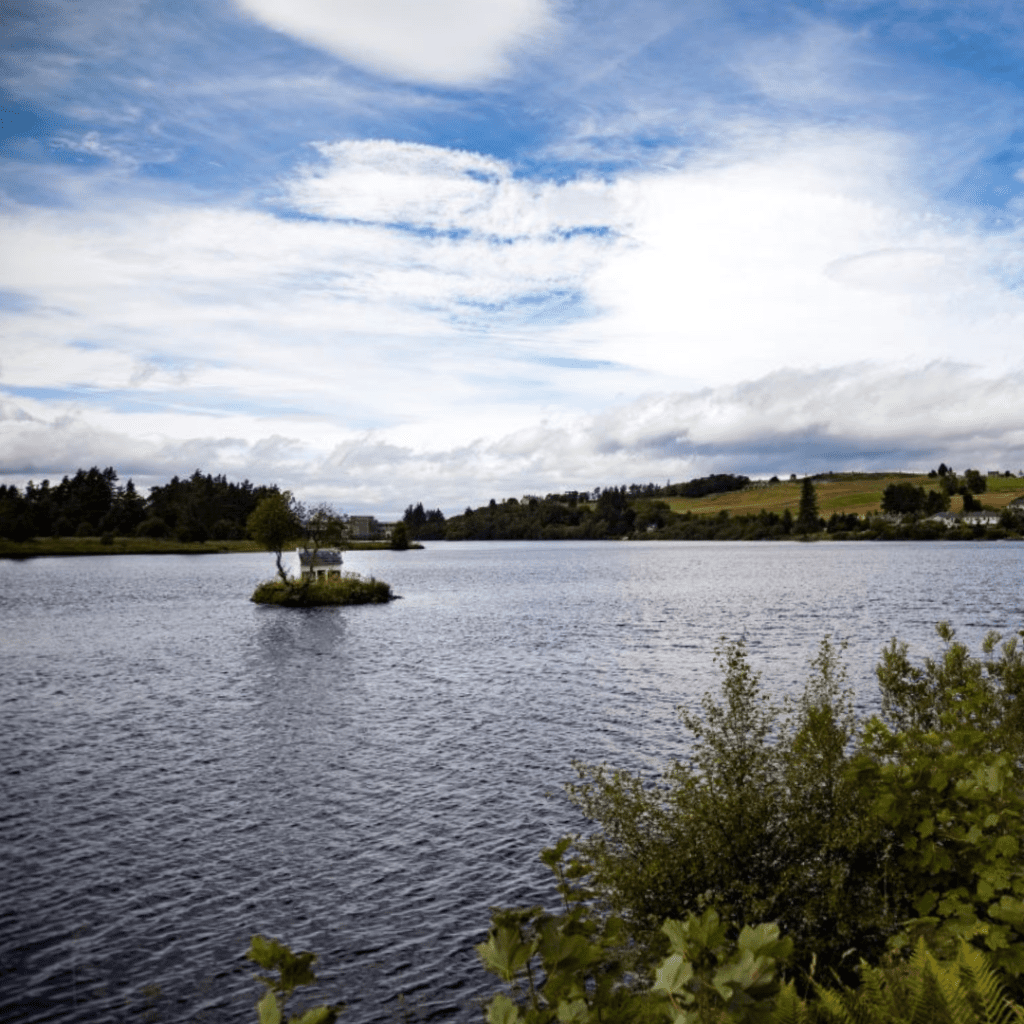
Lairg railway station is 1½ miles from Lairg village but the bus can put you down at the station (arriving at 10.28) in time to catch the 10.38 train to Inverness, or if you want to explore further, change at Dingwall for the Kyle of Lochalsh line offering you another spectacular scenic journey and access to other destinations on the west coast. More information at can be found on the Scotrail Inspiration Hub: Kyle Line.
Why Travel the North Highlands by Public Transport?
Choosing to explore the North Highlands by public transport supports local communities, reduces environmental impact and creates space for genuine connection. Without the pressures of driving and tight schedules, you’re free to notice more, engage more, and leave with a deeper understanding of the land and people that define Scotland’s far north.
This is slow travel at its best: thoughtful, immersive and unforgettable.
Timetables to help you plan travelling the North Highlands by Public Transport
Note that on some Bustimes pages you have to select the day of the week before checking your journey times. For each route, on a different page you will find a map of the route with markers showing the progress of your bus. It’s always reassuring to know that it is on its way!
Great to know before you go!
Yes, much of the North Coast 500 can be explored using trains, buses and ferries. This car‑free itinerary shows how to experience the North Highlands at a slower pace while connecting key destinations like Wick, John O’Groats, Thurso and Durness.
Essential items include:
- Waterproof clothing
- Comfortable walking shoes
- Snacks and water for longer journeys
- Offline maps or travel apps
Travelling light makes moving between transport connections much easier.
Train tickets (ScotRail) and bus tickets (Ember and Stagecoach) are recommended to book in advance, especially in peak season. Most buses do not require booking, but checking routes and timings ahead of travel is essential.
The best time is May to September, when transport services are more frequent and weather conditions are favourable. Some routes, like the Cape Wrath ferry and the Far North Bus (Thurso–Durness), operate seasonally or on limited days.
Yes, you’ll find a range of accommodation in Wick, Thurso, Durness and Lairg, including B&Bs, guesthouses and hotels. Booking ahead is always recommended. Find places to stay along the North Coast 500 Route with Venture North.
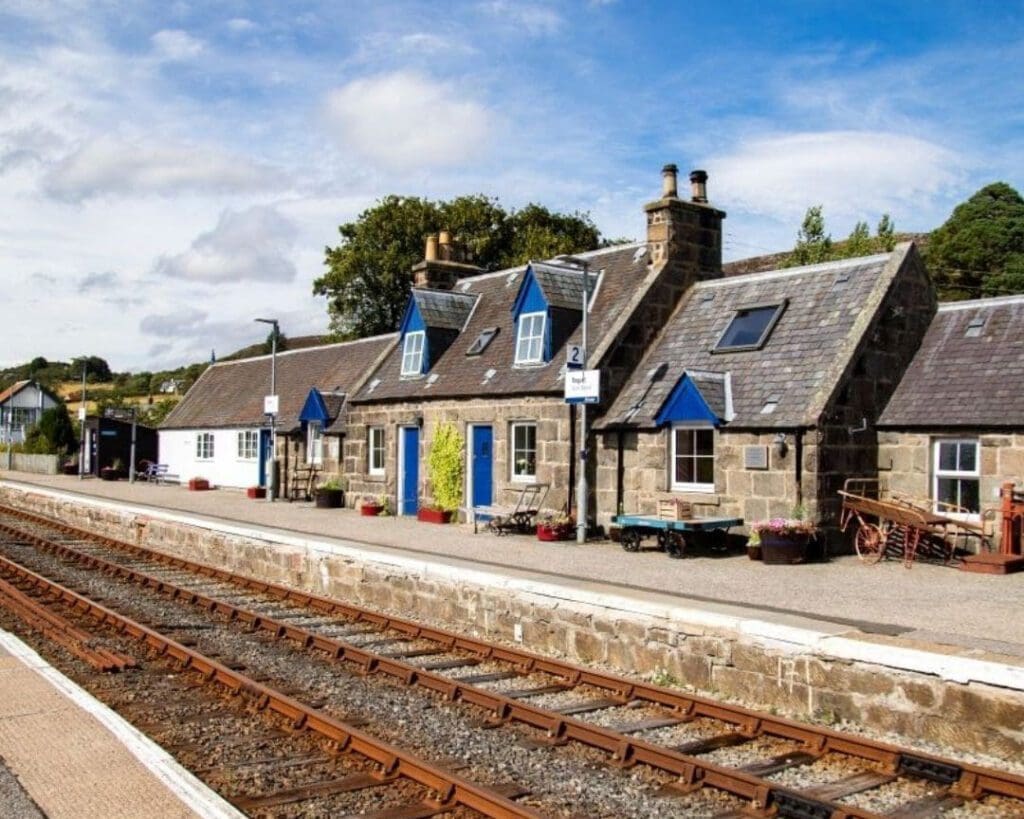
Travel to the North
Planning a trip to Caithness and Sutherland? Your adventure starts here! Whether you’re booking now or just dreaming, visit our Travel and Transport Page to learn all about your options for moving around the region.