A Nature Lovers Guide to Wildlife in the North Highlands
The North Highlands is home to a remarkable variety of wildlife, including insects, birds, and mammals. Each year, visitors flock to the area hoping to catch a glimpse of these majestic creatures, just one of the many reasons to visit Caithness and Sutherland.
With our dramatic coastlines, vast skies, and untouched landscapes, it’s not hard to see why Caithness and Sutherland is a paradise for wildlife enthusiasts. With unforgettable encounters with some of Scotland’s most iconic creatures – large and small – here are just some of our favourite animals to look out for on your visit, and tips on where to see them and how to enjoy them responsibly.
Highland Cows: Iconic Scottish Farm Animals
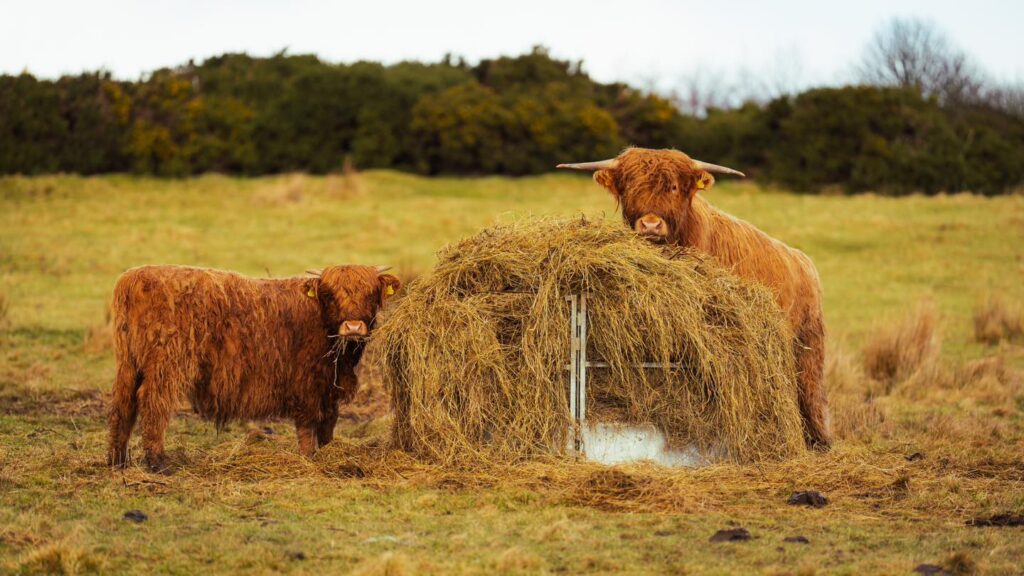
While not technically wild animals, Highland cows, affectionately known as Heilan Coos, are among the most iconic sights in the Scottish Highlands, especially here in Caithness and Sutherland, where many live!
With their long horns, shaggy ginger coats, and gentle nature, these photogenic farm animals are a must-see for visitors. You might spot them grazing peacefully on farmland or even wandering along beaches and golf courses.
If you’re looking for a truly special encounter, there are plenty of working farms with accommodation, like Borlum House Farm, farm shops, and restaurants where you can get up close to these adorable, hairy beasts. One of our favourite stops is Puldagon Farm Shop and Restaurant, just off the NC500, where you can enjoy a delicious breakfast or lunch while admiring their hairy herd of Highland cows.
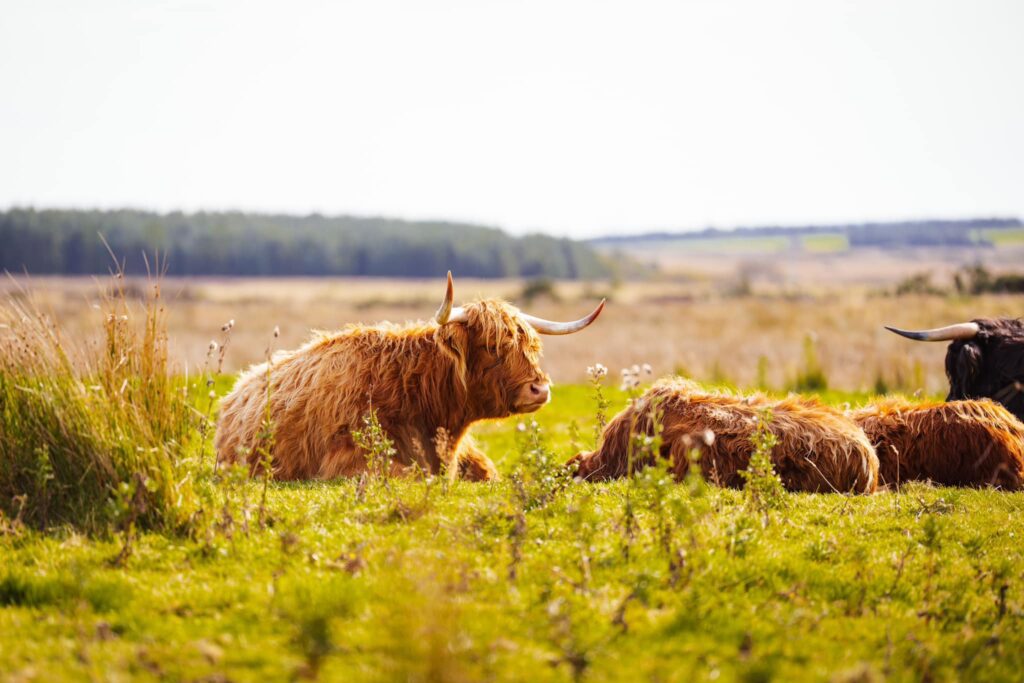
Top Tip: Always admire Highland Cows from a safe distance. Never enter fields or attempt to approach them, as this can cause distress. If you’re driving and spot one, find a safe place to park. Remember, even quiet roads in the Highlands are used daily. Respect agricultural land and follow the Scottish Outdoor Access Code.
Where to See Puffins in Caithness and Sutherland
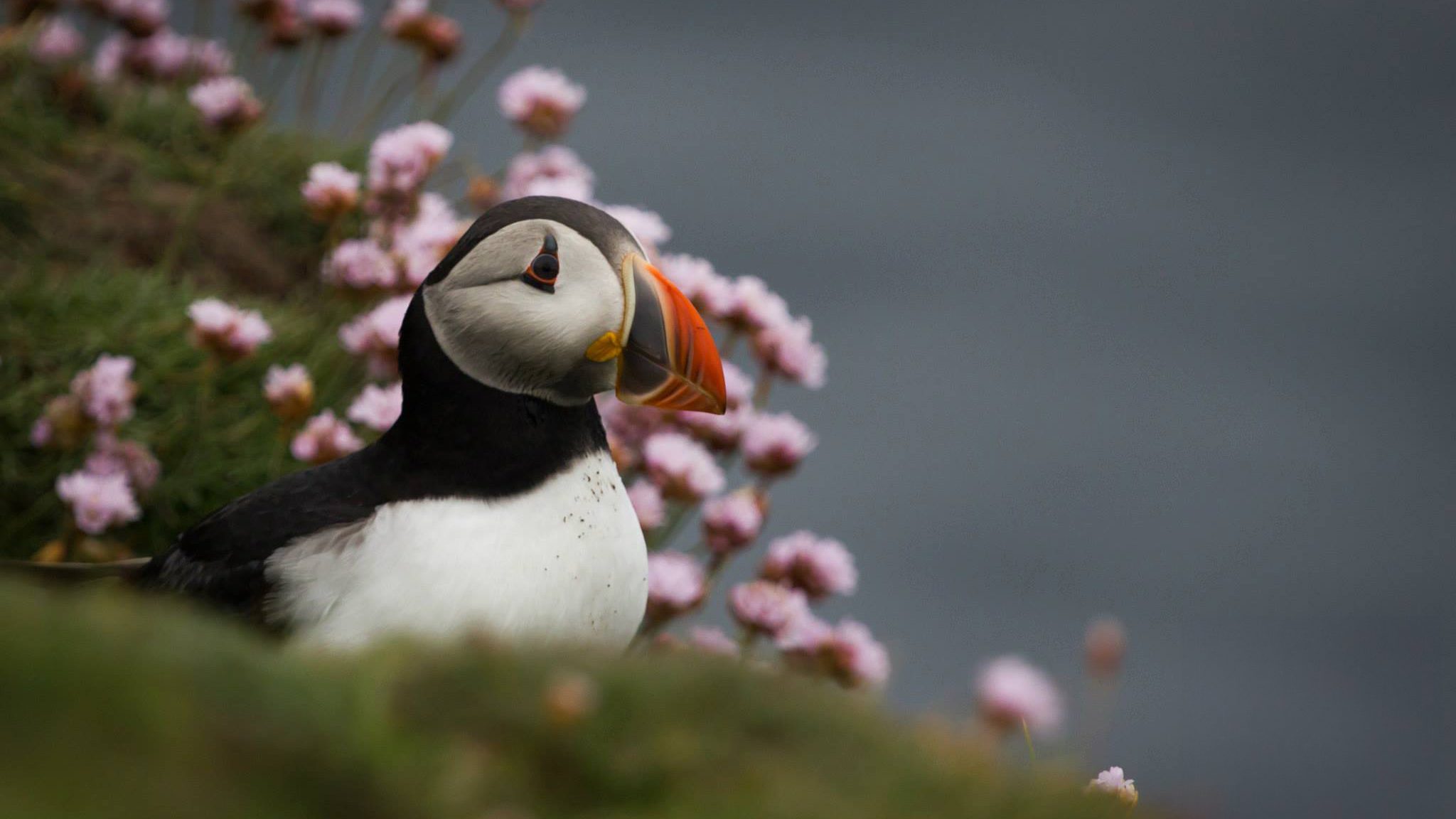
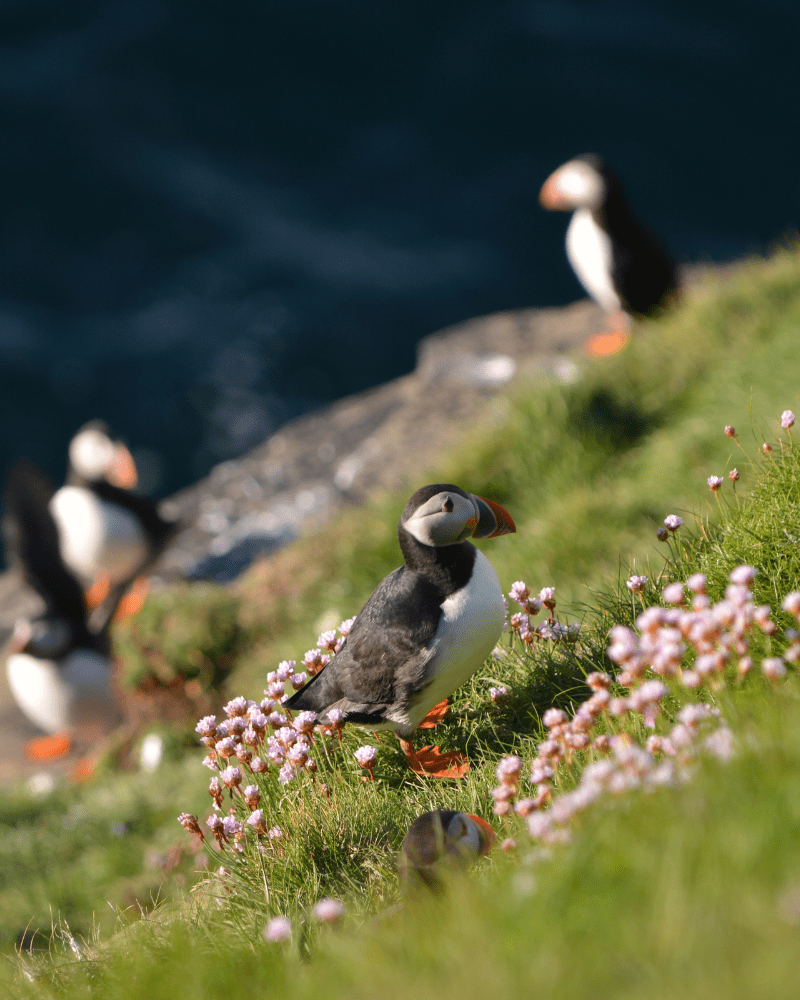
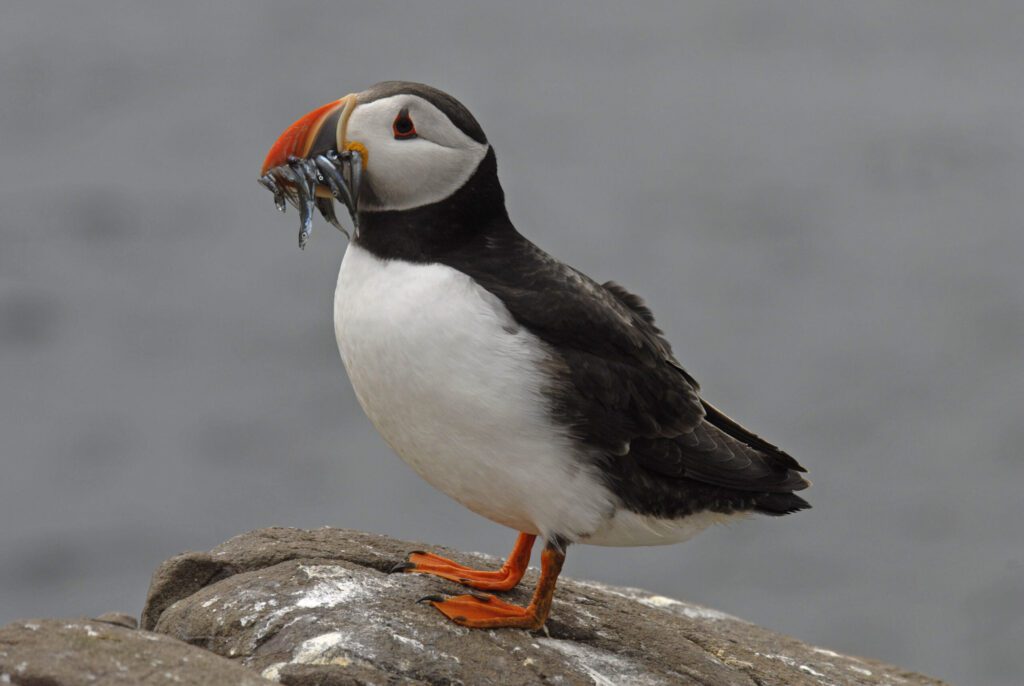
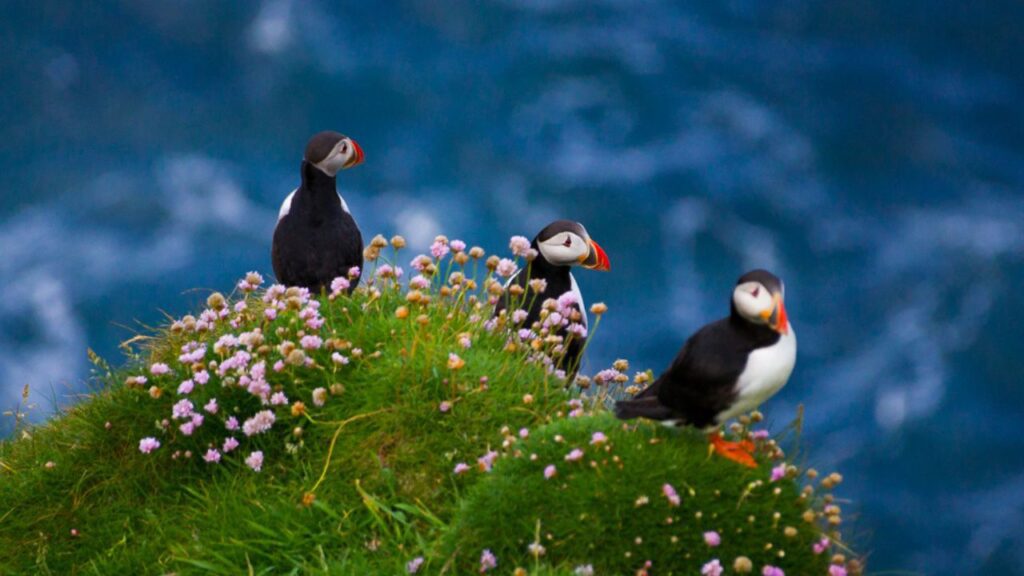
With their vibrant beaks, tuxedo plumage, and adorable round faces, puffins are one of the most loved birds in Scotland. These charismatic seabirds return to the cliffs of Caithness and Sutherland each year between April and August to breed.
There are excellent puffin-viewing sites and boat tours available throughout the region, including Duncansby Head, allowing you to see their comical waddles without disturbing their nests and natural habitat.
Seal Watching in Scotland’s North Highlands
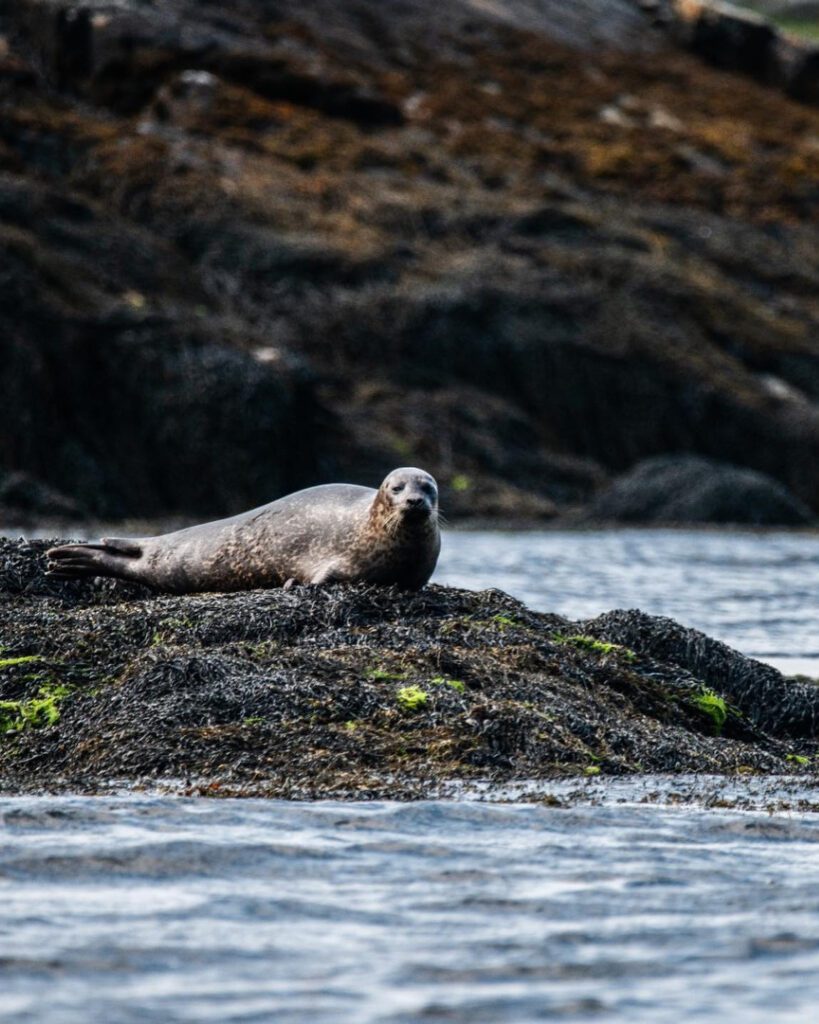
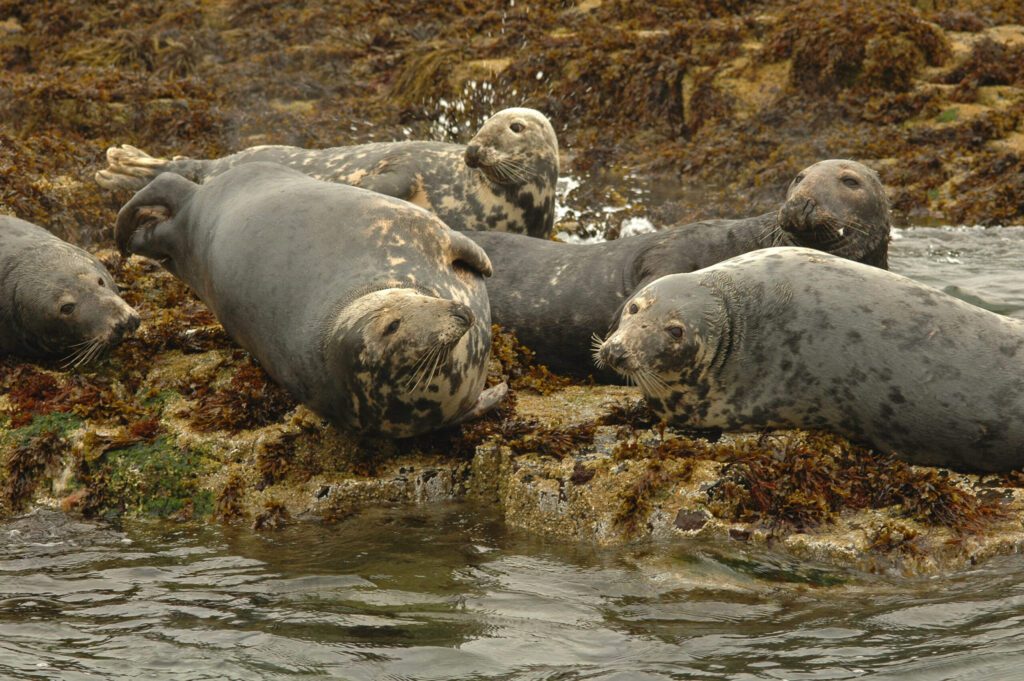
The North Highlands are home to both grey seals and common harbour seals, often seen lounging on rocky outcrops or basking on sandy beaches. Pupping season is June–July for harbour seals and September–December for grey seals, these are the times when colonies are especially active.
A visit to Loch Fleet National Nature Reserve offers the chance to see groups of harbour seals hauled out on the sandbanks at low tide. You can also spot them along the coast, including on the small island in the Thurso River in Thurso, and along the beaches and coast where their curious heads bob up and down as they watch from the water.

Top Tips for Respectful Watching
Always follow the Scottish Marine Wildlife Watching Code. Keep your distance, especially during pupping season and avoid getting too close to haul-out sites to prevent startling seals. Take extra care during pupping season, particularly with off-lead dogs on the shoreline. If you find a seal you think might be in distress or danger, contact the BDMLR Rescue Hotline, and do not approach the animal.
Whales, Dolphins & Porpoises: Best Spots for Marine Mammals
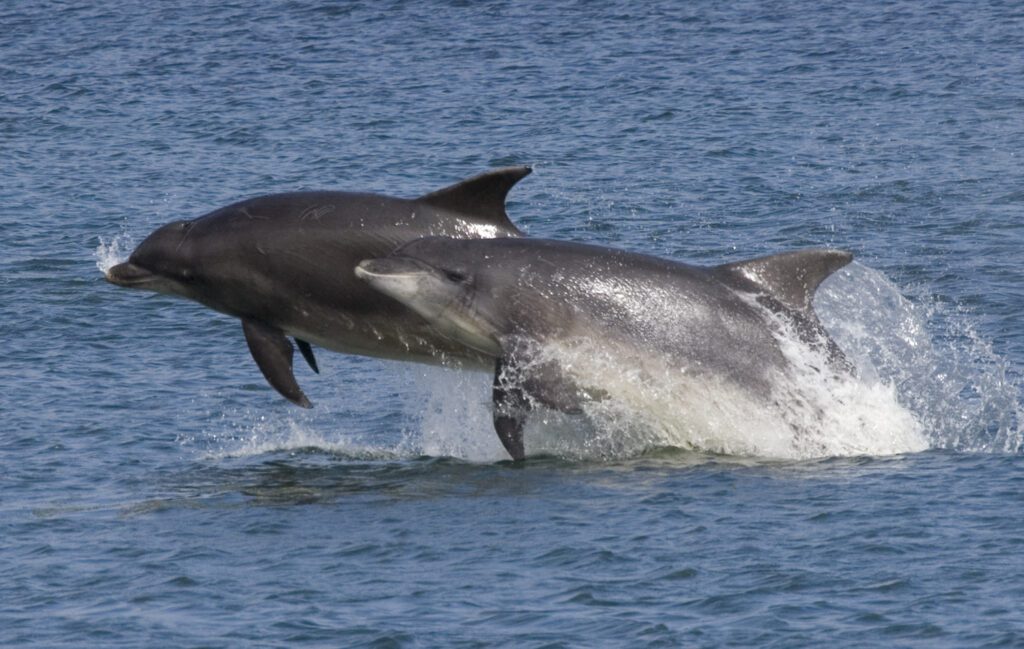
The Scottish coastline is one of Europe’s best destinations for spotting whales, dolphins, and porpoises. The nutrient-rich waters of the North Highlands attract these magnificent marine mammals year-round, offering unforgettable wildlife experiences for visitors.
The Summer months offer the best chance to see them in action. Why not join a wildlife tour, expert guides know the prime locations and times for sightings, ensuring your experience is both safe and respectful to the animals.
Orca Sightings in Scotland: When and Where to Look
Among the most thrilling visitors to Scotland’s northern waters are orca pods. These apex predators grace the coastline between May and September, when warmer seas and abundant prey draw them close to shore. Sightings of orcas along the North Coast are a highlight for wildlife enthusiasts, and each encounter is a reminder of the raw power and beauty of the ocean.
One of the best opportunities to witness these incredible creatures is during Orca Watch, a ten-day event organized by the Sea Watch Foundation. The event focuses on collecting data on whales, dolphins, and porpoises in the waters around Caithness, North Sutherland, Orkney, and Shetland, while offering visitors a chance to participate in guided watches and citizen science projects.
Want to track sightings? Each orca pod has distinctive markings, and you can explore the Scottish Killer Whale Photo Identification Catalogue online to learn more about individual whales and their movements.
Deer and Stags: Scotland’s Highland Royalty
Majestic and regal, deer are a common sight in the Highlands, especially in autumn and winter when they descend into the glens. During the rutting season, you may hear stags roaring as they compete for dominance, a truly unforgettable sound!
The main types of deer found in Caithness and Sutherland are red deer and roe deer, both native to Scotland. Non-native Fallow deer and sika deer are also present, with stable populations across Scotland

If you fancy getting an insight into the nightly activities of deer and stags, you can book a nighttime safari and explore the Dornoch hills with Connell Outdoor Pursuits. Using cutting-edge thermal imaging to track pine martens, wildcats, and deer in their natural habitat.
Safety Advice: As with all wild animals always keep your distance, especially during rutting and stalking seasons (July–February), Follow local signage when hiking. Watch out on the roads, slow down at dawn and dusk, deer are most active and may cross roads unexpectedly. If you see a deer, try to brake safely without swerving and use your hazard lights to warn others. After dark, use your car’s full beams when safe to spot deer eyes, but dim lights to avoid startling them.
Birdwatching Hotspots in Caithness and Sutherland
With breathtaking scenery and a wealth of birding hotspots, Caithness and Sutherland offer rewarding experiences for birdwatchers in every season. There’s always the chance to spot something fascinating, or even rare.
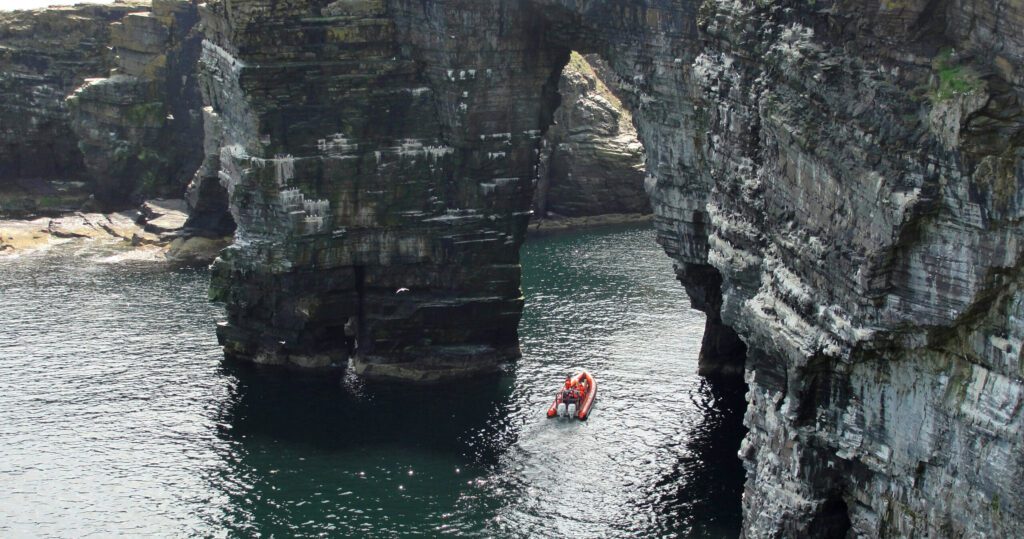
Along the North Highland coastline in the summer months, towering cliffs and sea stacks host thriving seabird colonies. Later in the year, sheltered bays welcome migrating and wintering ducks, while sandy beaches become feeding grounds for numerous wader species.
The North Highlands is home to two internationally important Seabird Colonies, Handa Island Wildlife Reserve and Dunnet Head. During the breeding season (April to August), these cliffs and islands burst with life. The nutrient-rich waters of the North Highlands supply abundant food, making these areas critical for seabird survival. Look out for Puffins, Guillemots, Razorbills, Fulmars, Kittiwakes, Shags and Great Skuas (Bonxies).
The Flow Country is an internationally significant breeding ground for upland birds. Each spring and summer, species from across the UK, and even further afield, arrive to nest in this vast, wild landscape. Among the birds you might encounter are golden plover, skylark, meadow pipit, wheatear, curlew, greenshank, and dunlin.
Birds of prey are also part of the spectacle. The buzzard (Buteo buteo), the UK’s most common raptor, can be seen year-round, often soaring above or perched along roads through the Flow Country. The elusive hen harrier may appear, gliding low over the moorland in search of prey.
The tranquil lochs of the Flow Country (UNESCO World Heritage Site) provide breeding sites for red-throated divers and black-throated divers, which thrive in these remote, peaceful waters during the summer months.
Visit RSPB Forsinard Flows and learn about its unique wildlife through interactive exhibits and or book a guided walk with nature guide Graham Thompson, A Far North Naturalist. Or take to the Water and Book a wildlife boat tour with Caithness Seacoast for breathtaking views of towering sea cliffs and vibrant seabird colonies from the best vantage point, the sea!
Small Blue Butterfly: Scotland’s Tiny Treasure
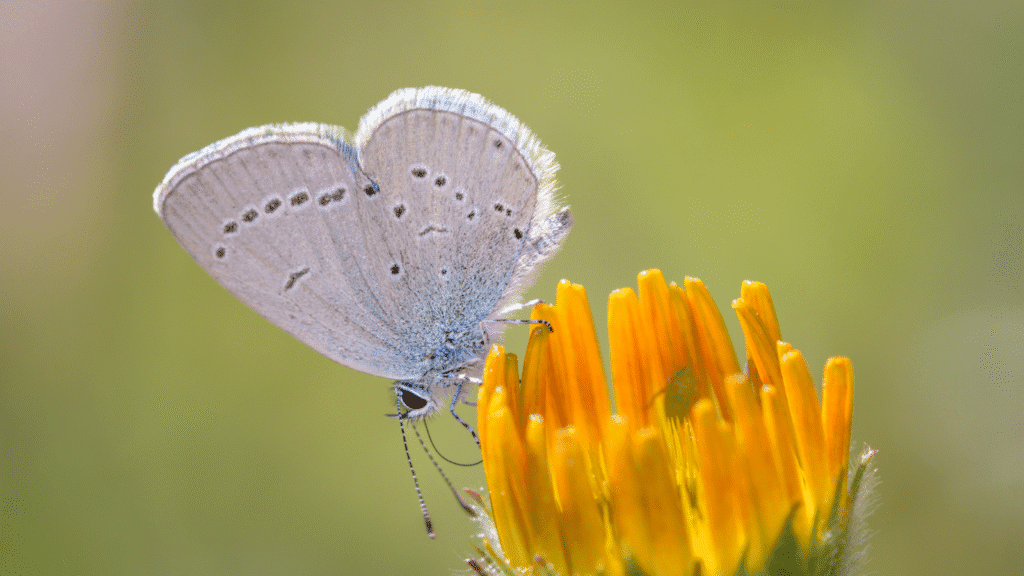
Britain’s smallest butterfly, the Small Blue (Cupido minimus), is a rare sight in Scotland, found mainly along the Caithness and Moray Firth and coastlines.
These delicate butterflies thrive in sunny, sheltered grasslands where their rel pioneering Kidney Vetch grows, the sole food plant for the small blue butterfly’s caterpillars. Their on-wing season is May–June, so early summer the best time to spot them. But with a wingspan of only 2-3cm and delicate smoky coloured wings, you’ll need to keep your eyes peeled! Recent conservation efforts through Species on the Edge have boosted numbers, dune systems and coastal meadows, with record sightings at Castlehill, Dunnet Beach and Dunnet Forrest.
Our Top Tips for Responsible Wildlife Watching in the North Highlands
Whether you’re hiking, kayaking, road-tripping, or simply relaxing and soaking up the views, the North Highlands offer incredible opportunities for unforgettable wildlife encounters.
Here’s how to make the most of your adventure:
- Respect Nature: Help protect the environment by following the Scottish Outdoor Access Code, leave no trace and take all litter away with you.
- Stay Safe: Don’t take unnecessary risks or stray off marked paths. Let someone know your plans and keep your mobile phone charged and with you at all times.
- Be Prepared: Weather in the North Highlands can change quickly. Sturdy footwear, layered clothing, and waterproof gear are essential- even in summer.
- Slow Down: Connecting with nature starts by slowing your own pace, take time to settle in, observe and appreciate the wildlife around you, big and small!
- Book a Tour: Local guides offer everything from tailored walks to unforgettable wildlife experiences, revealing hidden viewpoints and stories often overlooked.
- Bring Your Camera: You never know what you might spot, but avoid drones near wildlife and use zoom lenses instead of approaching animals.
Plan your North Highland Adventure!
Planning a trip to Caithness and Sutherland? Your adventure starts here! Whether you’re booking now or just dreaming, we’ve got all the inspiration you need for your trip to the far north.