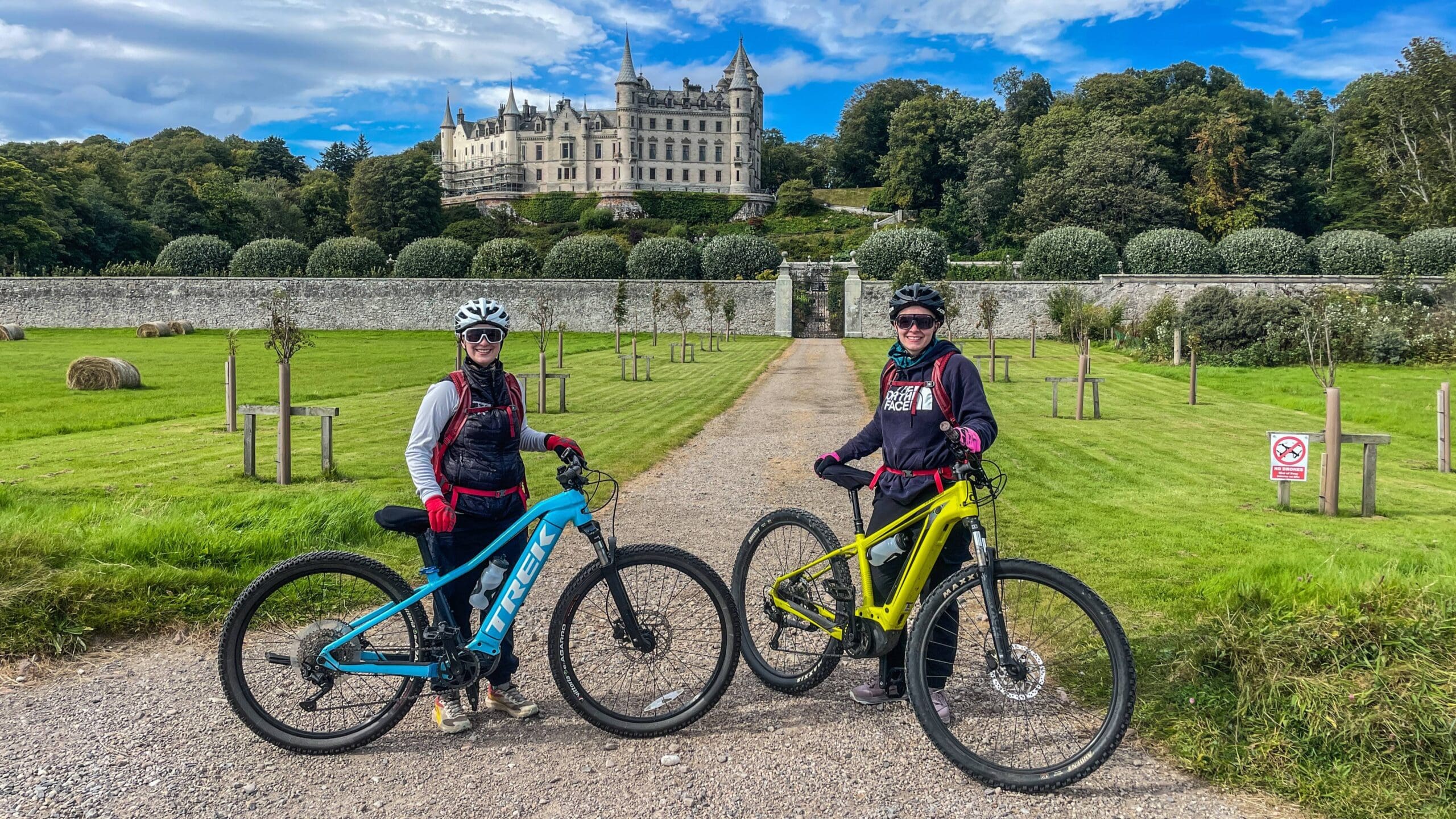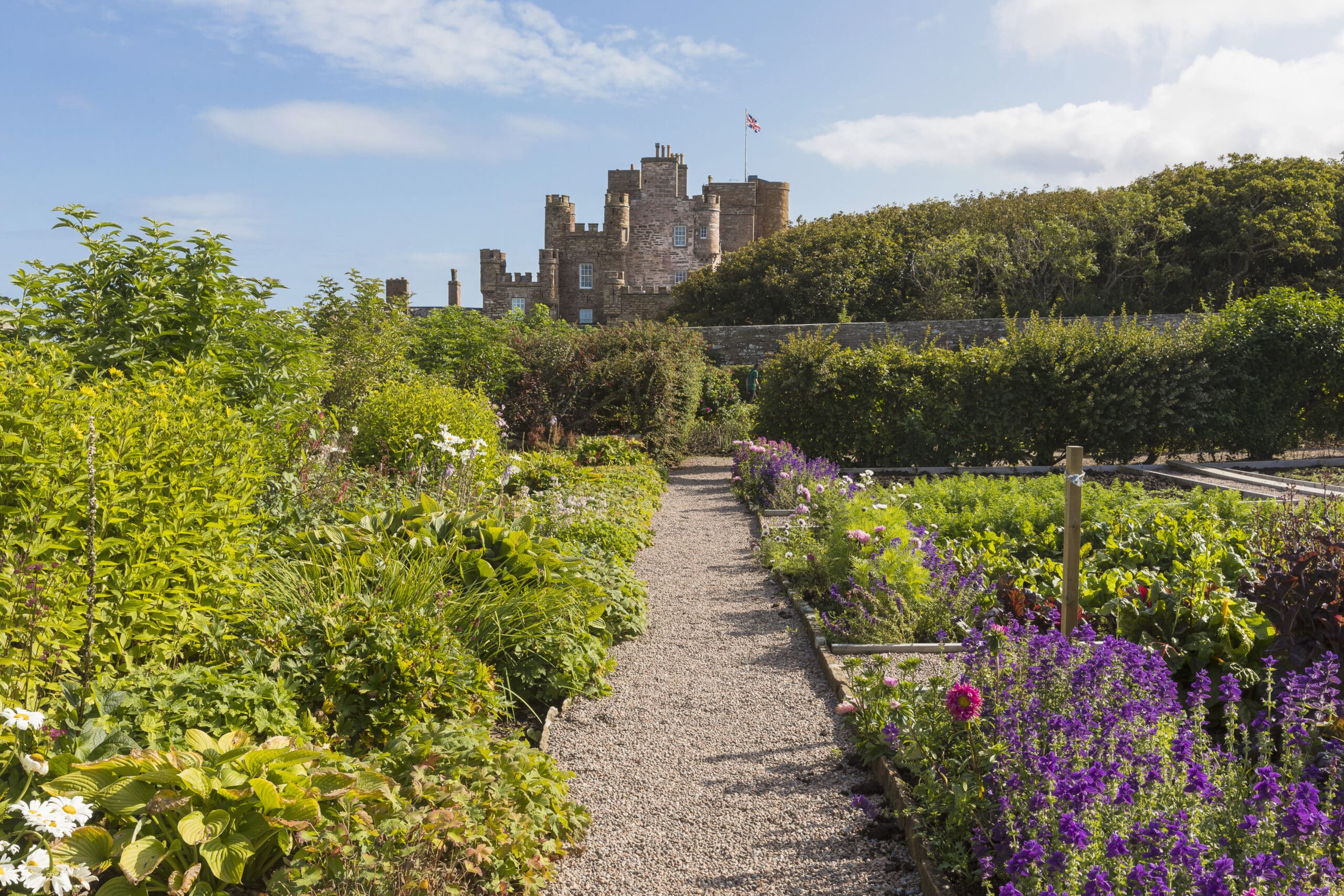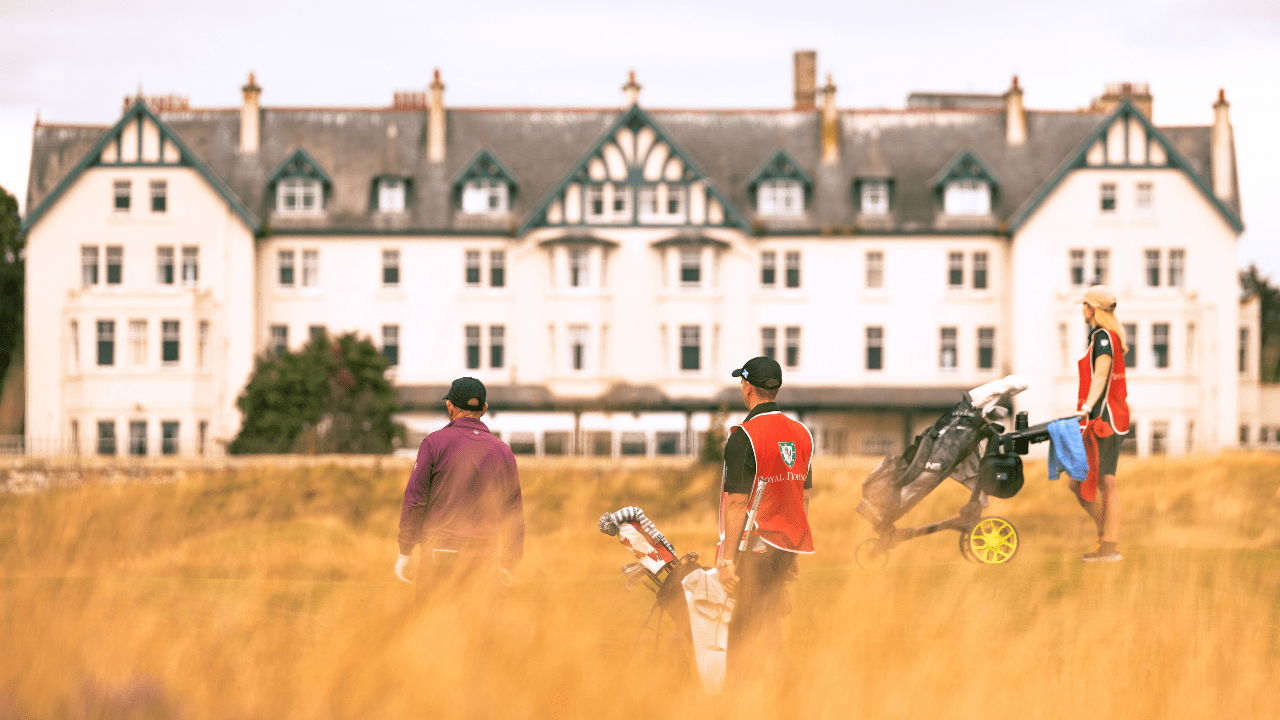
Jeri Cormack, General Manager of the newly-refurbished John O’Groats Mill, grew up in the iconic north coast village. Armed with local knowledge and a love for unhurried journeys, Jeri shares her guide for visitors to Caithness in search of authentic Highland experiences.
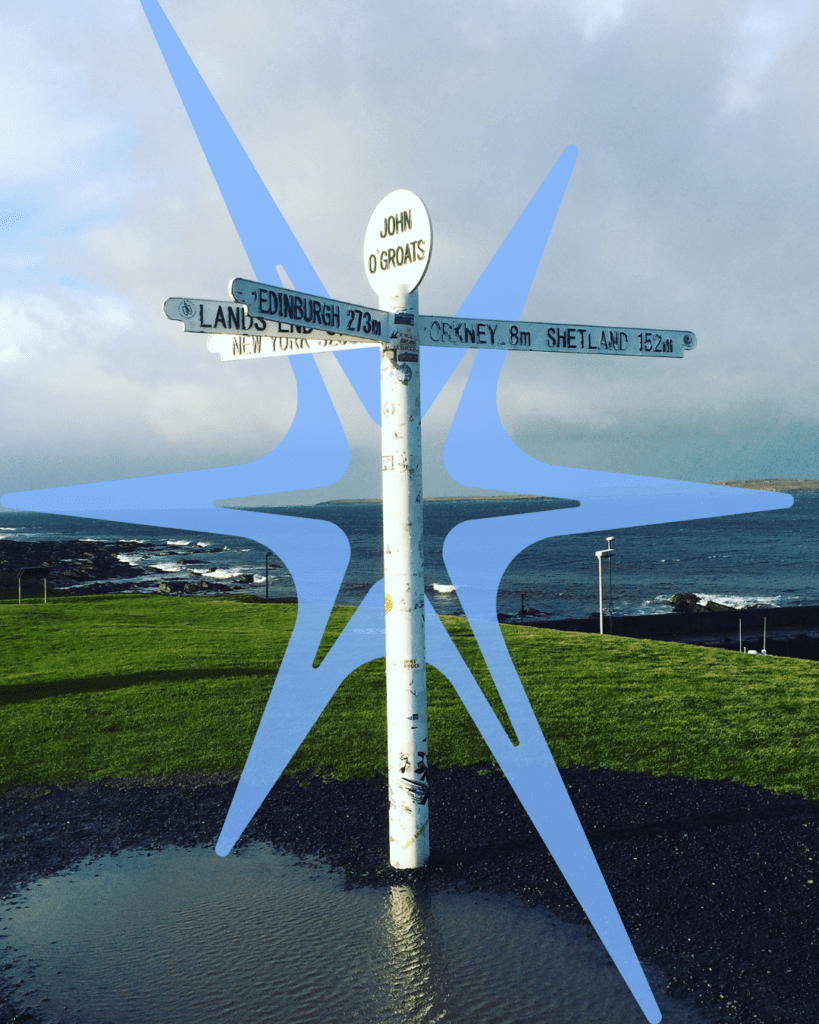
Visitors often arrive in John O’Groats with a picture in mind: coach tours, the famous end-to-end signpost, keyrings, magnets, a quick photo, and then back on the road. For years, that was the story, but today, John O’Groats offers so much more. As someone who grew up here, worked here as a teenager, and now spends every day at the John O’Groats Mill, I’ve seen the transformation unfold slowly and beautifully. What we have now is a place best enjoyed by slowing down – by giving it more than a hurried stop on the North Coast 500, and letting its quieter rhythms show themselves.
Groatie Buckie Hunting on Sanick Beach, A John O’Groats Tradition.
The Victorians understood this long before we rediscovered it. They travelled to the North Highlands to spend real time here, and one of the must-do activities then was walking to Sanick Beach to search for groatie buckies – tiny cowrie shells once believed to bring good luck and prosperity. The tradition hasn’t changed; only the pace of life around it has. It still takes patience, good light, and a willingness to kneel among the shingle until your eyes attune to their subtle shape. Once you find your first, the rest get easier. Even if you find none, you’ve still earned what might be the true reward: arriving at a wild, quiet corner of coastline where you hear the sea at Duncansby, watch seals haul out on rocks, and feel the distance from houses and roads in the air.
Discover Duncansby Stacks, Why the Coastal Path Beats the Car
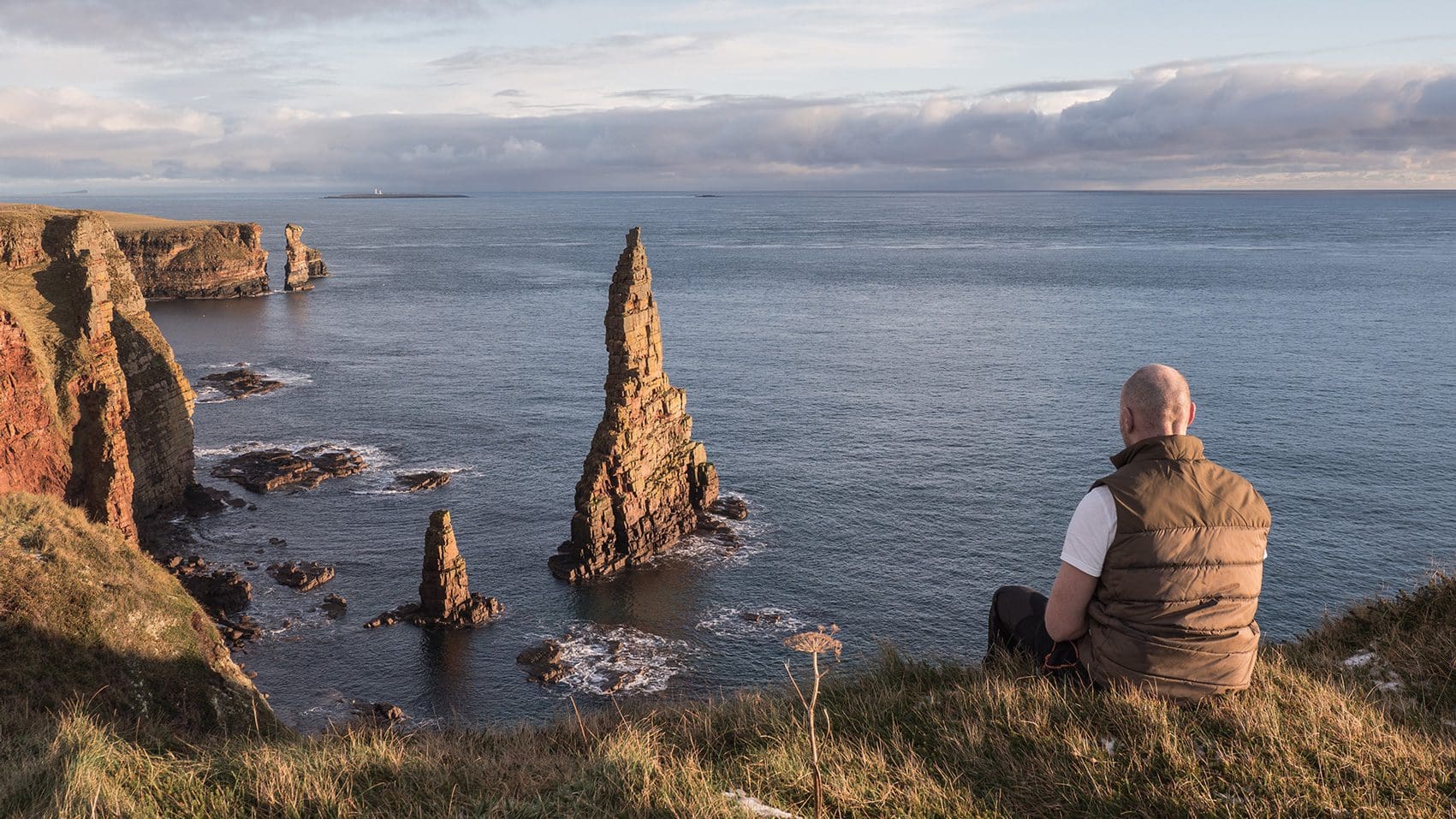
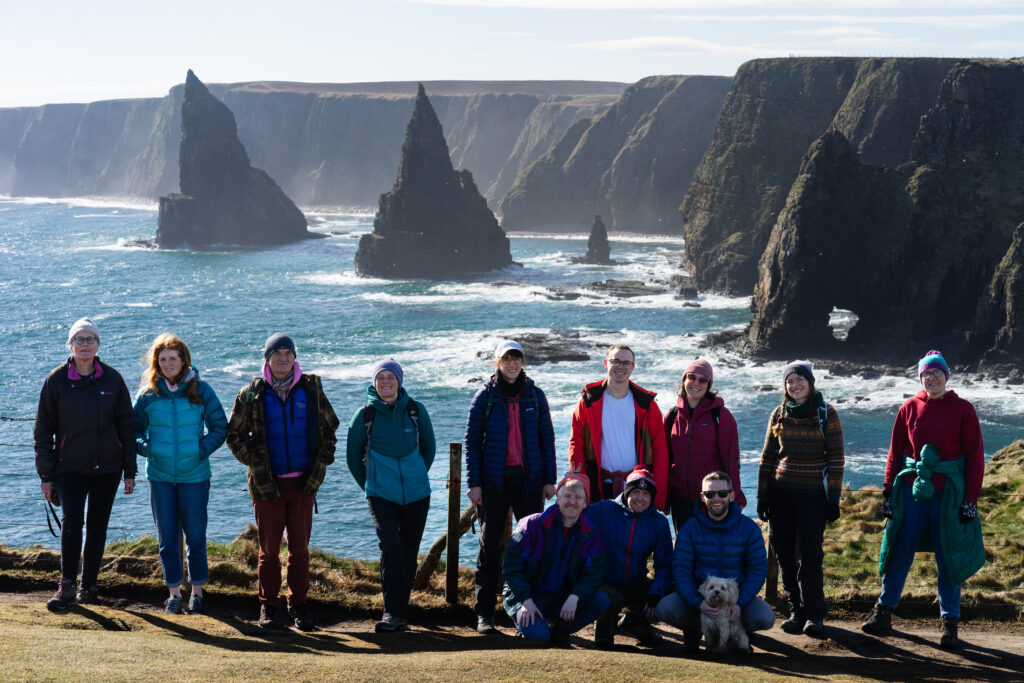
The walk from John O’Groats to the Duncansby Stacks is familiar to many, but most people drive the bumpy road to the lighthouse, hurry up the hill, take a few photographs, and leave again. The slower route is better. From the village, follow the coastal path east, curving gradually towards the lighthouse before descending to the stacks. Photographers I speak to always say the best view isn’t from the lighthouse side at all, but from the far side, south of the stacks, where the shapes and colours line up differently. In the off-season, or if you’re willing to get up early, you can watch the sun rise behind them. It’s one of those rewards that only reveals itself to people who give the place a morning rather than a moment.
Spaces to linger, old and new: Relax at John O’Groats Mill and Nearby Attractions
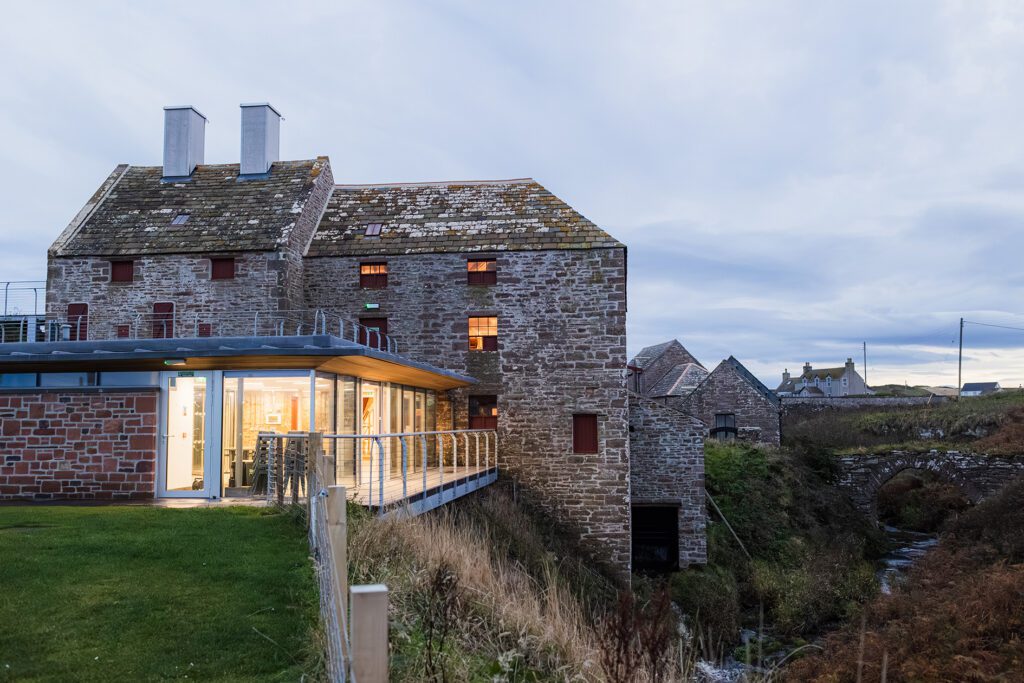
If you turn west instead of east, you reach the John o’Groats Mill. It is not only a museum and heritage site, but a place to linger without agenda. Anyone is welcome to sit in the reception area with a book, laptop or sketchbook, listening to the burn while the mill machinery turns. As much as I enjoy working here, I often think that even if I didn’t, I’d still come for the peace of it. We encourage people to treat it the way folk in cities use cafés: spread out a little, take your time, stay as long as you like.
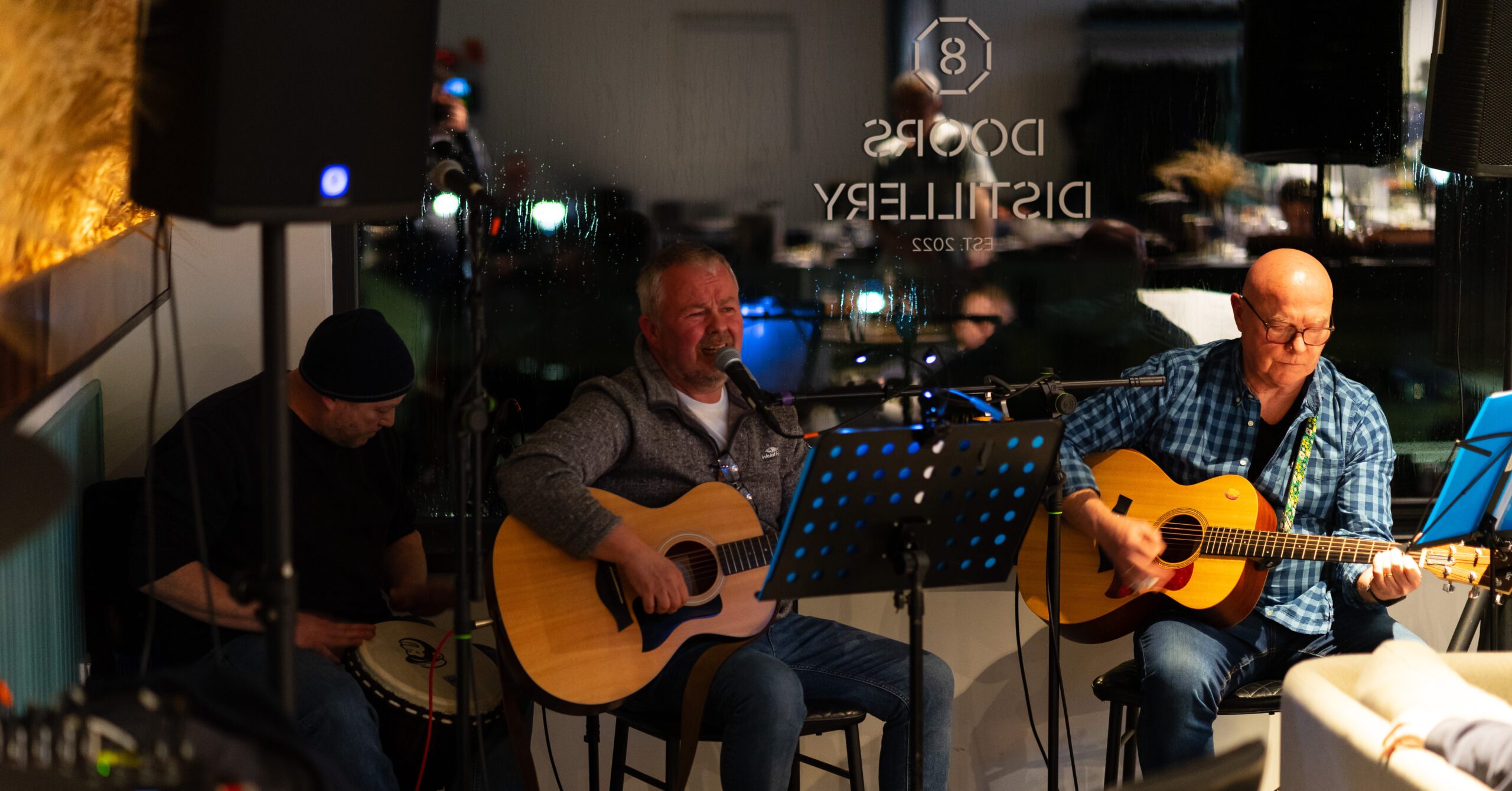
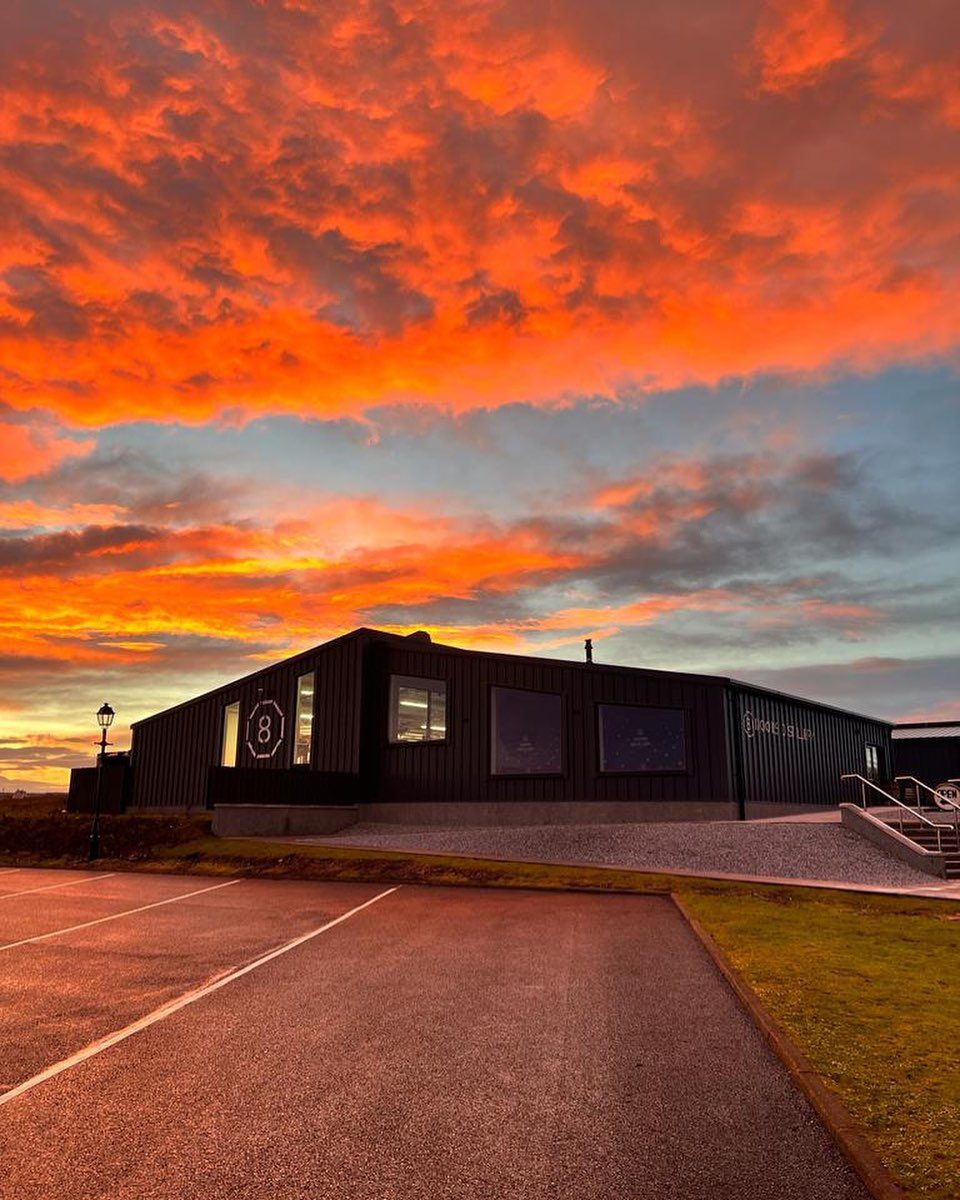
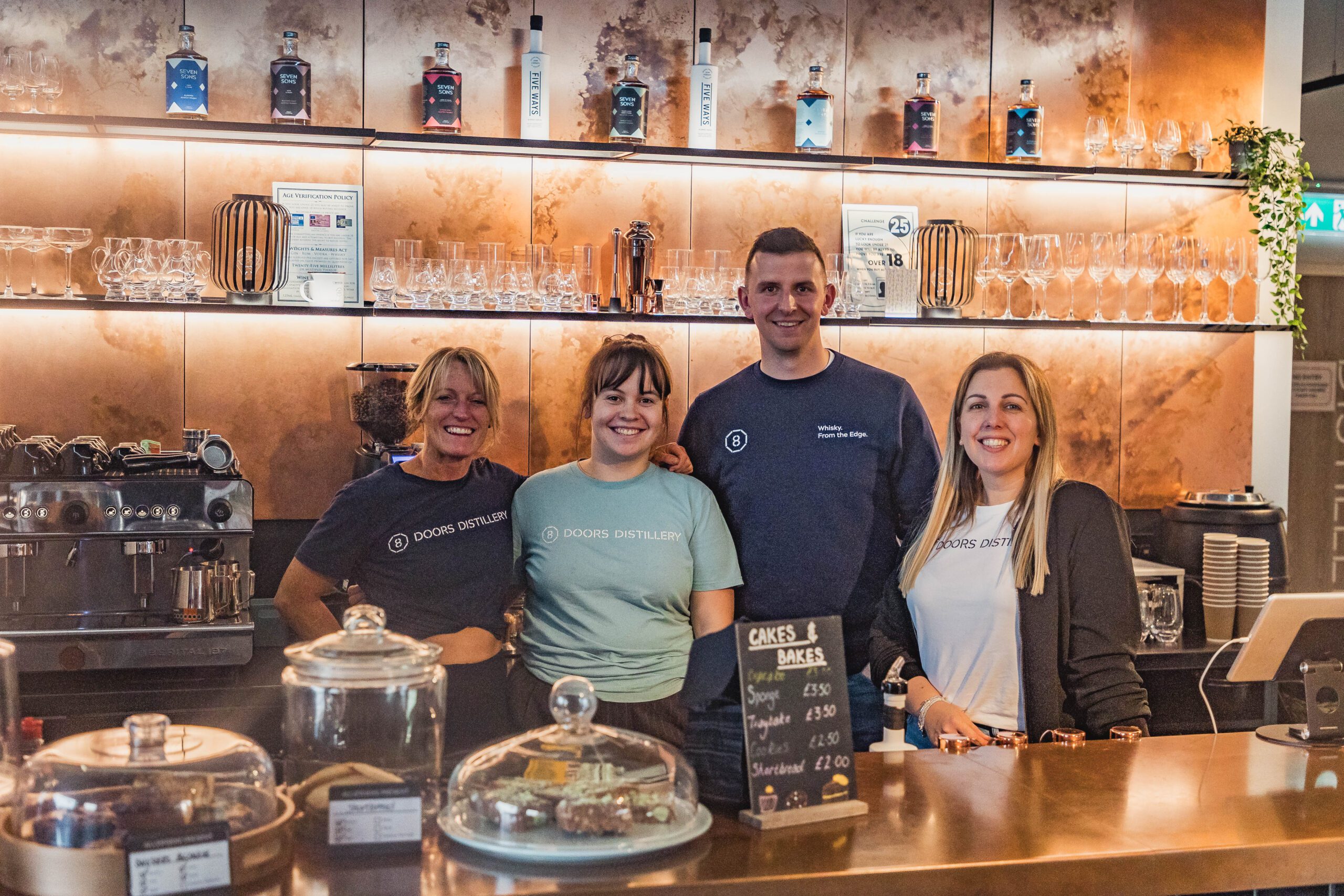
This spirit of lingering has taken root across the village. The Natural Retreats chalets and self-catering apartments have changed visitor habits; people wander out for breakfast, find their way to the Seaview Hotel for dinner, and end up in the John O’Groats brewery afterward. 8 Doors Distillery is perfect during the day for a tour or a quiet seat by the fire, and I know several locals who use it as a writing spot.

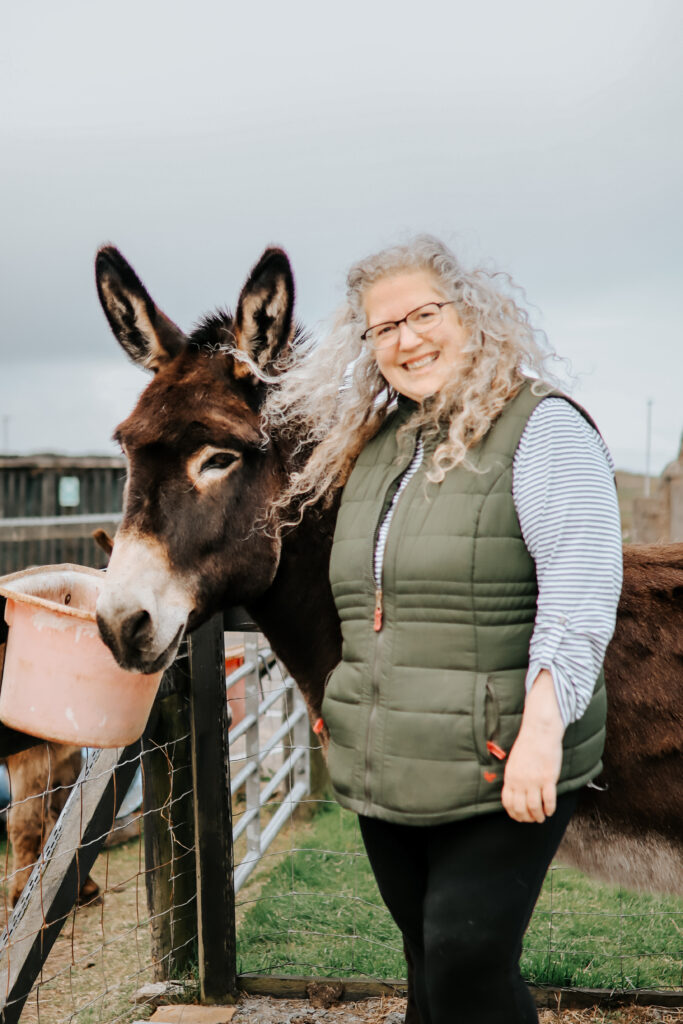
Puffin Croft is another place made for slow time. You can’t rush through it. Visitors, especially families and anyone far from their own pets, can spend hours feeding animals and speaking with the owner, who tells the story of this landscape with clarity and affection.
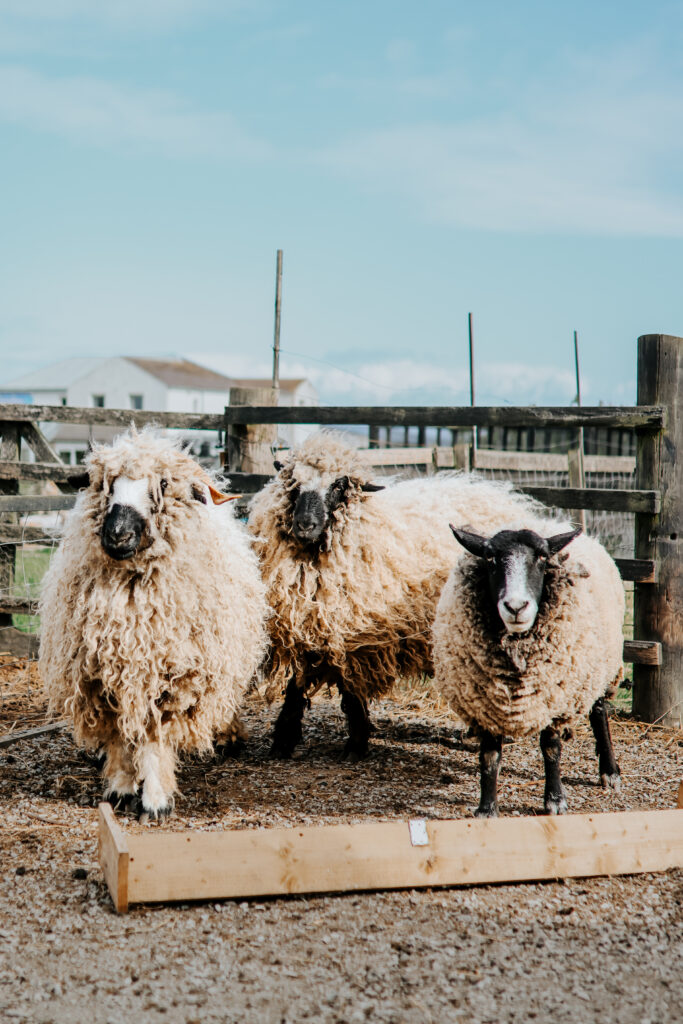
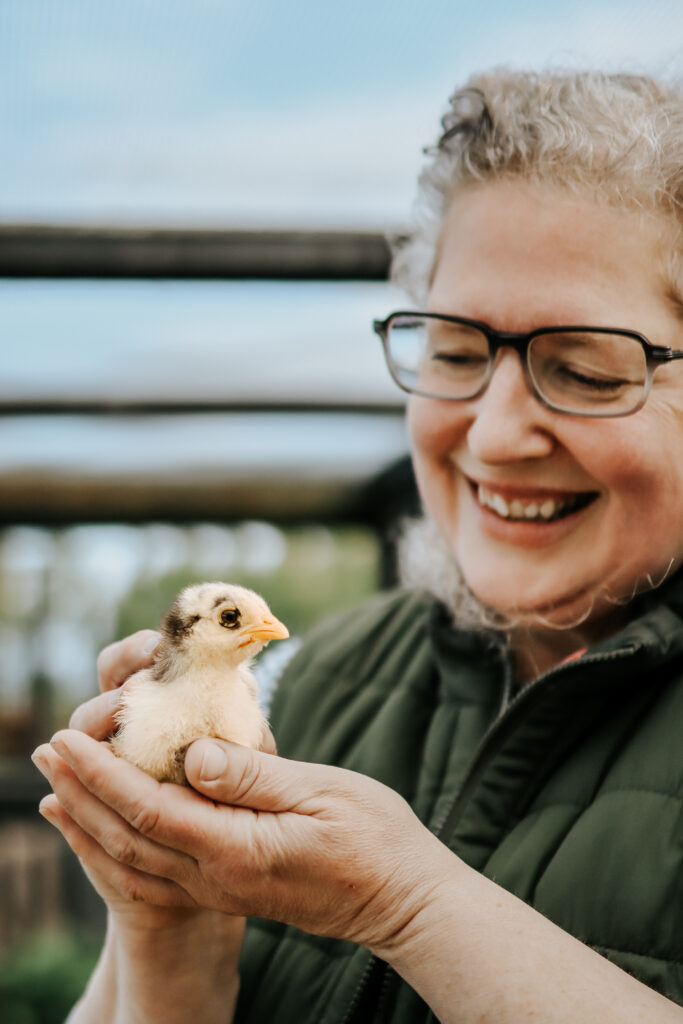
Abandon the car and discover the magic on foot
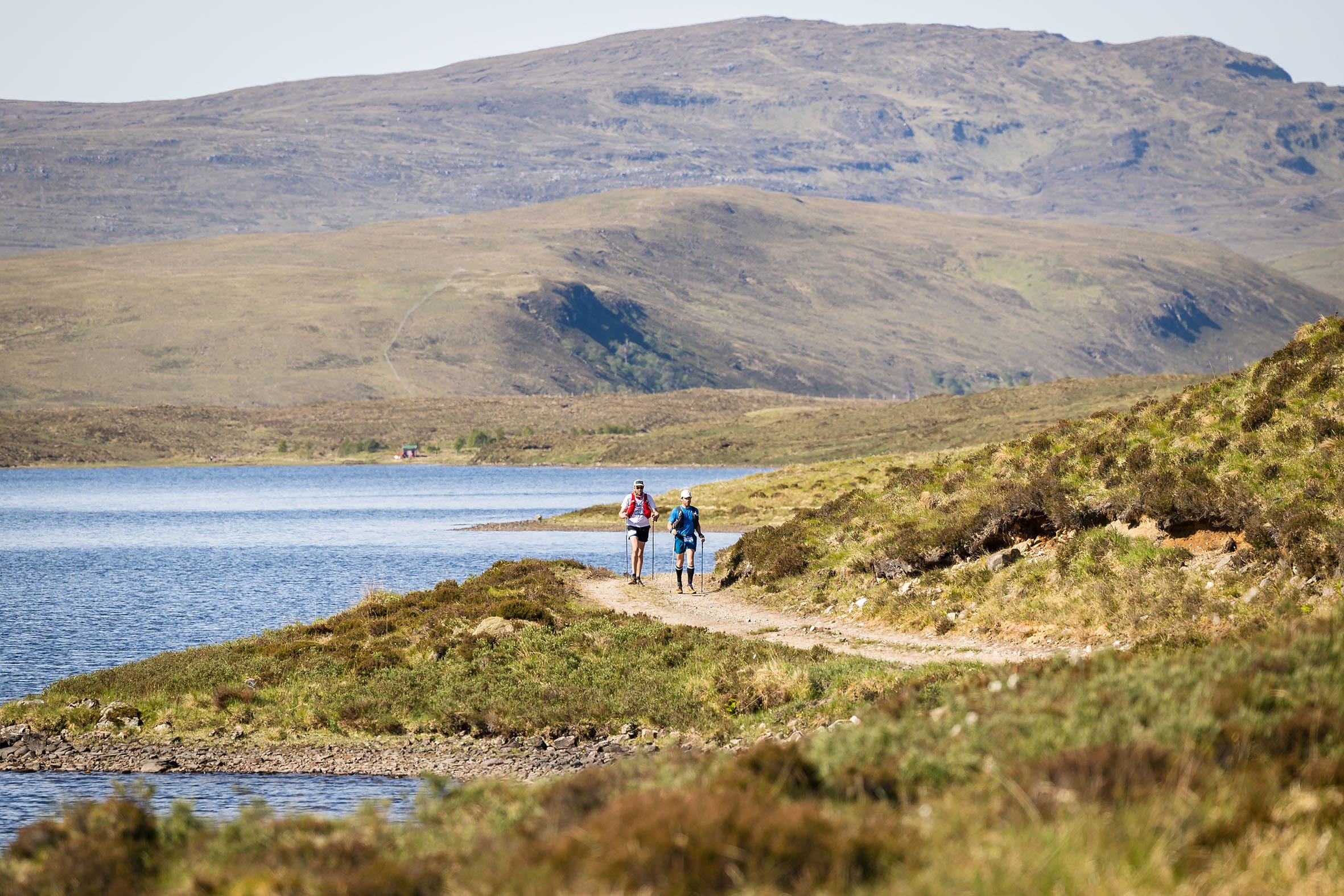
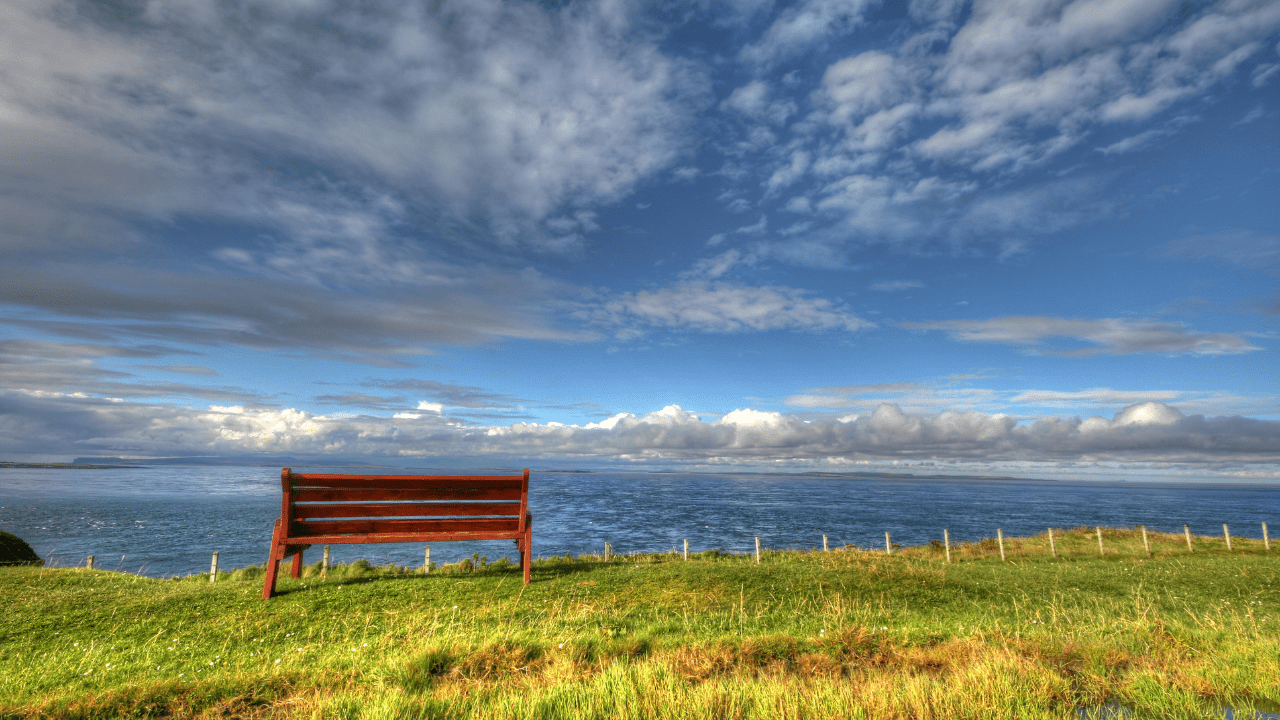
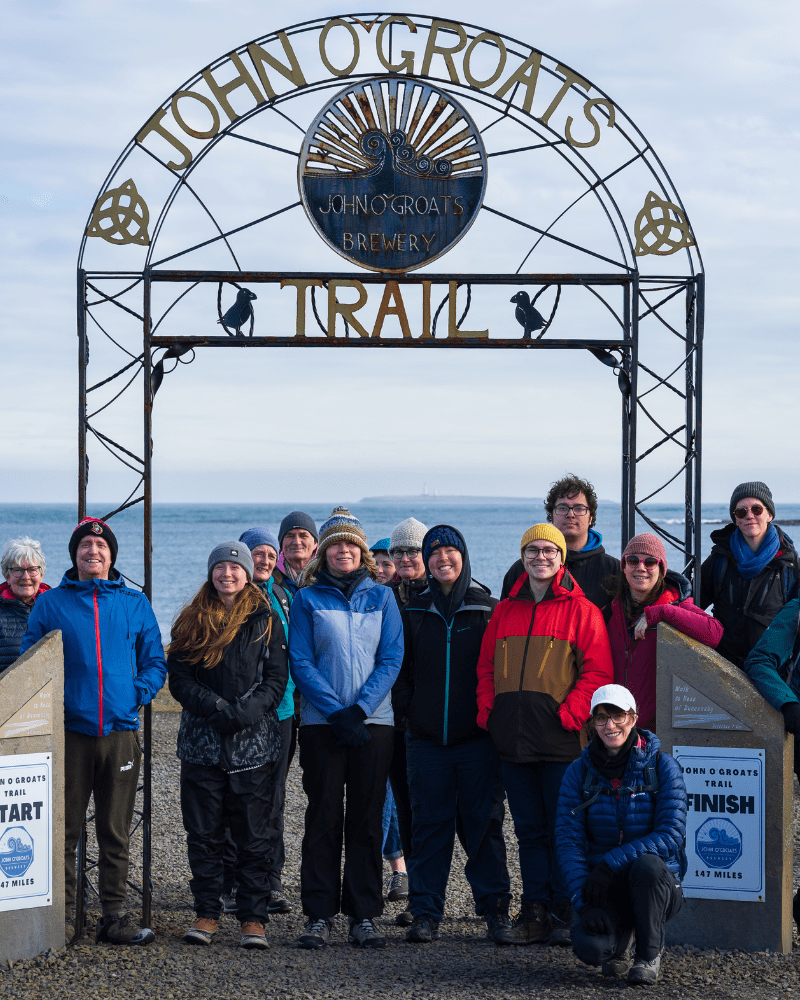
Walking is a defining feature of the area. The John O’Groats Trail south to Inverness, and the westward extensions along the coast, has shown people that you don’t have to stay near the car. You can walk for miles and watch the view of Orkney shift dramatically every couple of miles – new angles, new colours, new weather. Even short sections of the Trail reveal details you’d miss otherwise: stoats darting through stone walls, an otter in the harbour eating crabs at sunset, or the sudden appearance of a hen harrier over the fields.
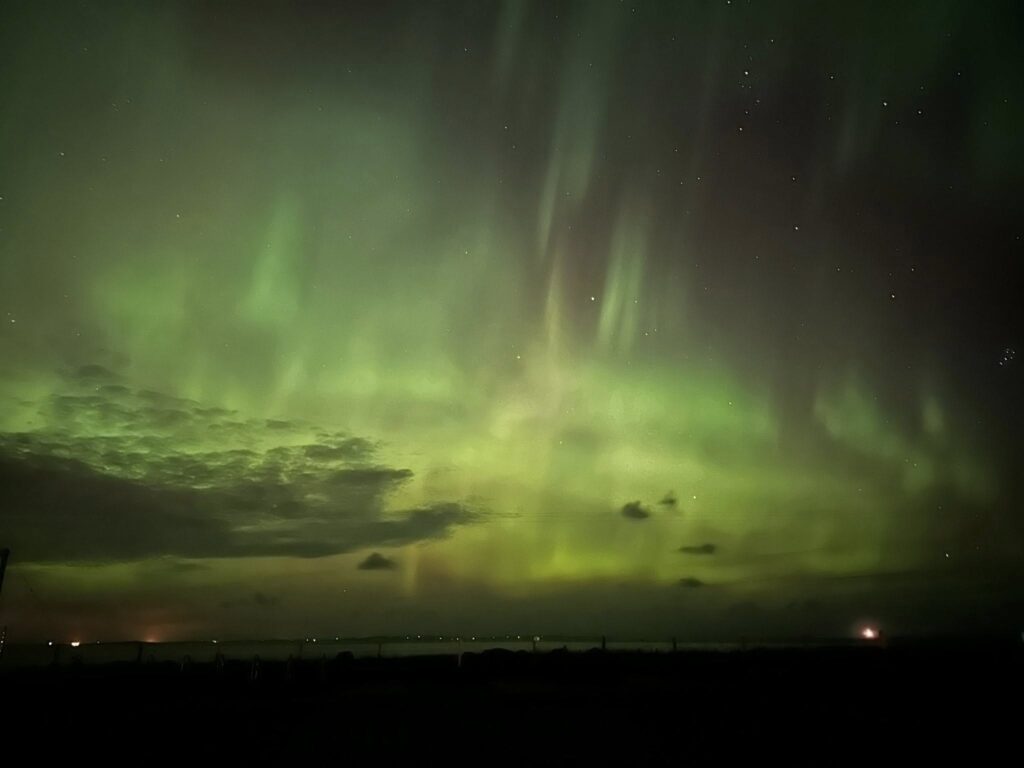
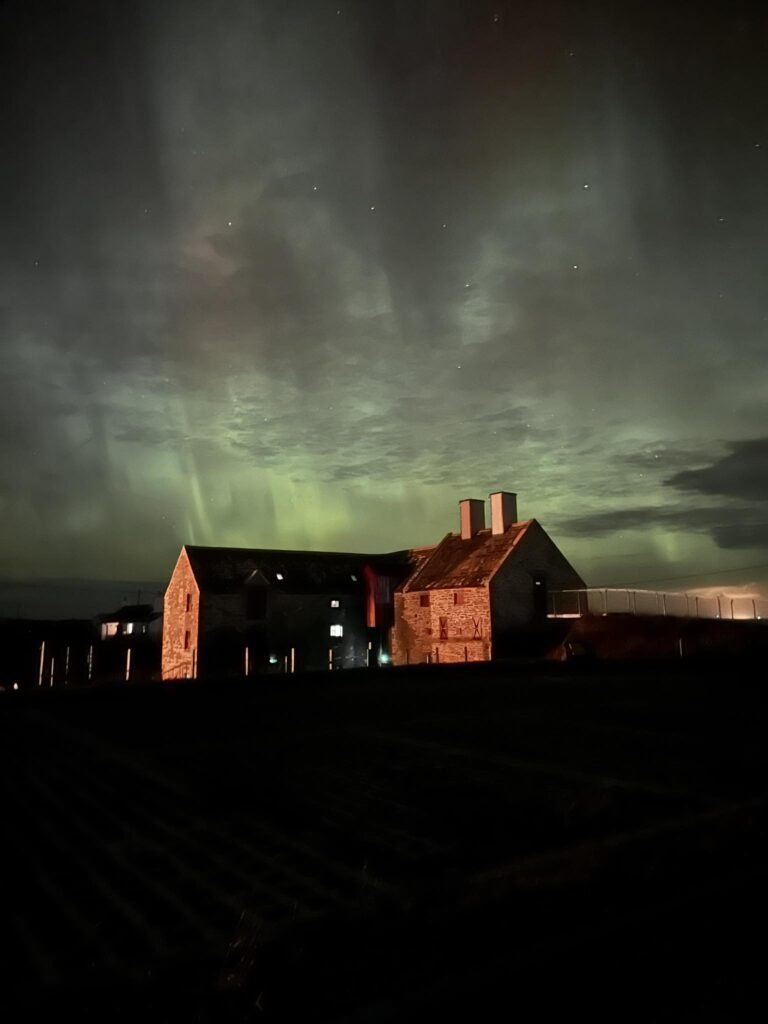
Those who stay long enough sometimes catch the Northern Lights. In recent years they’ve been strong, even visible from village gardens. For many visitors, they’re a bucket-list sight. Even locals still stop to look, regardless of how many times they’ve seen them.
Getting away from the NC500 rush creates space in your head. On foot, you start to notice what’s actually around you: the seabirds on the stacks, the changes in the tide, the sound of the burn, the simple pleasure of sitting somewhere warm with a notebook.
John O’Groats isn’t a place you understand in a single stop. It reveals itself the longer you stay, the quieter you move, and the more curious you become.
John O’Groats Mill is a not-for-profit heritage visitor attraction and community venue, housed in one of Scotland’s last working watermills. The Mill welcomes visitors from May through October and hosts community events and family activities year-round. For up-to-date visitor information, please visit the official John O’Groats website and Facebook Page.
Plan your North Highland Adventure!
Planning a trip to Caithness and Sutherland? Your adventure starts here! Whether you’re booking now or just dreaming, we’ve got all the inspiration you need for your trip to the far north.