THINGS TO DO

Landmarks and Attractions in the North Highlands

From dramatic natural landscapes to enchanting castles, the North Highlands of Scotland offer a unique blend of rugged beauty, rich history, and cultural gems waiting to be explored. With world-class visitor attractions, unforgettable coastal scenery, and authentic Highland experiences, holidays in the North Highlands promise adventure, discovery, and lasting memories.

Dunrobin Castle, viewed from the gardens, a fountain in the forground, the castle overlooking the gardens. In Sutherland, Scotland. Attractions and landmarks.
Dunrobin Castle, image by Kirsty McNamara
The interior of Dunrobin Castle, a small table with framed pictures and flowers. Attractions and landmarks.
Dunrobin Castle interior, image by Niamh Ross

Fairytale Splendor with cliff top views!

The fairytale-esque Dunrobin Castle is one of the most breathtaking sights and a popular stop along the North Coast 500. Perched on cliffs overlooking the North Sea just outside Golspie, it is the most northerly of Scotland’s great houses and the largest in the North Highlands.

With its towering conical spires, elegant French château-style architecture, and exquisite formal gardens, Dunrobin has enchanted visitors for centuries. As one of Britain’s oldest continuously inhabited homes, dating back to the early 1300s, it has served as the historic residence of the Earls and later the Dukes of Sutherland.

Guests can step back in time with a self-guided tour through the house, enjoy a leisurely afternoon exploring the gardens and museum, and marvel at the magnificent Falconry Display. The experience also offers insight into the rich culture of the Scottish Highlands, including the Sutherland family’s legacy and global connections.

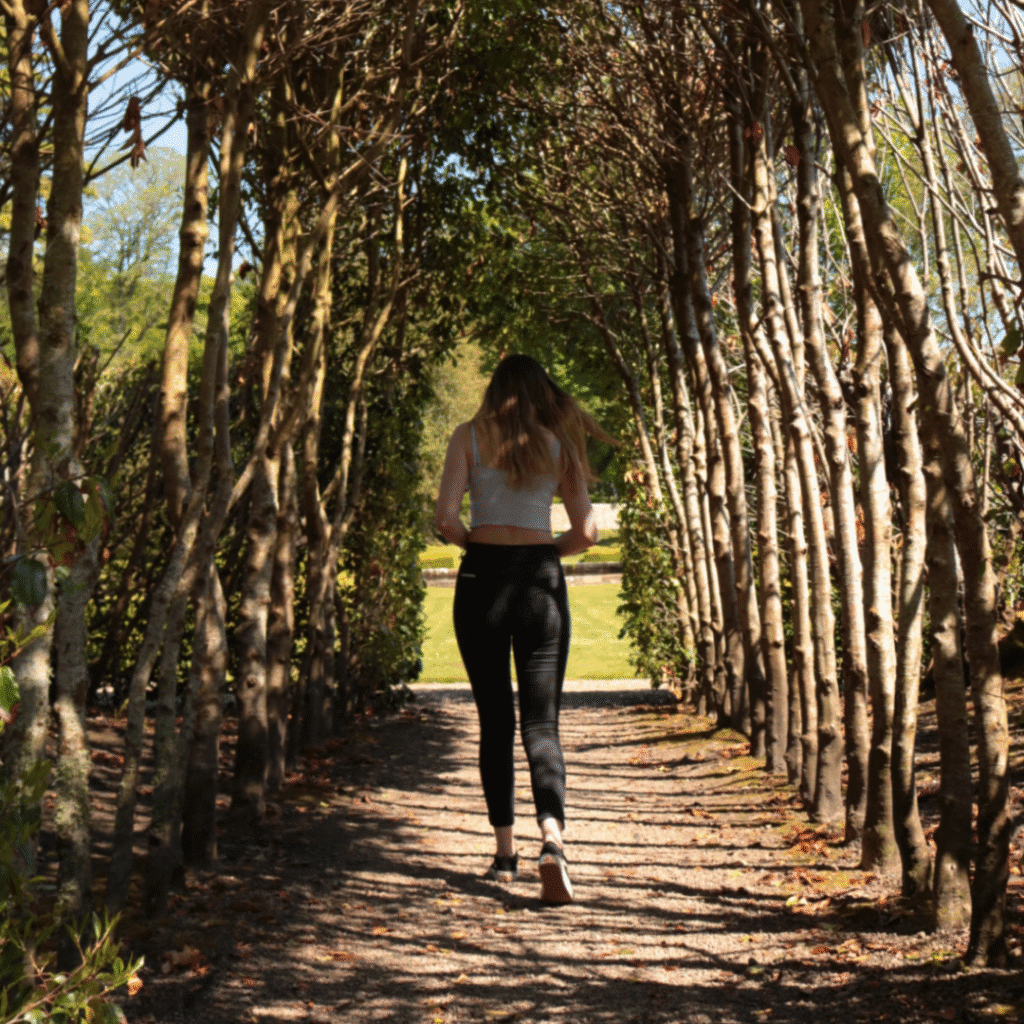
A woman walks through an archway of trees in Dunrobin Castle Gardens, Sutherland, Scotland. Attractions and landmarks.
Dunrobin Castle Gardens, image by Kirsty McNamara

A landscape punctuated with breathtaking landmarks and attractions, waiting for you to explore

Image by Stewart Yates, Assynt Fly Fishing

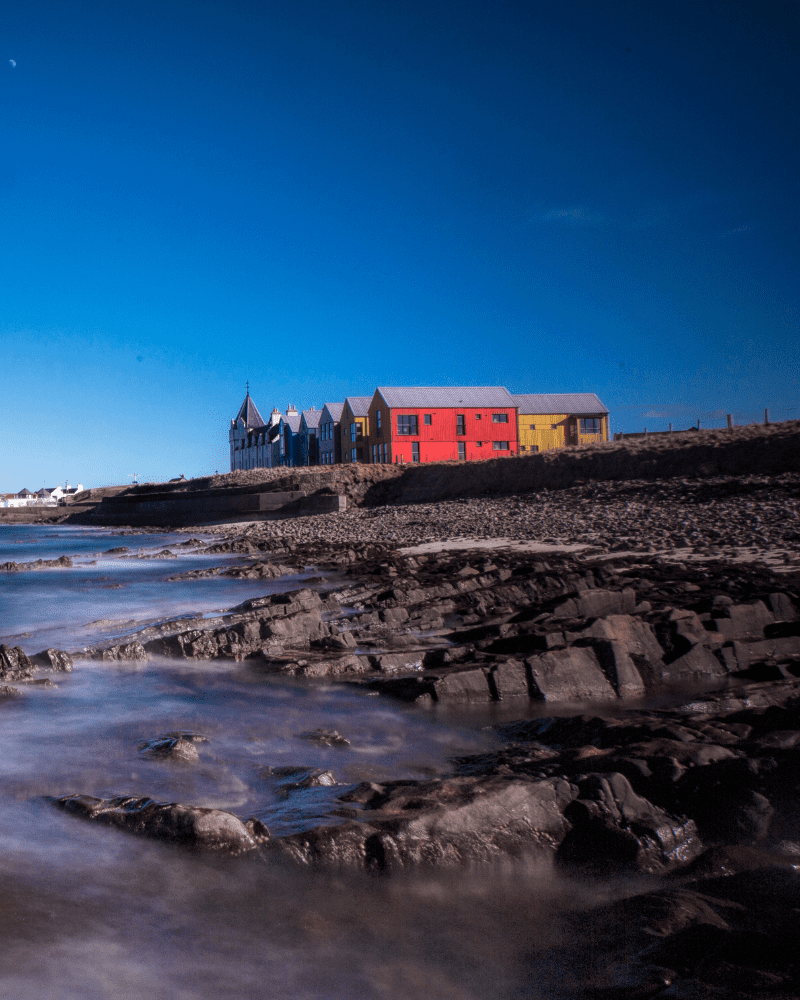
The Inn at John O'Groats, a array of colourful buildings viewed from the beach, with a clear blue sky. Attractions and landmarks.
John O'Groats, image by John Baikie

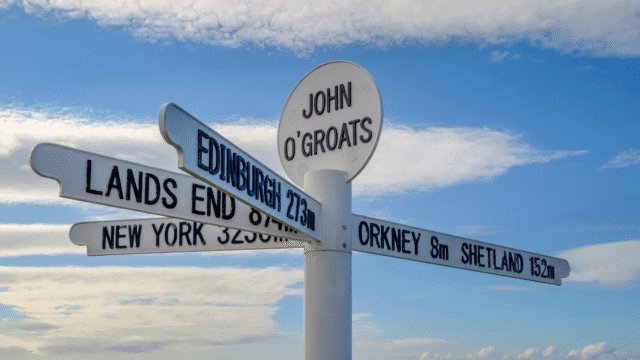
One of the most famous landmarks in Caithness has to be John O’Groats. A visit to the North Highlands almost isn’t complete without snapping a photo at the iconic John O’Groats signpost, which marks one end of the longest distance between two inhabited points on mainland Britain—the legendary journey between John O’Groats and Land’s End. But don’t worry, you don’t need to have completed the full trek to enjoy taking a picture!

A trip to John O’Groats offers much more than just a photo opportunity. The vibrant village is home to independent shops, a post office, a brewery and pub, a distillery, cafés, a petting farm, and a variety of places to stay. Scenic walks lead you through some of the UK’s best wildlife-watching spots, where you might see puffins, seabirds, seals, and even the occasional passing orca.

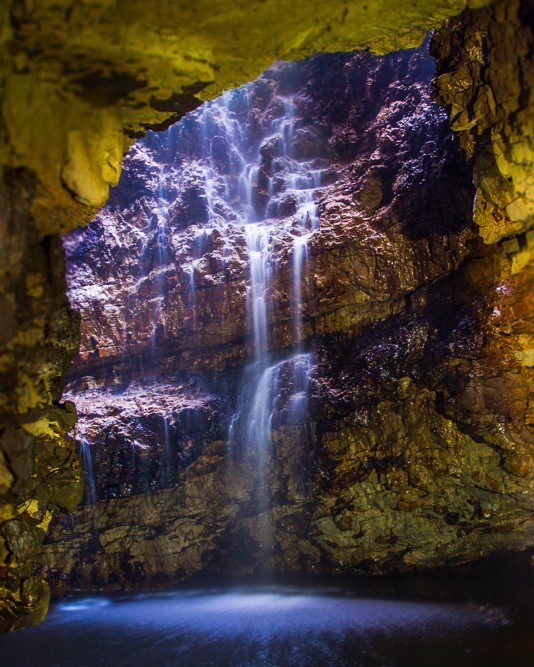
Just a short distance from the village of Durness, Smoo Cave is an unforgettable highlight along the North Coast 500. It is renowned for having one of the largest and most dramatic cave entrances in the UK, with a waterfall cascading into the cave’s central chamber.

A favourite stop for NC500 travellers to the North Highlands, visitors can follow a wooden walkway into the cave to reach the viewing platform or book a seasonal guided tours from April to October, with a short boat ride into the deeper chambers, delving into the cave’s rich geology, ancient history, and local legends.

An internal view of Smoo Cave in Sutherland, Scotland. Water falls down over a moss covered cave wall. Attractions and landmarks.
Smoo Cave, Sutherland. Image by Maciej Winiarczyk
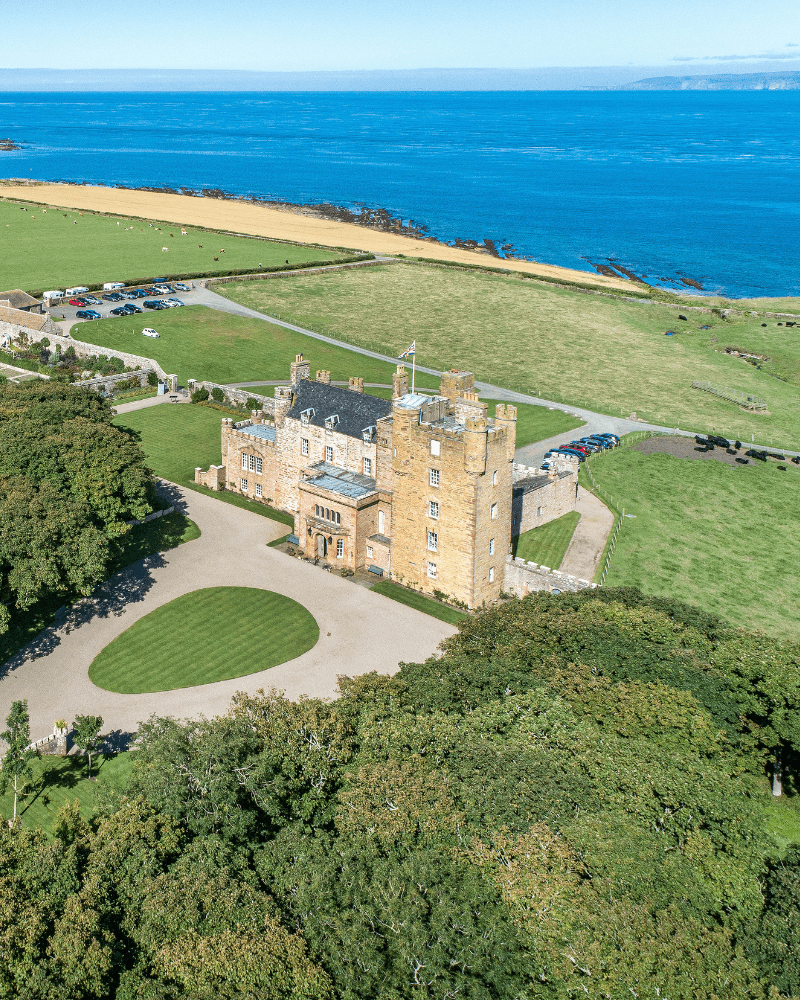
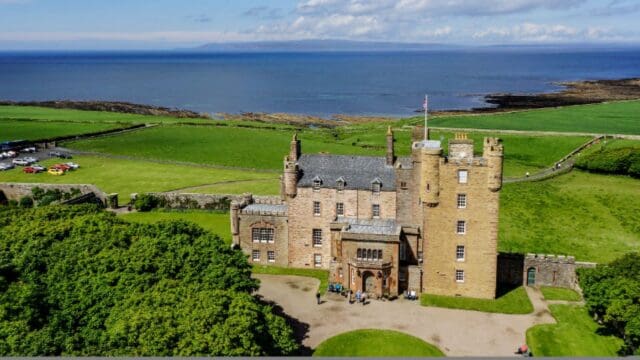
Castle of Mey in aerial view, in Caithness, Scotland. Attractions and landmarks.
Castle of Mey, image by Angus Mackay

The Queen Mother’s love affair with The Castle & Gardens of Mey began in 1952, during a period of mourning following the death of her husband, King George VI. She lovingly restored the castle and designed the beautiful gardens that visitors can still enjoy today, spending nearly half a century of happy summers at Mey.

Now a jewel in the crown of the North Highlands, The Castle & Gardens of Mey offers a glimpse into the Queen Mother’s life. Guests can tour the main rooms of the castle and explore the charming walled garden. On-site, there’s also an Animal Centre featuring rare breeds of sheep, goats, piglets, ducks, chickens, and Alice the donkey. Visitors can browse the gift shop and relax in the tearoom, which serves fresh, locally sourced produce and, on clear days, boasts stunning views across to Orkney.

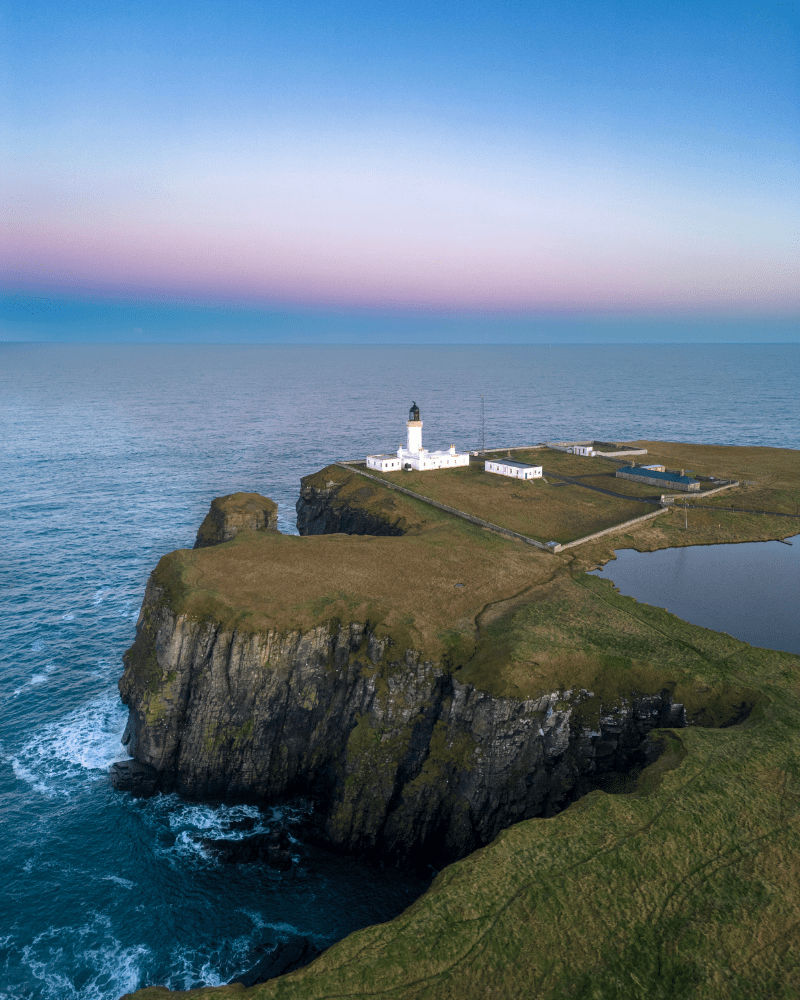
At the far northern edge of Scotland lies Cape Wrath, the most north-westerly point on mainland Britain. This wild and remote headland is both beautiful and challenging, but for those who visit it is an unforgettable experience.

Renowned for its dramatic beauty and windswept terrain, Cape Wrath is a favourite among adventurous walkers and cyclists, drawn to its demanding coastal paths and panoramic views. With no landmass between here and the Arctic, visitors are treated to sweeping vistas of the Atlantic Ocean, towering cliffs, and vast moorland wilderness. On clear days, you can spot Orkney to the northeast and the Western Isles to the southwest. Designated as both a Site of Special Scientific Interest (SSSI) and a Special Protection Area, Cape Wrath is also a vital sanctuary for seabirds and wildlife.

Aerial view of Cape Wrath Lighthouse, a clear blue sky with the cliffs in view. Attractions and landmarks.
Cape Wrath
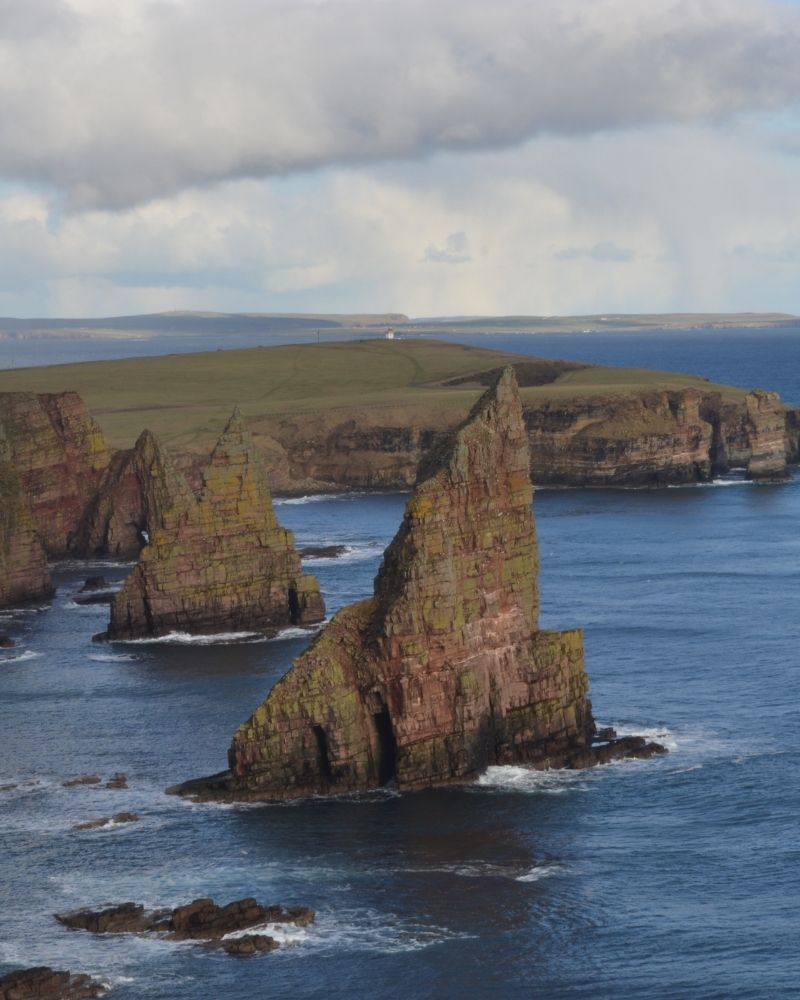
Duncansby Stacks, viewed from the cliff edge, in Caithness, Scotland. Attractions and landmarks.
Duncansby Stacks, image by Susan Barrie

Discover the geological wonder of the Duncansby Stacks, located at the northeast tip of Caithness, just outside John O’Groats. These towering formations are among the finest sea stacks in the British Isles and are one of the most iconic natural sights in the North Highlands. Visitors won’t want to miss this breathtaking stop along the north coast.

Follow the scenic footpath that leads from the Duncansby Head Lighthouse to the stacks, for stunning views of these dramatic pillars rising sharply from the North Sea, sculpted over centuries by wind and waves.

The rugged cliffs surrounding the stacks are a haven for nesting seabirds in spring and summer, including puffins, fulmars, and kittiwakes, making it a paradise for wildlife enthusiasts and photographers alike and a must see destination along the NC500.

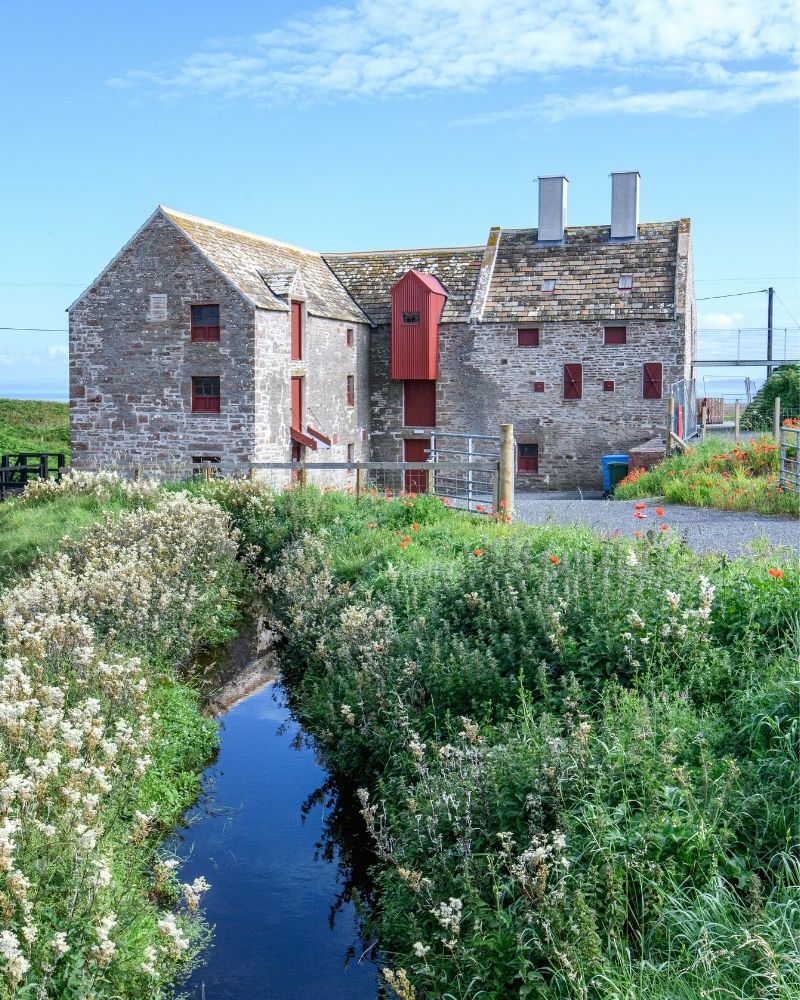
Just a stone’s throw from the iconic John O’Groats signpost, the John O’Groats Mill is a heritage attraction perfect for the whole family. This working, water-powered grain mill boasts a fascinating history that stretches back to the Viking Age, when Norse settlers likely began milling ‘Bere’, an ancient form of barley.

Visitors can step back in time and explore the traditional milling process from field to table, learn about the lives of local people who depended on the mill for their livelihood, and see the machinery in action during live demonstrations. A scenic coastal path links John O’Groats Village to the mill, offering breathtaking views across the Pentland Firth.

The John O'Groats Mill, in Caithness, Scotland, the building is viewed from the river naxt to it, with long green grass and clear blue sky. Attractions and landmarks.
John O'Groats Mill, image by Angus Mackay
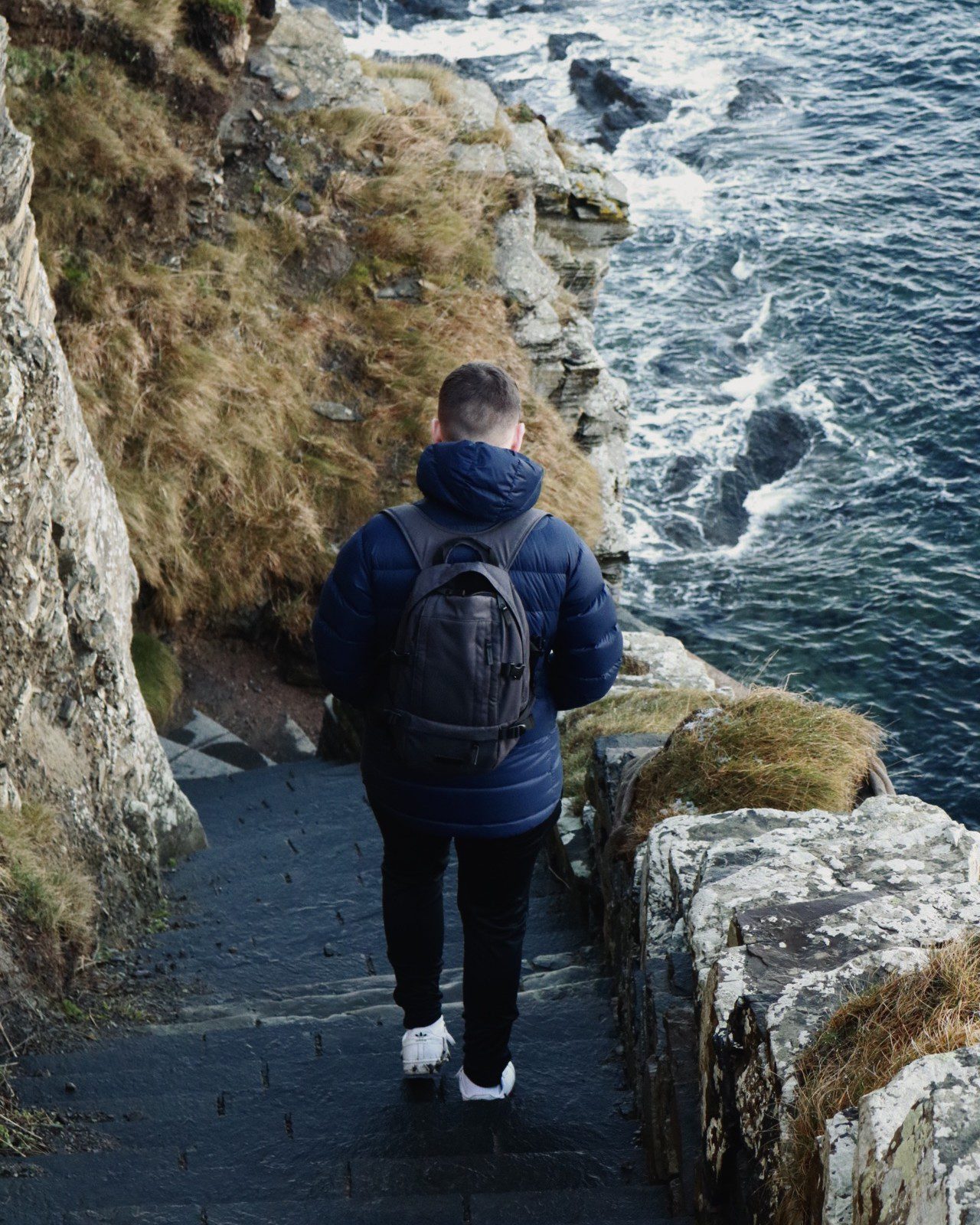
A man viewed from the back walking down Whaligoe Steps, in Caithness, Scotland. Attractions and landmarks.
Whaligoe Steps, image by Kirsty McNamara

This remarkable man-made staircase of over 300 stone steps south of Wick winds down to a narrow, sheltered harbour. A hub of activity during the 18th and 19th centuries, baskets brimming with fish were hauled up the steps in baskets by hardy fisherwomen.

Today, the steep walk down offers dramatic views of the sea cliffs and the North Sea beyond. Down at sea level you’ll find the haunting remnants of the old harbour and a powerful sense of connection to the people who once worked these cliffs.

John O’Groats is iconic—but Caithness has so much more waiting to be explored!

Inspiration

A Slow Travel Guide to Scotland’s Far North

The John O’Groats signpost is a NC500 highlight, but Caithness offers so much more to explore! Jeri Cormack, General Manager of the newly-refurbished John O’Groats Mill, shares her slow travel guide for visitors to John O’Groats in search of authentic Highland experiences.

Useful Information

Many local visitor attractions in Caithness and Sutherland are open from spring to mid-autumn (April/May – October) whilst many of our natural landmarks are available to access all year round. If you have an interest in visiting a particular attraction, do contact them directly to find out their opening days and times.

Yes! Many visitor attractions welcome children, having family friendly displays and exhibitions. Some outdoor sites and landmarks (like cliffside castles or longer hikes) may require caution with younger children.

Many outdoor attractions and landmark sites are great for bringing dogs. Please keep dogs on a lead, especially during bird-nesting season, or when near livestock or cliff edges. Consult the Scottish Outdoor Access Code for more advice on being outdoors with your dog.

Some historic sites, castles and other attractions do not permit dogs inside their buildings, but may allow them in the grounds. Check directly with attractions for their pet policy.

On our map, you can view things to see and do in the North Highlands with a pet-friendly filter.