

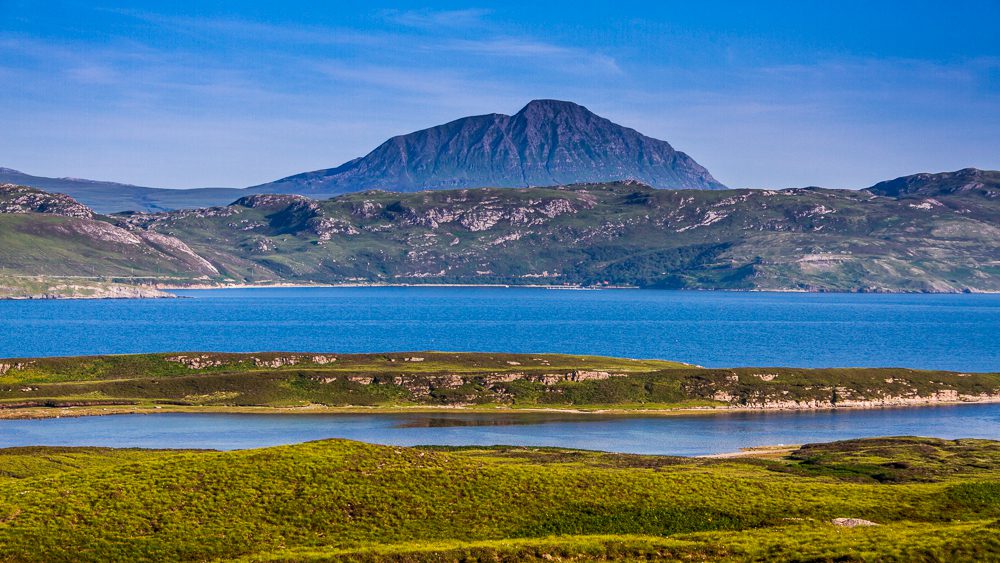
Ben Hope and Loch Eriboll, image by Maciej Winiarczyk
Loch Eriboll
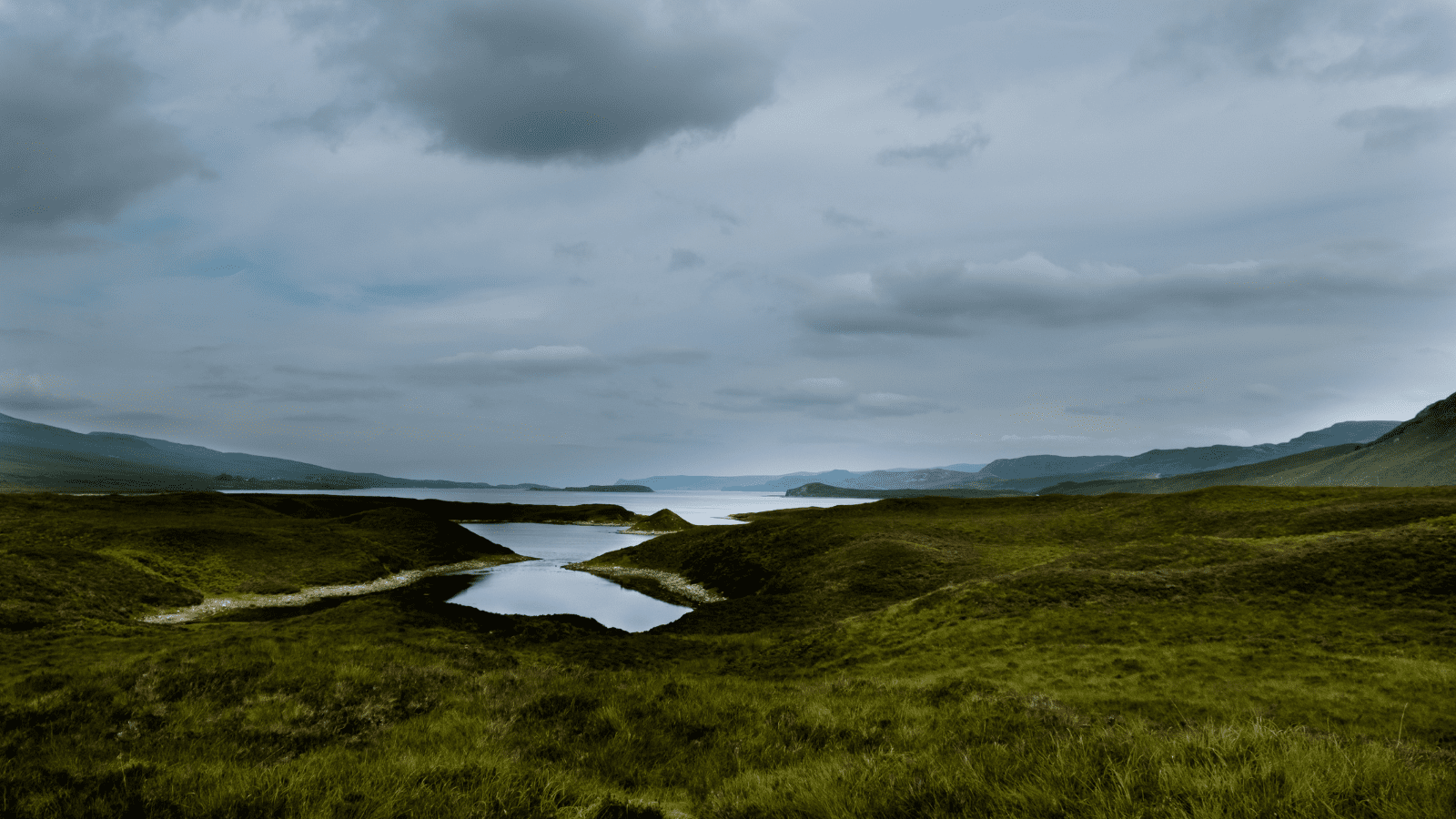
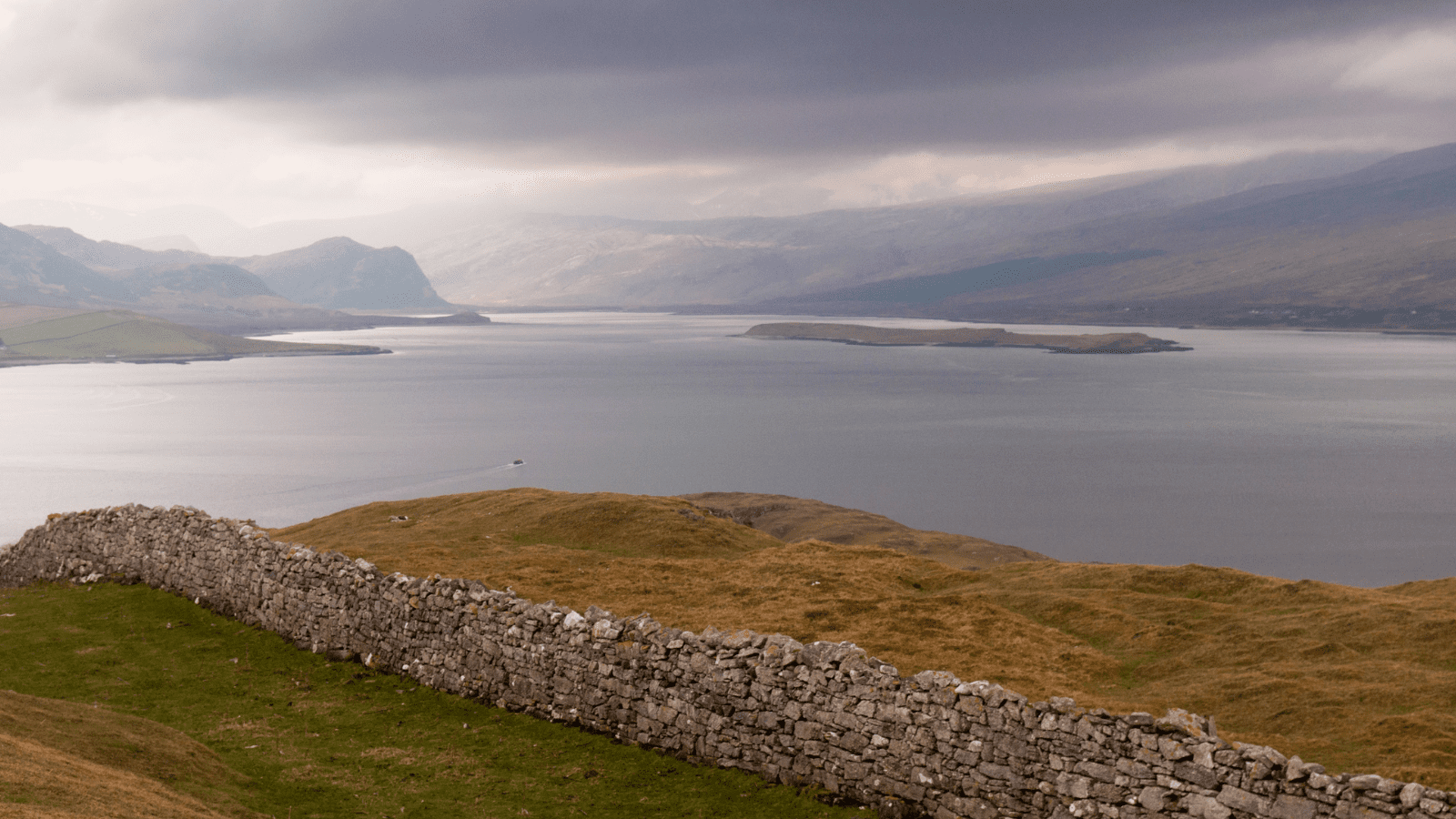
Loch Eriboll, derived from the Old Norse for “Home on a Gravely Beach,” is a long, sheltered sea loch nestled among the rugged mountains of northwest Sutherland.
Stretching nearly 10 miles inland, it offers one of the most scenic and historically rich detours along the North Coast 500. Its quiet beauty and dramatic surroundings make it a favourite for slow travellers, photographers, and history enthusiasts.
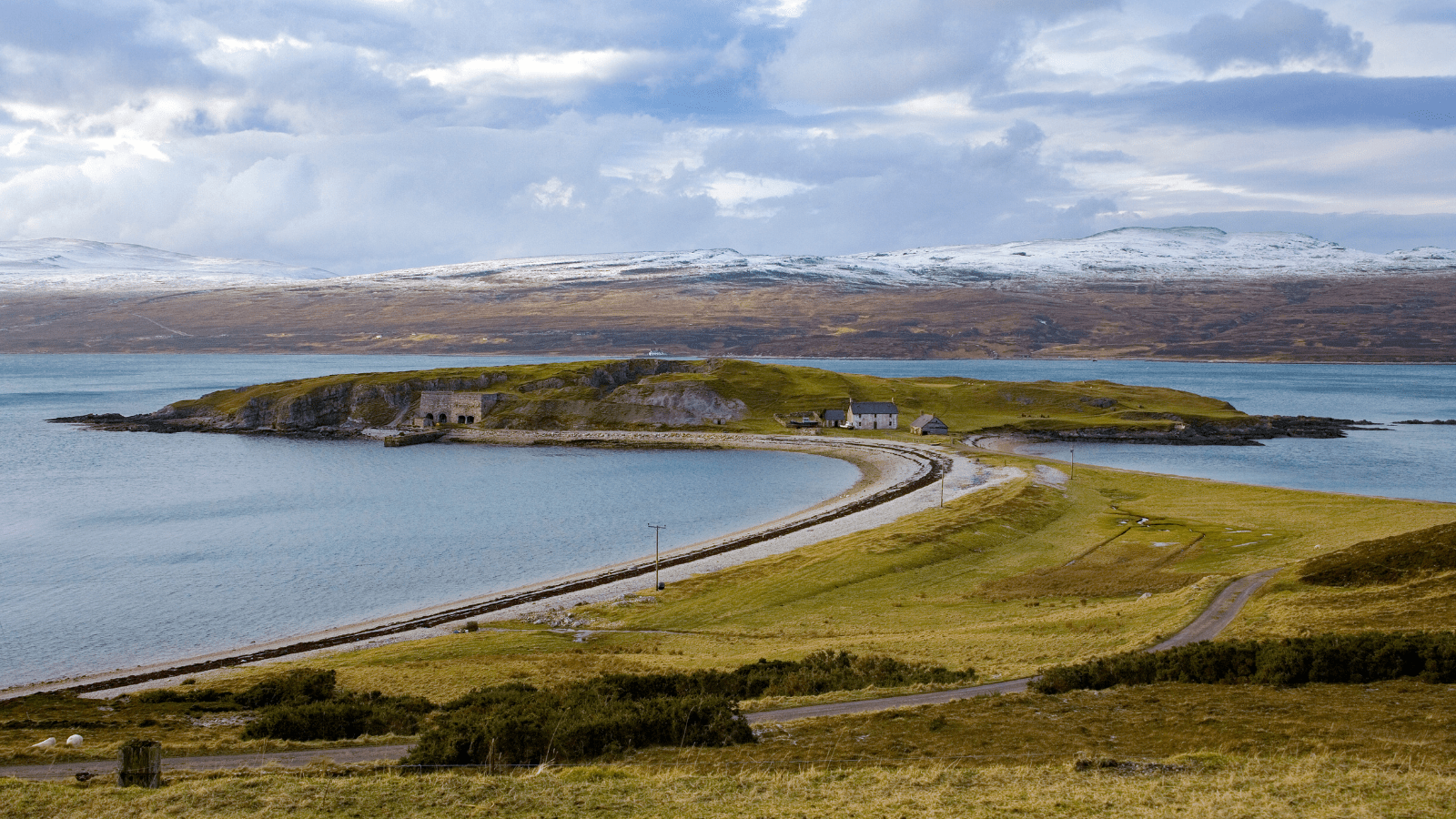
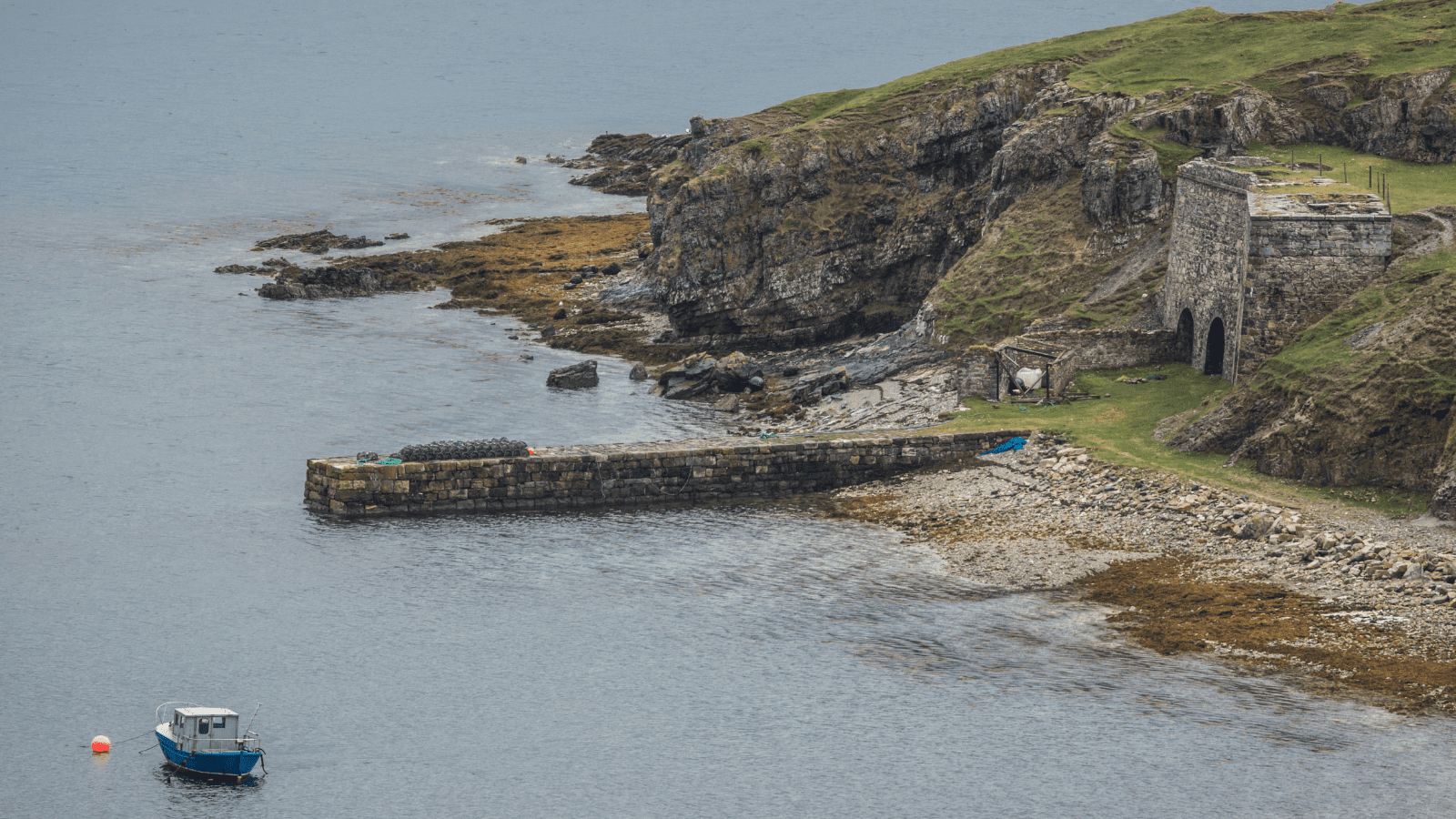
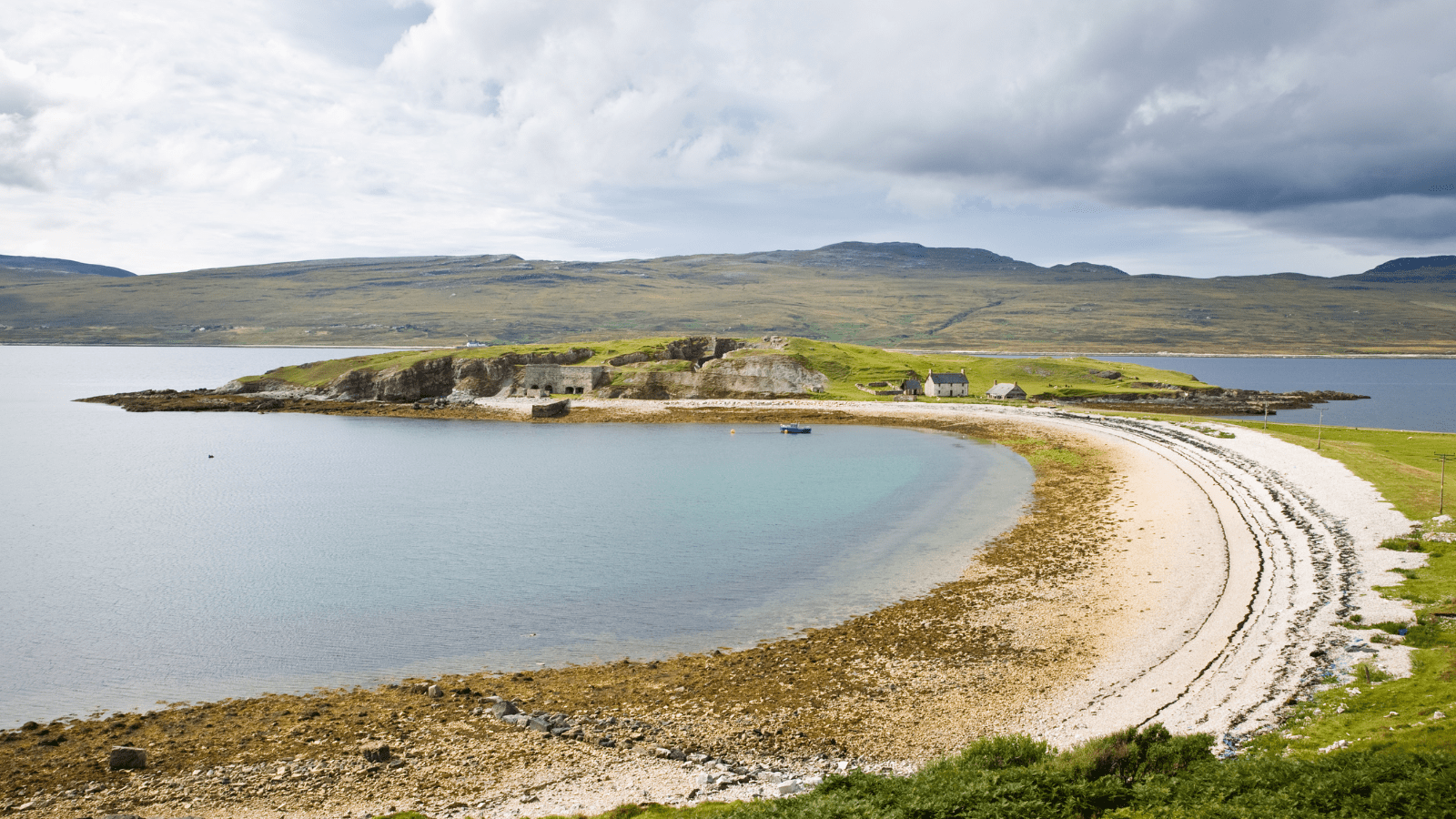
The loch’s most iconic feature is Ard Neakie, a near-island joined to the mainland by a narrow spit of sand and shingle. Here, four excellently preserved lime kilns stand as a testament to the region’s historic reliance on land and sea for resources. The kilns once supported a thriving local industry and now serve as a striking reminder of Highland resilience.
Loch Eriboll also played a key role during World War II, serving as a deep-water anchorage for Royal Navy vessels, including the HMS Hood. In 1945, German U-boats surrendered here, marking the end of the Battle of the Atlantic. Today, hillside markers still bear the names of ships that anchored in its waters.
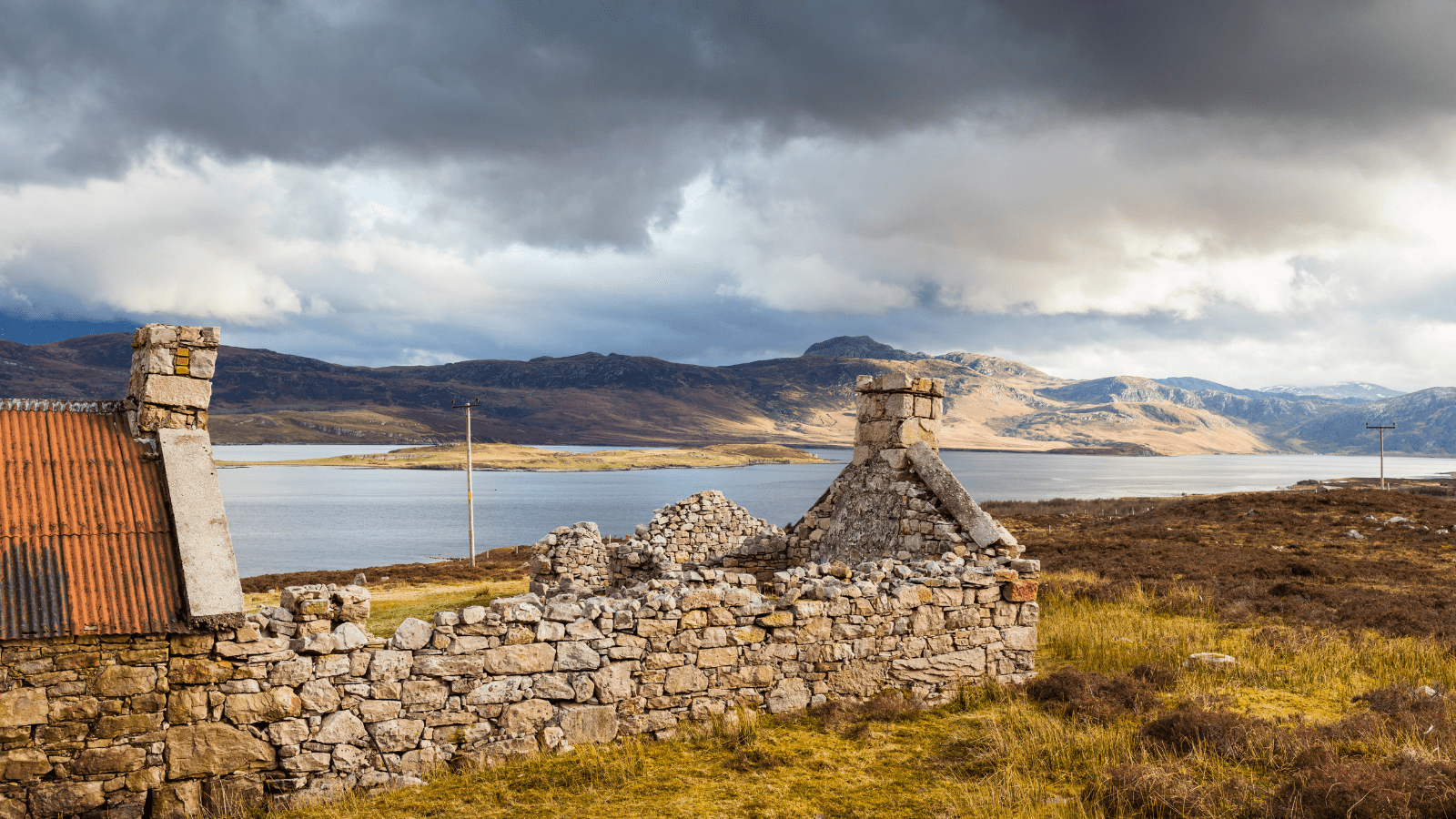
The loch’s shores are now home to several working crofts, continuing a centuries-old tradition of sustainable living in harmony with nature. Wildlife is abundant, with seals, otters, seabirds, and deer frequently spotted along the loch’s edge.
Good to Know
Location: Between Durness and Tongue, on the North Coast 500
Highlights: Ard Neakie lime kilns, WWII naval history, hillside ship markers
Wildlife: Seals, otters, seabirds, red deer, golden eagles
Activities: Scenic driving, photography, walking, birdwatching
History: WWII anchorage; site of German U-boat surrender
Nearby: Smoo Cave, Balnakeil Beach, Ben Hope, Foinaven
Photo Tip: Ard Neakie is especially photogenic at sunrise or sunset
Sutherland
IV27 4UJ