

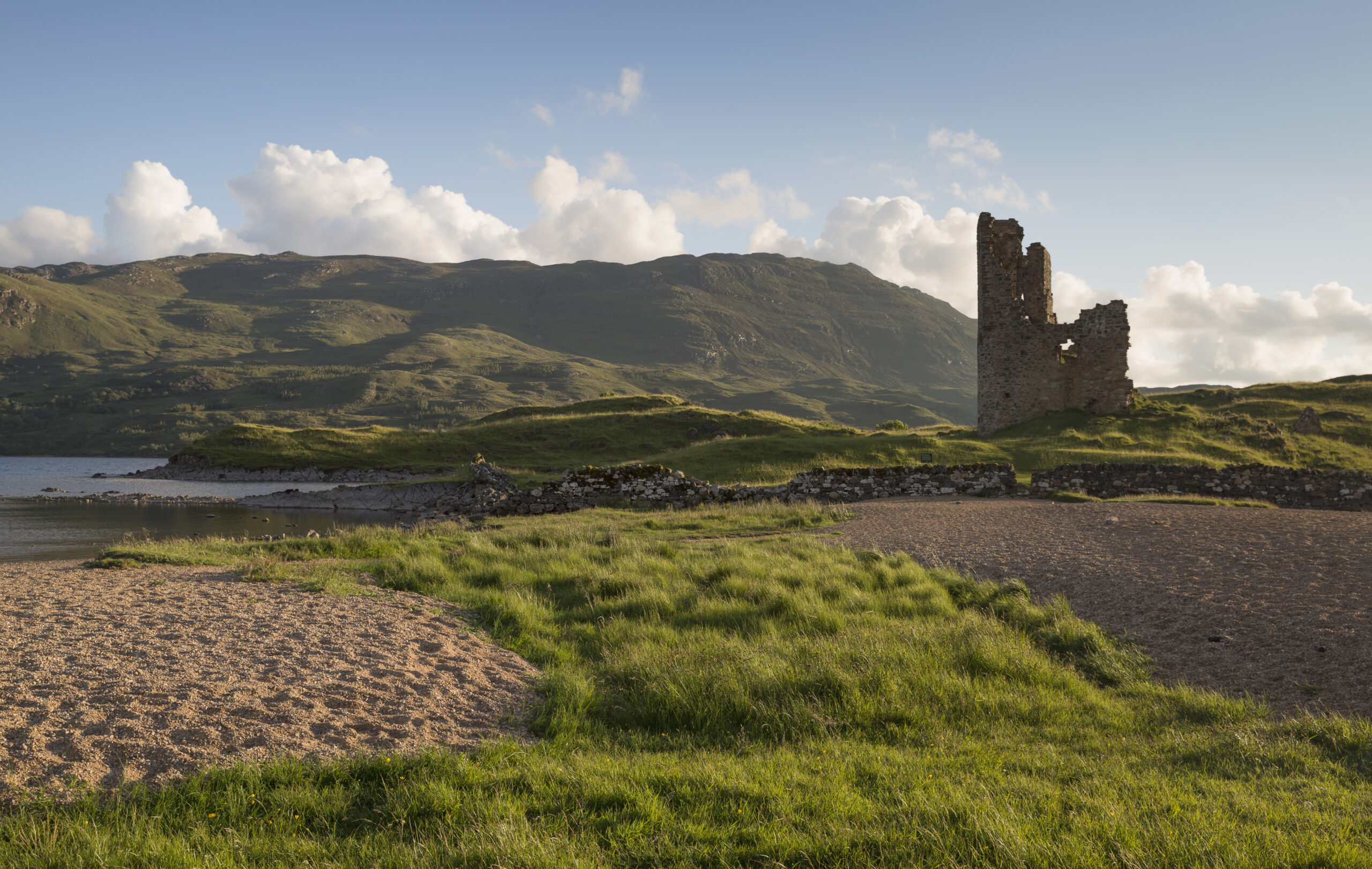
Ardvreck Castle, image by Kenny Lam / Visit Scotland
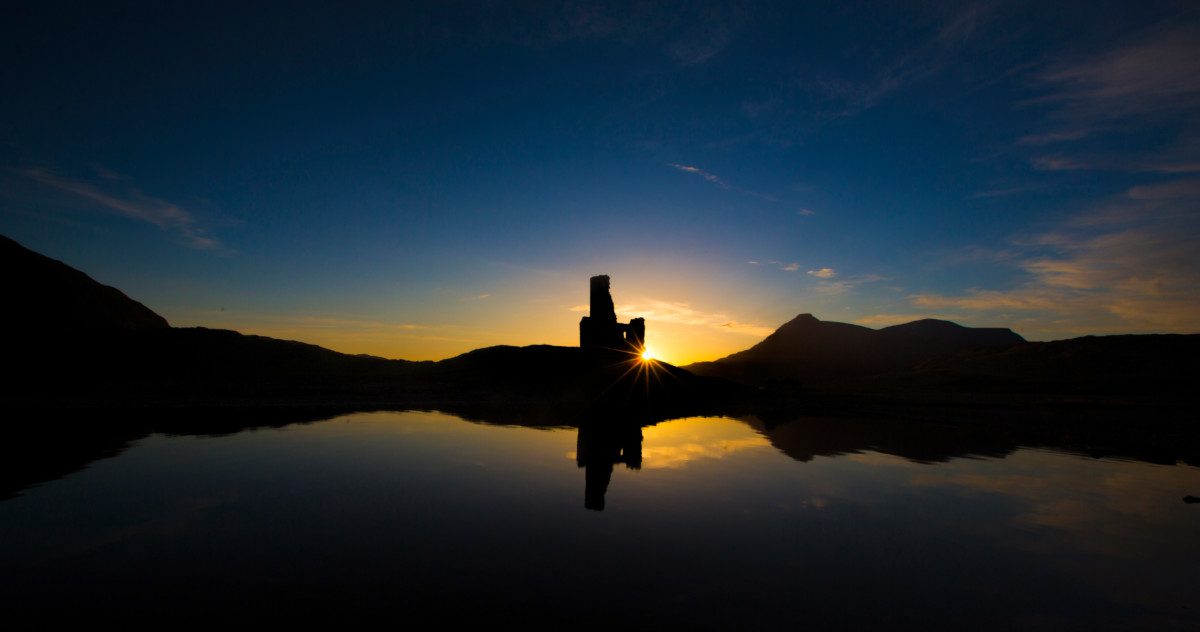
Ardvreck castle, image by John Baikie
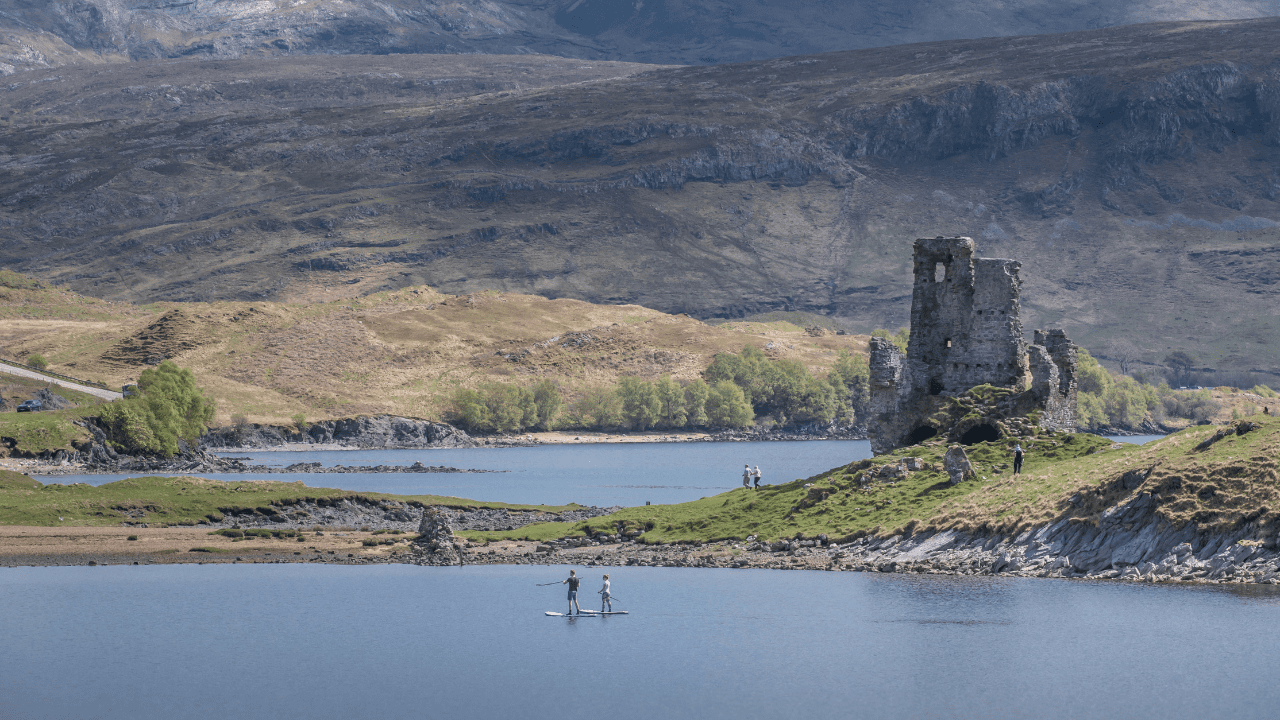
Ardvreck Castle, image by Airborne Lens / VisitScotland
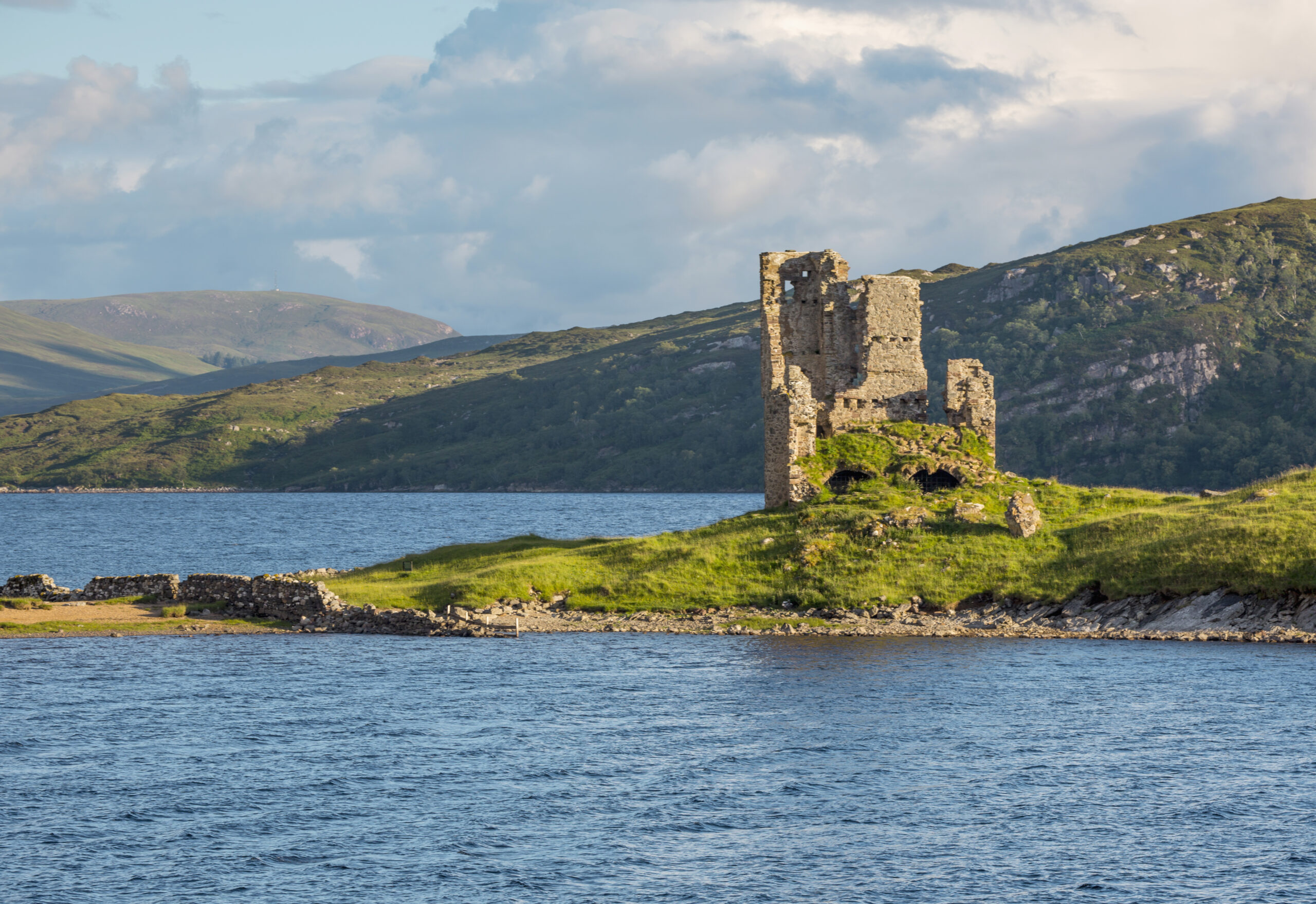
Ardvreck Castle, image by Kenny Lam / Visit Scotland
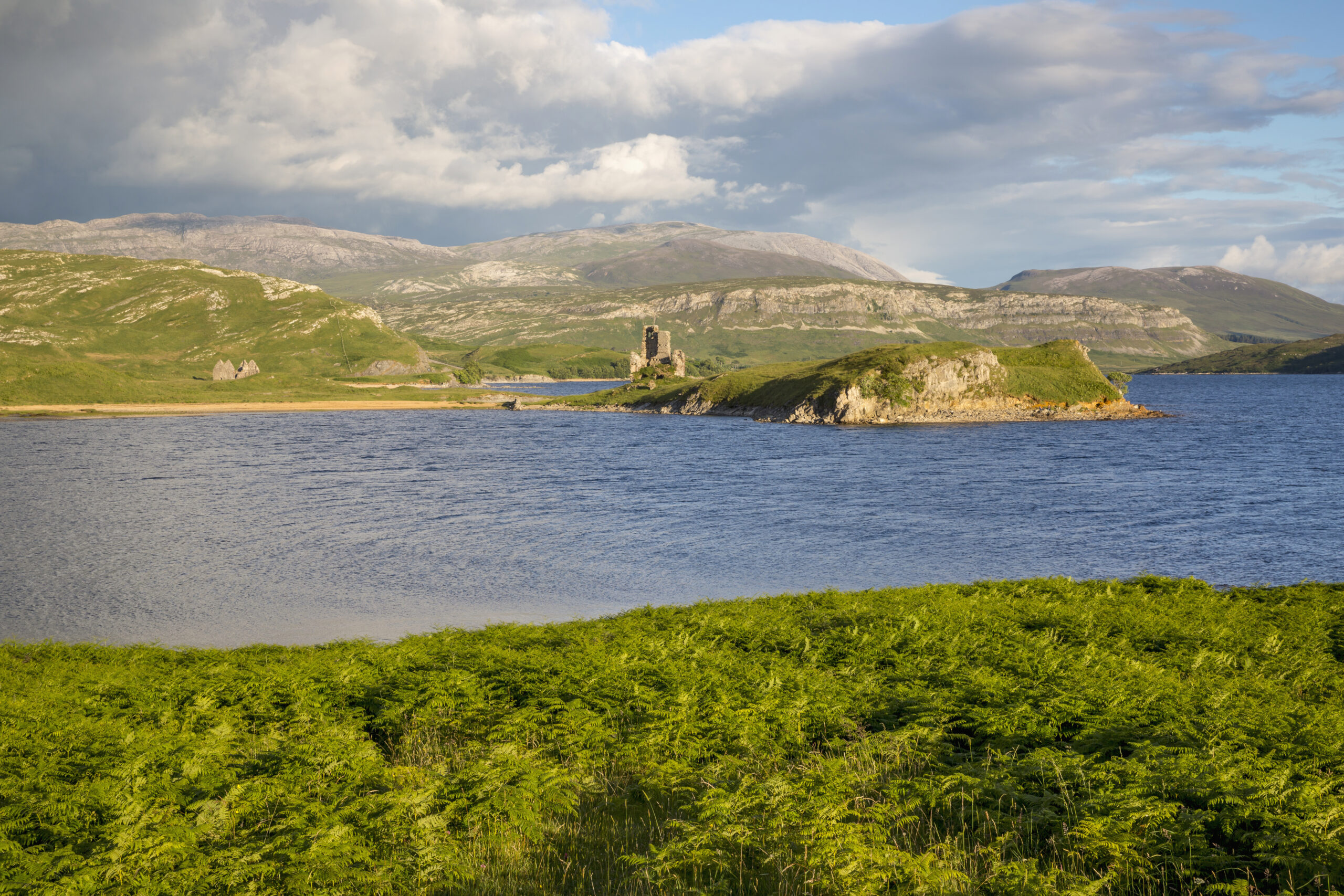
Ardvreck Castle, image by Kenny Lam / Visit Scotland
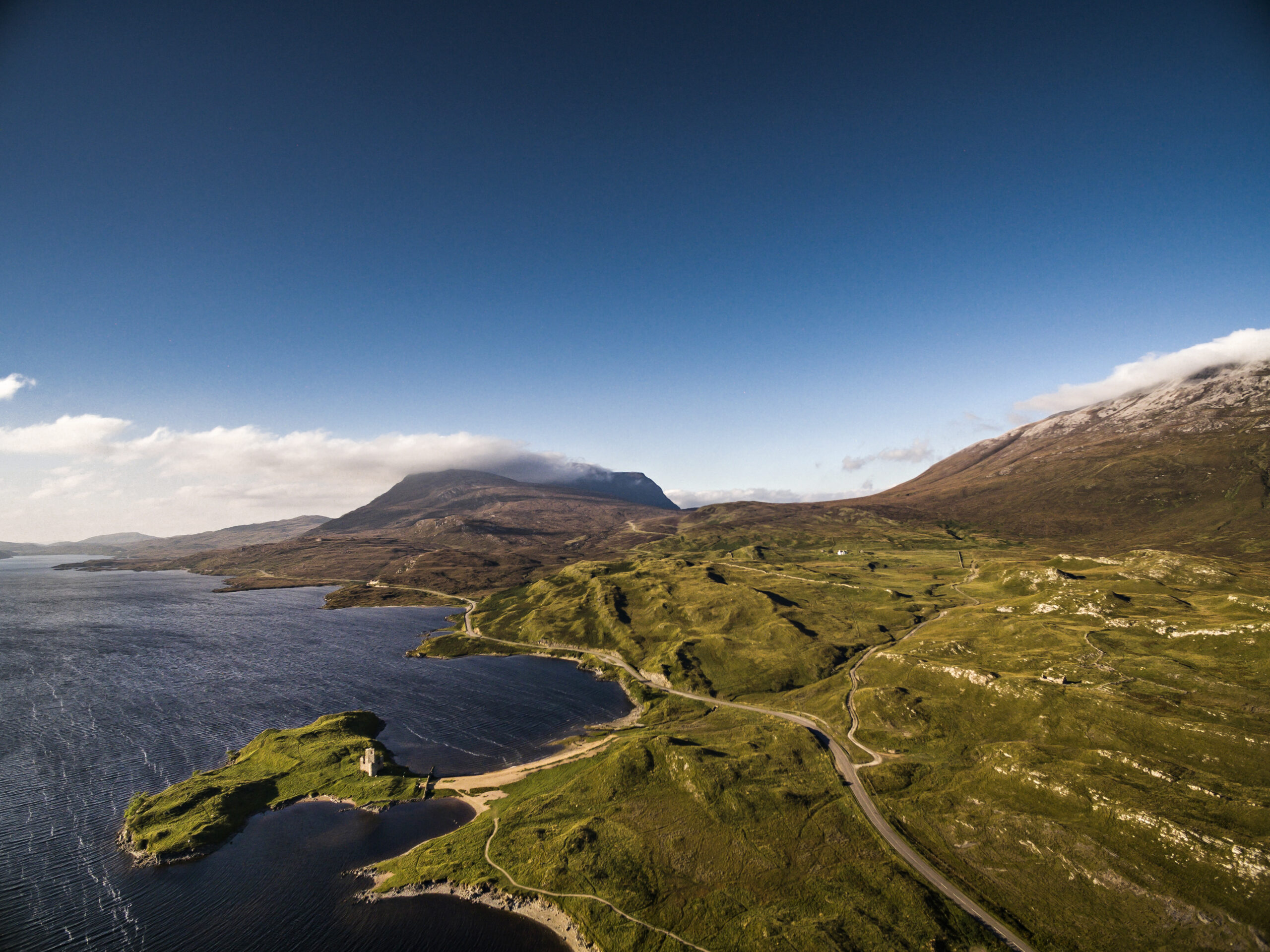
Loch Assynt, image by Richard Elliot / Visit Scotland
Ardvreck Castle, image by Kenny Lam / Visit Scotland
Ardvreck Castle & Loch Assynt
A Highland Tale of Beauty and Betrayal
Set against a backdrop of towering peaks and sweeping moorland, Loch Assynt and Ardvreck Castle offer one of the most dramatic and evocative landscapes in the Scottish Highlands. Loch Assynt, a freshwater loch nestled between Canisp, Quinag, and Beinn Uidhe, stretches nearly 10 km in length and plunges to depths of 86 metres. Fed by Lochs Awe, Maol a’ Choire, and Leitir Easaich, it flows into the sea at Loch Inver via the River Inver. Its 800-hectare surface and 111 km² drainage basin make it a vital part of the region’s ecology—and a paradise for anglers seeking trout, sea-trout, and salmon.
On the loch’s northern shore, the haunting ruins of Ardvreck Castle stand on a rocky promontory near Inchnadamph. Built around 1490 by the powerful MacLeods of Assynt, the castle was later seized by the Mackenzies, and its history is steeped in tales of betrayal, siege, and shifting clan power. Just a short walk away lie the ruins of Calda House, built in 1726 as a more modern residence, only to be destroyed in mysterious circumstances. Together, these ruins tell a compelling story of Assynt’s rocky past.
Whether you’re drawn by the history, the fishing, or the sheer natural beauty, Ardvreck and Loch Assynt offer a breath-taking experience.
Good to Know
- Parking: Free roadside parking available near the castle ruins.
- Access: Short walk from the road; terrain can be uneven and boggy—wear sturdy footwear.
- Open: Accessible year-round; no entry fee.
- Fishing: Permits required for trout, sea-trout, and salmon—check local providers.
- Photo Tip: Best light is early morning or sunset, with reflections on the loch and mist over the hills.
- Dog Friendly: Dogs welcome but keep on lead near livestock.
- Weather: Can change quickly—bring waterproofs and check forecasts.
Lairg
Sutherland
IV27 4HL