From Clearances to Clans: Discover Your Scottish Family Story in the Highlands
For generations, Highlanders have made homes across the world, and today millions of people still feel a strong link to Scotland through family history and shared memory. While tracing your Highland roots is easier than ever thanks to online archives and records, nothing compares to coming here in person: walking the ground your ancestors knew, taking in the same wide skies, and feeling closer to the lives they once lived.
The North Highlands is a wonderful place to begin. The landscapes of Caithness and Sutherland are rich in history, from the dramatic ruins of Iron Age brochs to atmospheric Neolithic cairns. Clearance villages, heritage trails, museums and archives all help bring the past into sharper focus.
In this blog, the team at Strathnaver Museum share their tips for exploring your Highland roots and following in the footsteps of those who came before.
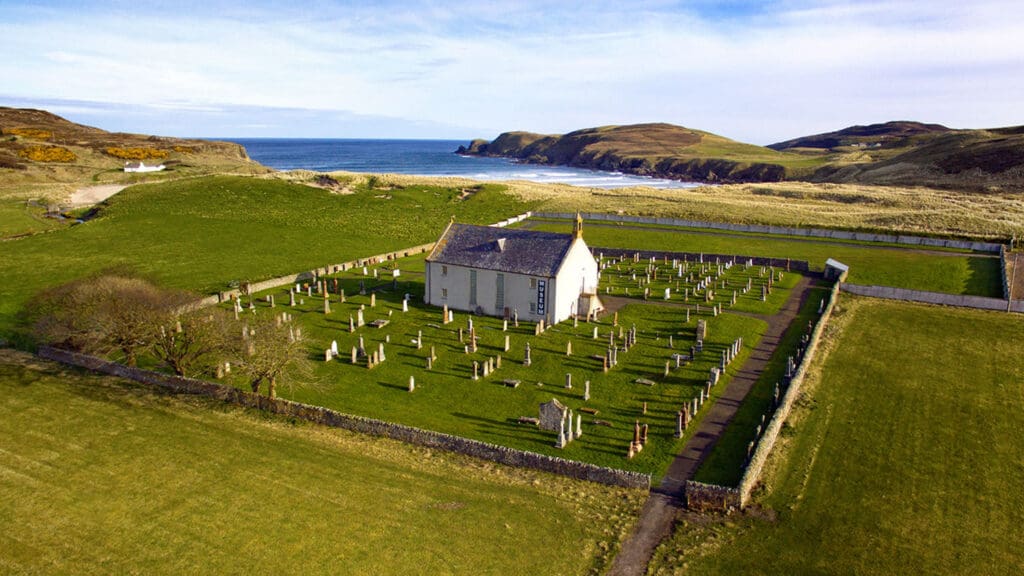
Follow Your Family Story in the North Highlands
Scottish genealogy and family history bring people from all over the world to the North Highlands, often in search of connections to people, place and the past. At Strathnaver Museum, we see this every day. For many, it’s a kind of pilgrimage, particularly for those with Clan Mackay links, and we welcome visitors from North America, Canada, Australia, the Netherlands and beyond.
Strathnaver Museum is a key starting point for Highland ancestry research, offering insight into the Highland Clearances alongside local records, artefacts and community knowledge. The Strathnaver Trail links 29 archaeological sites, from Neolithic cairns to pre-Clearance townships.
If you’d like to follow in your ancestors’ footsteps, here are five ways to begin.
1. Start Understanding Scottish Ancestry through with the story of the land and its people
Strathnaver Museum is a community-led local history museum covering 8,000 years of human occupation in North West Sutherland, told predominantly through the story of the Highland Clearances.
Understanding that history is often the first step for visitors. Many people come because of a connection to the Clearances – they want to see where their folk came from and understand more about what life was like for them.
We tell these stories through objects, exhibitions and local voices. It helps people answer that question: what was life like when people were removed from the land?
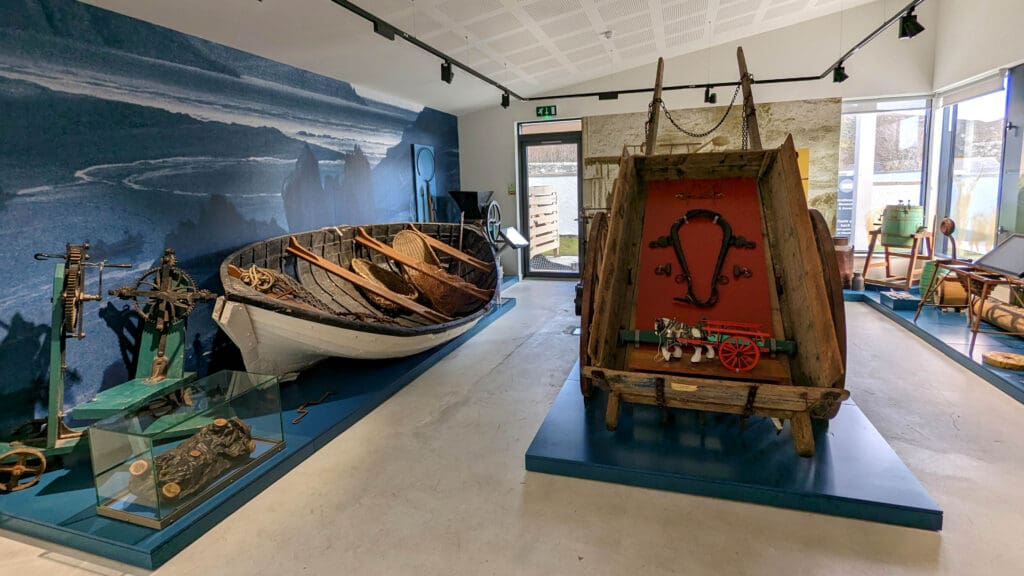
Image credit: Strathnaver Museum.
2. Experience Scottish Ancestry Through Authentic Stories and Historic Objects
One of the most powerful ways to connect with your ancestry is through lived experience – hearing and seeing the past brought to life.
Our exhibitions include witness testimonies from people recounting their experiences of the Clearances as children. These are voiced by local people, because it was important to us that these stories felt truly local and authentic. Visitors often listen to these in full, and they are really engaging.
We also have objects that create a tangible link to the past. In our croft house, visitors can see a recreation of day-to-day living in Strathnaver, including some pieces of furniture that were saved before people were moved off the land. It creates a really powerful connection to be able to see and touch these things – and even smell them! If you lean right into some of the tools used to weave wool, you can actually still smell the peat smoke. It makes for a really immersive sensory experience.
3. Trace Your Scottish Family History with Local Knowledge and Archives
Many visitors arrive having already done research, often through Scotland’s People, and sometimes they want help building on that. Our volunteers are excellent at supporting this kind of research.
What we offer goes beyond formal records. We hold materials that aren’t readily available elsewhere – local pamphlets, written stories, and, importantly, knowledge held within the community.
Place names, for example, can be a challenge. Older records may use names that no longer appear on maps, but there are still people locally who recognise them. That knowledge can help pinpoint locations and bring a family story into sharper focus.
Sometimes, we’re even able to connect visitors with living relatives. In one case, we had a lady in Australia researching her family roots, and we were able to put her in touch with a second cousin. That led to her coming to visit, stay in the area for several months and even start volunteering at the museum! These relationships are very important to us.
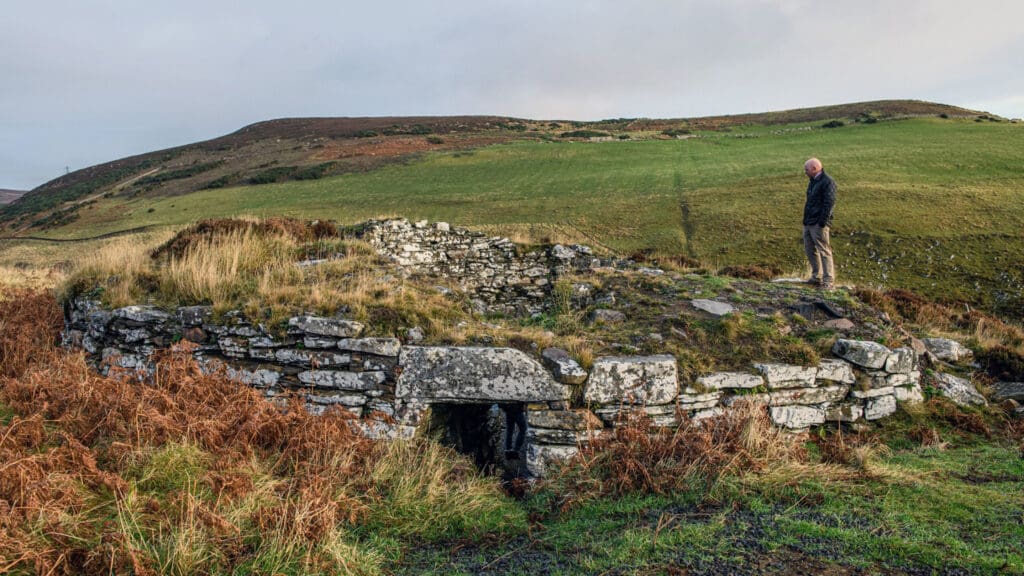
Image: Ousdale Broch. Credit: Caithness Broch Project.
4. Walk in Your Ancestors’ Footsteps Across the North Highlands
For many visitors, the most meaningful part of the journey is going out into the landscape itself. Visitors often arrive knowing the settlement their family came from and ask how to find it.
We can help with directions and context, but it’s also about managing expectations. In many cases, there is very little left – perhaps just faint outlines of buildings, with no markers.
That absence is part of the reality of the Clearances. Entire communities were removed, and what remains is often subtle and quiet.
There are, however, places like Rosal Clearance Village. One of the most recognisable sites, it features more than 70 ruined buildings and interpretive panels, and work is ongoing to develop it further as a focal point for people returning to the area.
5. Experience Scottish Heritage Through Community Connections
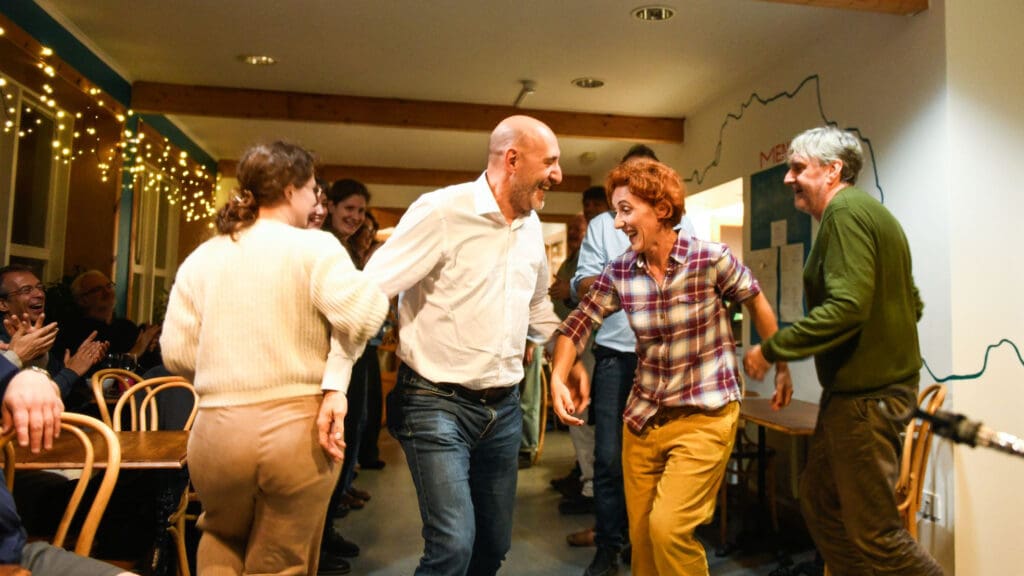
Genealogy tourism isn’t just about the past; it’s also about connection in the present.
We see a growing number of local visitors, as well as people from across the UK, alongside our international audience. There’s a real sense of shared interest in the stories of this place and its people.
We’re also working to expand how people can engage with that history, including exploring ways to involve volunteers digitally. There are people all over the world who want to contribute and maintain a connection to the places their ancestors came from.
At its heart, genealogy is about people – past and present – and the connections between them.
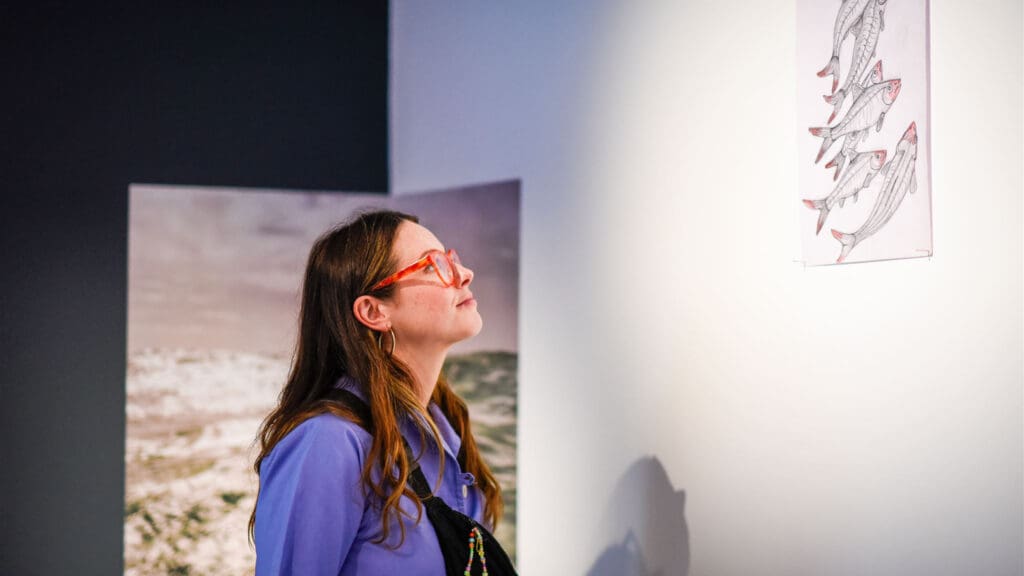
Image credit: Timespan, Helmsdale
Trace Your Scottish Roots in the North Highlands
For those retracing their family tree, the North Highlands offer something unique. It’s not always about finding a precise location or a marked site – it’s about standing in the landscape, hearing the stories, and understanding the lives that came before.
At Strathnaver Museum, we’re here to help make those connections through a shared experience of place. There are many fantastic resources across the North Highlands that can support your research and deepen your understanding of family, community and landscape, including the museums, archives, heritage centres and historic sites.
Timespan & Helmsdale Heritage Trail
An award-winning heritage and arts centre exploring the Clearances and coastal communities, with exhibitions and archives that bring local family histories and migration stories to life.
Wick Heritage Centre
Ideal for those with Caithness roots, this museum holds extensive records, photographs and maritime history connected to the fishing industry and local families.
Dornoch Historylinks Museum
A welcoming museum with strong local archives and displays, helping visitors explore Sutherland ancestry through social history, photographs and community records.
Caithness Broch Project
While not a genealogy archive, it offers valuable context on Iron Age life, helping visitors understand the ancient landscapes their ancestors once knew. The Caithness Adventure Map is a useful companion for exploring broch sites, castles, cairns, standing stones and other heritage locations across the county.
Nucleus & The Caithness Archives
A major resource centre for family history research, housing Caithness records including estate papers, maps, photographs, church records and official archives.
North Coast Visitor Center
Step inside and uncover centuries of Caithness history. Explore exhibitions featuring discover millions of years of Scottish history, from ancient fossils and standing stones to the UK’s first nuclear fast reactor.

Planning to trace your roots in Caithness and Sutherland?
Start your journey into North Highland ancestry today—whether you’re ready to visit or just beginning to explore, find inspiration, stories and practical guidance for walking in your ancestors’ footsteps.