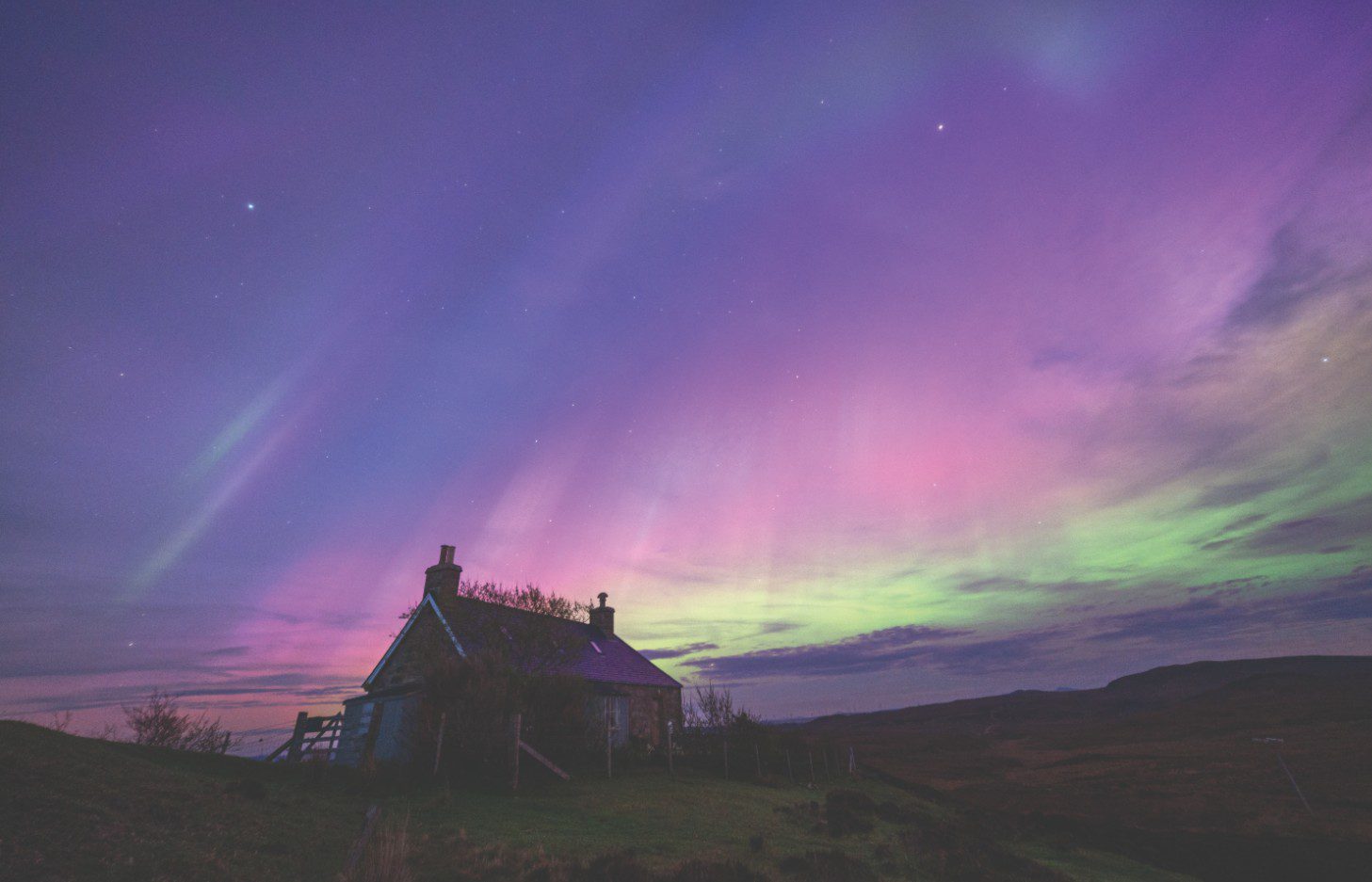
Meet Gary Macleod, a Northern Lights photographer from Tongue on Scotland’s far north coast. Gary shares his expert tips and insights on Northern Lights photography in Caithness and Sutherland, helping you capture the Aurora Borealis while exploring one of the UK’s most breathtaking winter destinations.
Planning a scenic drive along the North Coast 500 or seeking a dark-sky adventure in the Highlands? Gary’s advice will help you make the most of your trip and return home with unforgettable images.
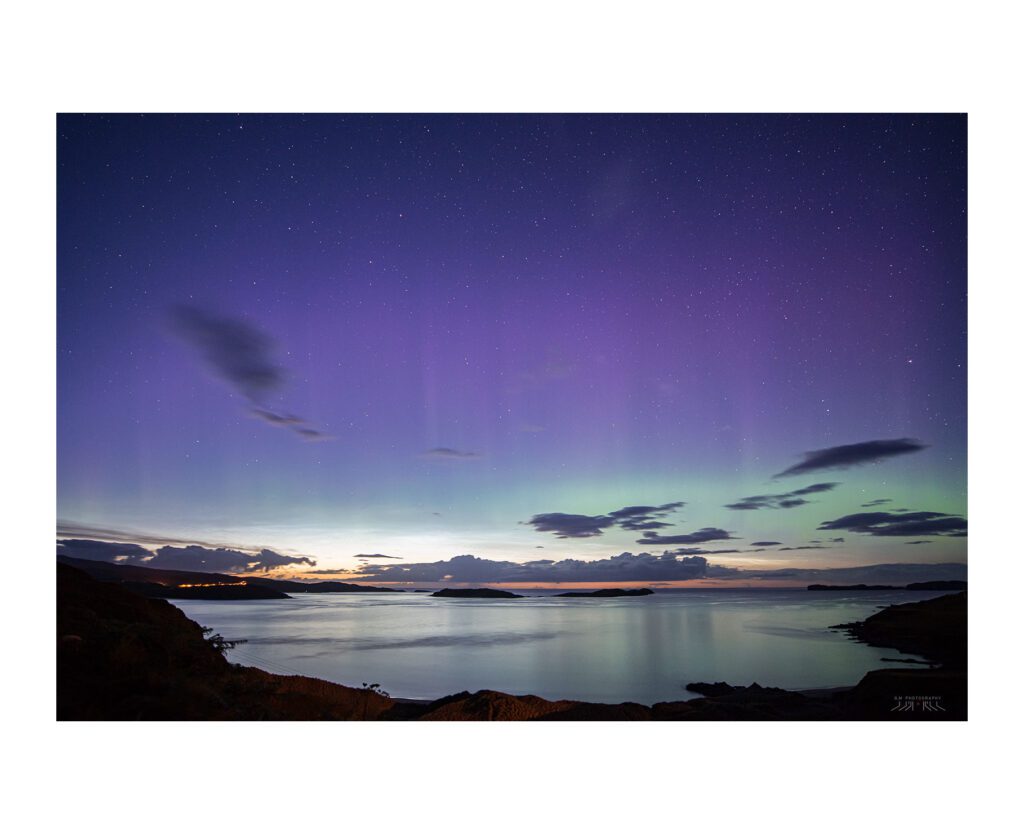
Northern Lights Photography in Caithness & Sutherland: Kit, Safety, and Top Tips!
My passion for photography began when I was about 12 years old. Back then, it wasn’t something you shouted from the rooftops. Growing up on the north coast of Scotland, in the small village of Portskerra, meant that winter nights often brought the magical Northern Lights. Locals would say, “The mirrie dancers were bonnie last night,” but as a child, I never truly appreciated how special they were.
Life moved on, I settled in Tongue, got married, and raised two wonderful daughters. Photography came and went, mostly because film was expensive back then! Like many others, my passion reignited with the arrival of digital cameras. I’ve photographed many subjects, but my heart belongs to landscapes, seascapes, and the Aurora Borealis of the North Highlands. Many people travel to Scandinavia hoping to see the aurora, but even then, it’s not guaranteed. For me, being able to stand on back doorstep here in Sutherland and see them dancing overhead, is something I’ll never take for granted.
Over the years, I’ve taught myself everything I know about photography through trial and error. Capturing the Northern Lights has been a journey of both mistakes and successes, and I still learn something new every time I head out with my camera. Here are some practical tips to help you photograph the Northern Lights here in the North Highlands.
Why Caithness and Sutherland Are Perfect for Aurora Chasing
Caithness and Sutherland offer some of the darkest skies in the UK, making them ideal for aurora photography and winter tourism. Long nights, minimal light pollution, and dramatic coastal scenery create the perfect backdrop for adventure seekers and photographers.
Essential Safety Tips for Night Photography in the Scottish Highlands
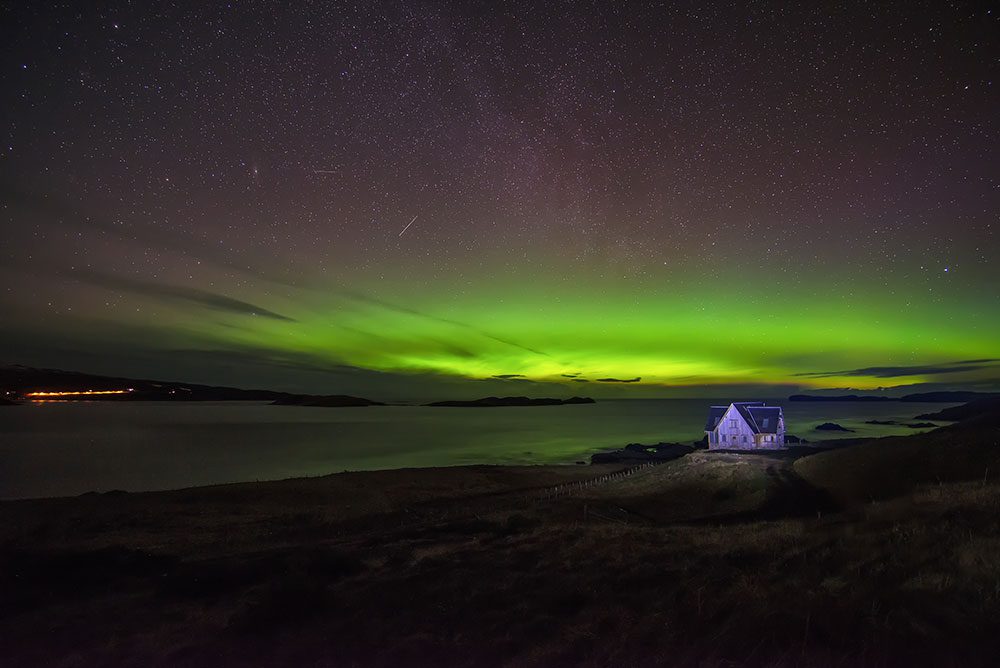
First and possibly most important tip is to look out for your own safety. Never put your personal safety ahead of getting an image! You are out in the dark so you need to make sure you are aware of your surroundings and if you are going alone, make sure someone knows where you are heading and take your mobile with you fully charged.
Planning Your Aurora Shot: Locations and Composition Ideas
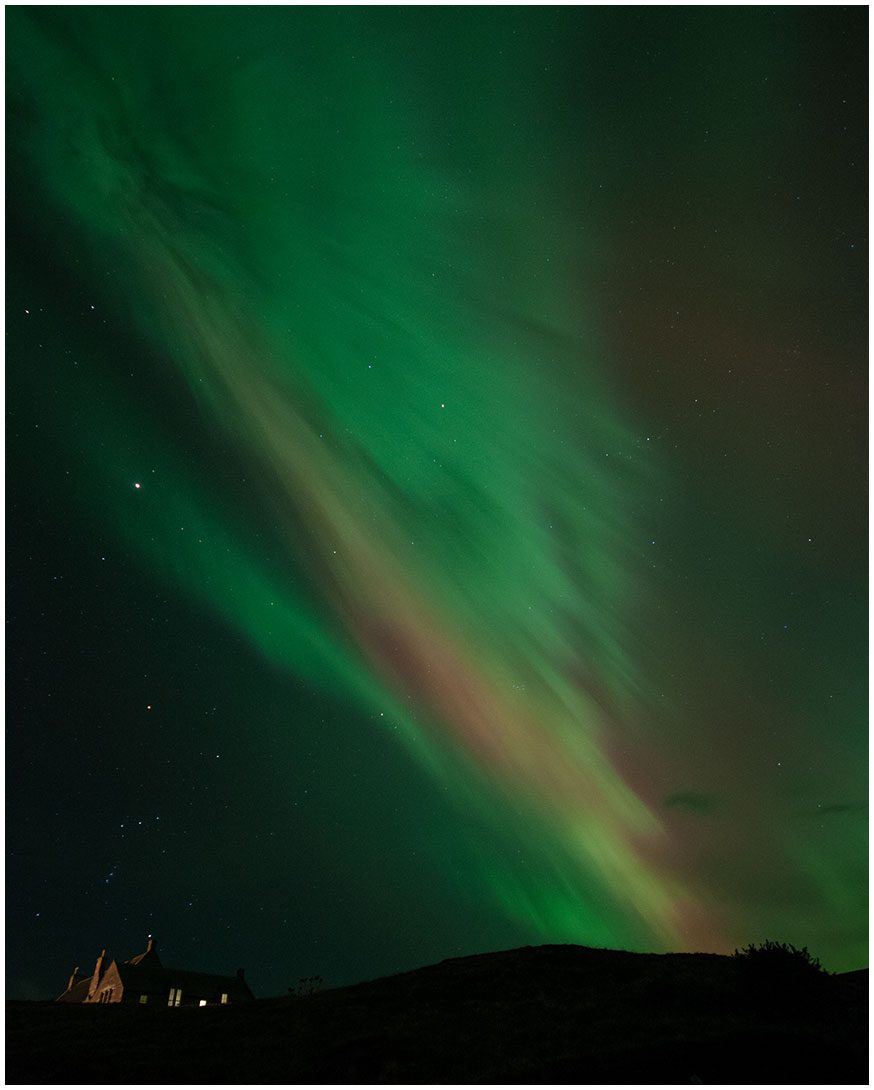
Some compositions take years of planning; others happen on a whim. I often spot locations during my daily travels and think, “That would look incredible with the aurora.” Foreground interest, boats, buildings, or rugged coastline can add depth to your images.
And don’t forget: step back from your camera and look up. Witnessing the Northern Lights with your own eyes is unforgettable. Log it into your personal memory card—your mind. Once you’ve seen it, you’ll be hooked, just like me.
Download the Glendale Skye App in advance, which lets you know of any solar activity leading to possible aurora sightings.
Must-Have Gear for Winter Photography Adventures
Starting off with your basics such as a camera (yes, I have actually left my house without it before!), a tripod, memory cards, the fastest wide-angle lens you have, and a cable release or self-timer.
Wrap up warm with lots or layers and bring a flask of hot drink with you. You will also need spare batteries , which you will want to keep close to your body as the cold weather can drain these very quickly, a head torch preferably with a white light and a red light (red light helps when working at night as your eyes don’t need to re-adjust to the darkness) and a cable release or self-timer.
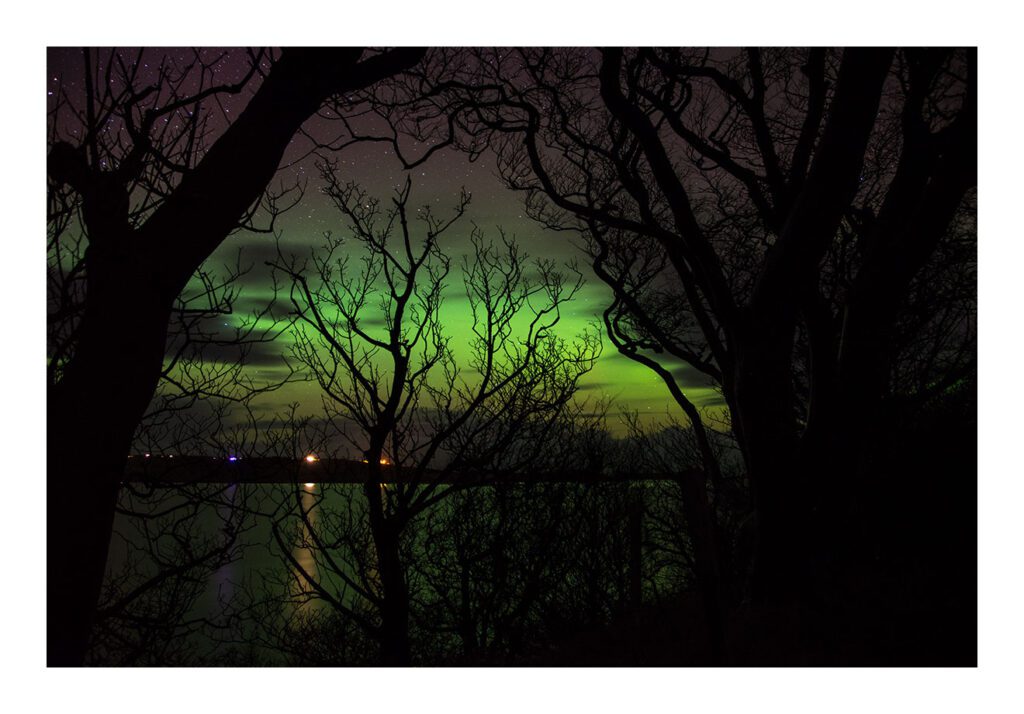
The Best Camera Settings for Capturing the Northern Lights
I usually start my ISO settings around 1600 and adjust from there. Since we’re shooting at night, a high ISO is essential to allow the camera sensor to gather as much light as possible without introducing excessive digital noise.
Manual focus is crucial, if you leave it on auto, the lens will continuously hunt for a focus point, which is nearly impossible in the dark. Using a wide-angle lens, I focus just short of infinity to keep everything sharp and set the lens to its fastest, yet optimal aperture – on my Samyang, that’s typically f/2.2. With a little trial and error, you’ll find the best setting for your own lens.
I always try to make sure my tripod is on solid footing and the camera is level; nothing ruins a shot like a crooked horizon that needs cropping later. Finally, get as far away from artificial light pollution as possible to make the most the natural beauty of the aurora.

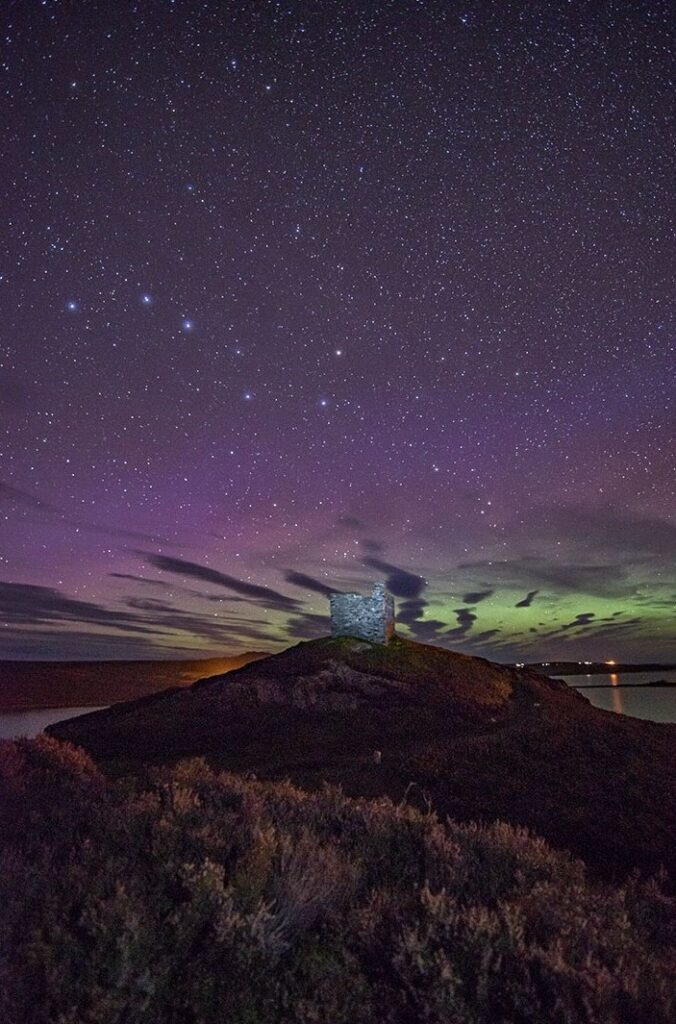
Want to see more of Gary’s stunning Northern Lights photography? Explore his portfolio and behind-the-scenes stories on his website and Facebook page. Follow along for inspiration and start planning your own aurora adventure in Caithness and Sutherland.
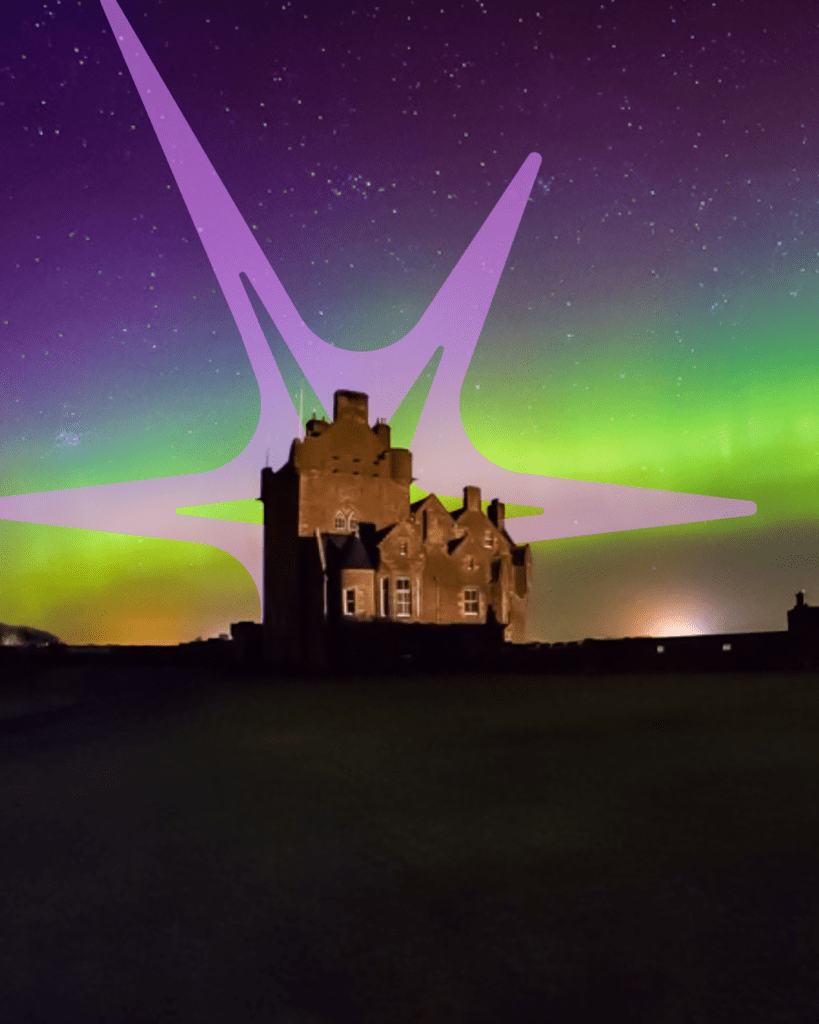
Plan your North Highland Adventure!
Planning a trip to Caithness and Sutherland? Your adventure starts here! Whether you’re booking now or just dreaming, we’ve got all the inspiration you need for your trip to the far north.