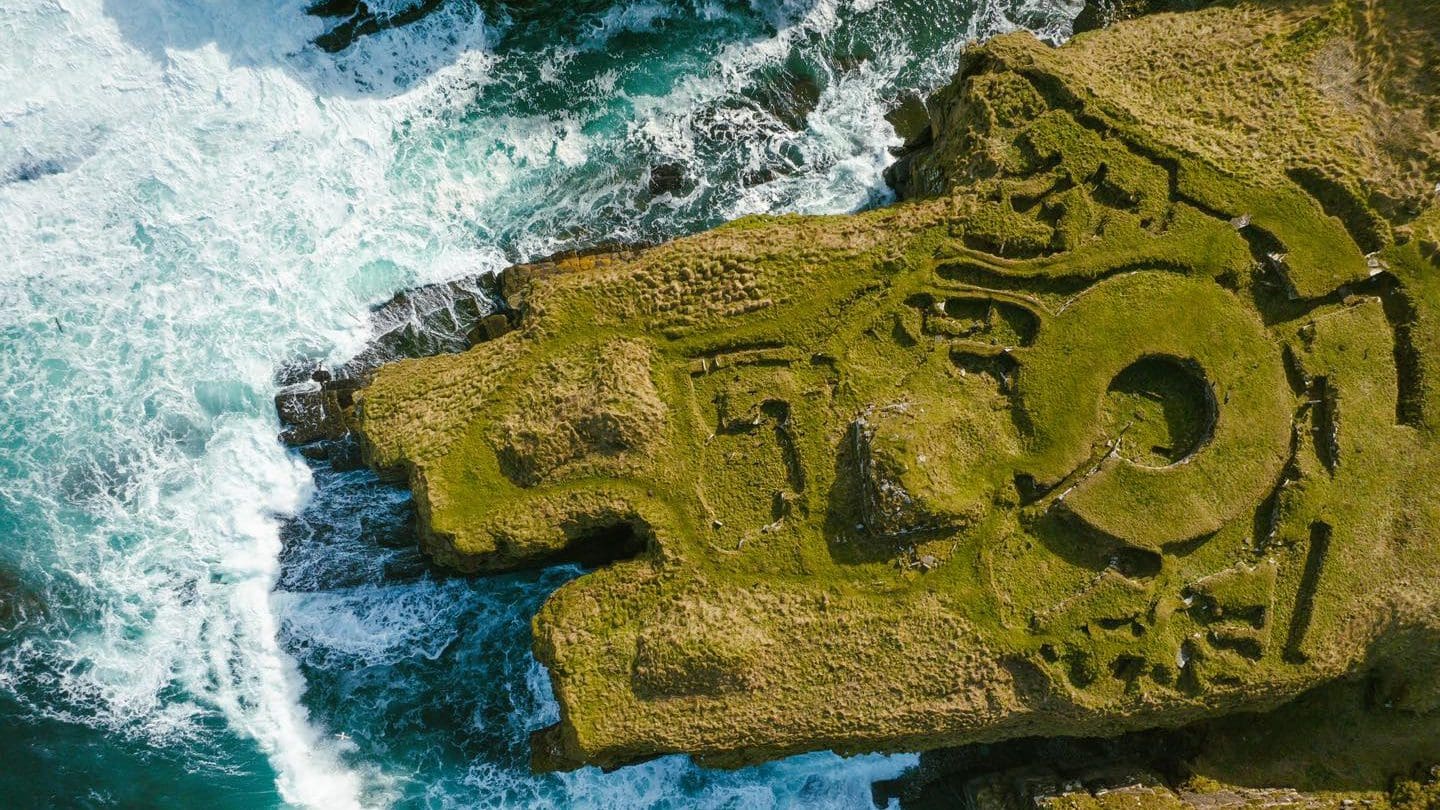
A new Iron Age broch will soon rise in Caithness – Scotland’s first in over 2,000 years. As plans take shape, there’s never been a better time to explore the north’s extraordinary archaeology, rich history and living heritage along the NC500.
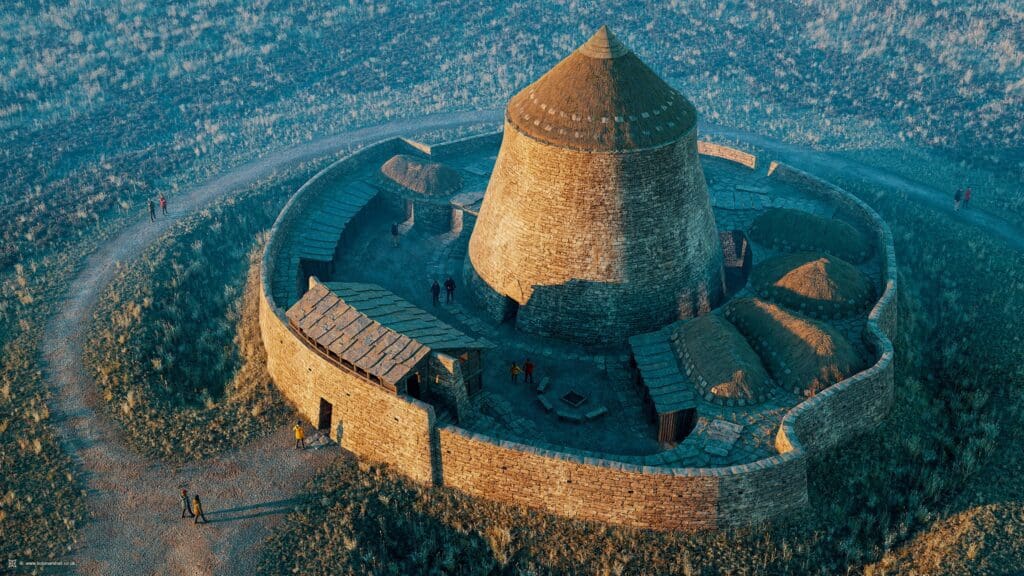
Iron Age Brochs: Scotland’s Ancient Towers Reimagined
Here in the North Highlands, history is about to be rebuilt – the Caithness Broch Project has secured approval to construct Scotland’s first new broch in more than 2,000 years. When completed near Latheron, this striking circular stone tower will stand as a tribute to the Iron Age architecture that once defined the region.
But while this remarkable project will take a few years to rise from the ground, there’s no need to wait to experience the extraordinary archaeological sites of Caithness and Sutherland. The north Highlands is already a place where stories of ancient builders, crofting communities and coastal traders are written into the landscape.
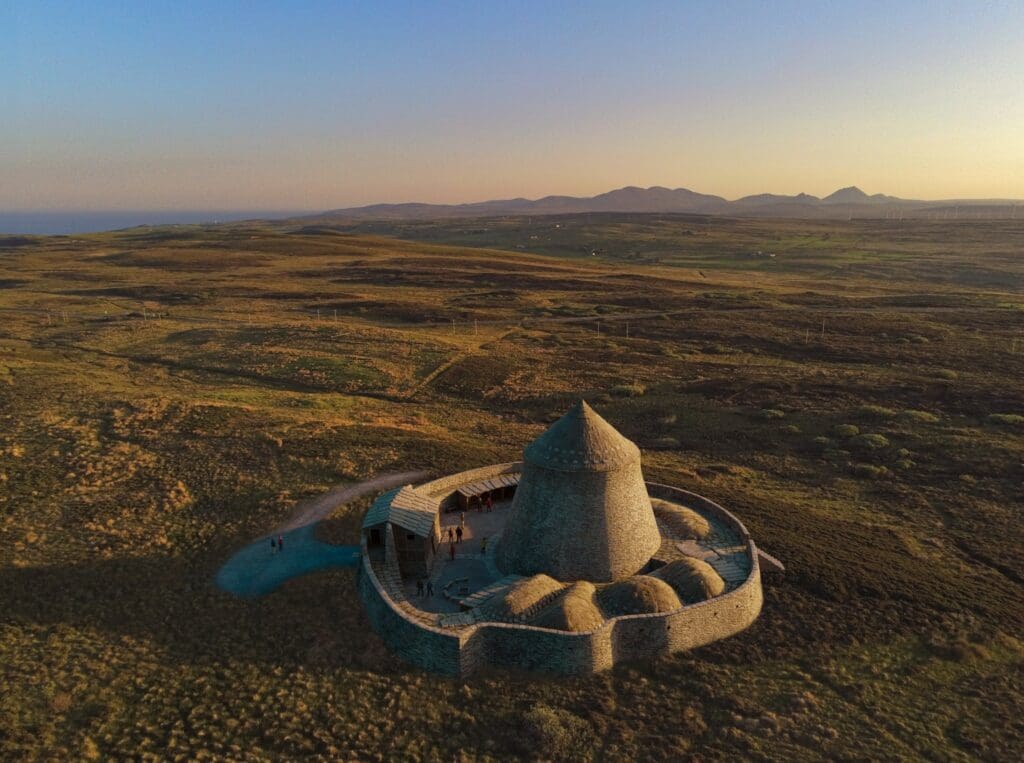
Scotland’s Finest Archaeological Sites Along the NC500
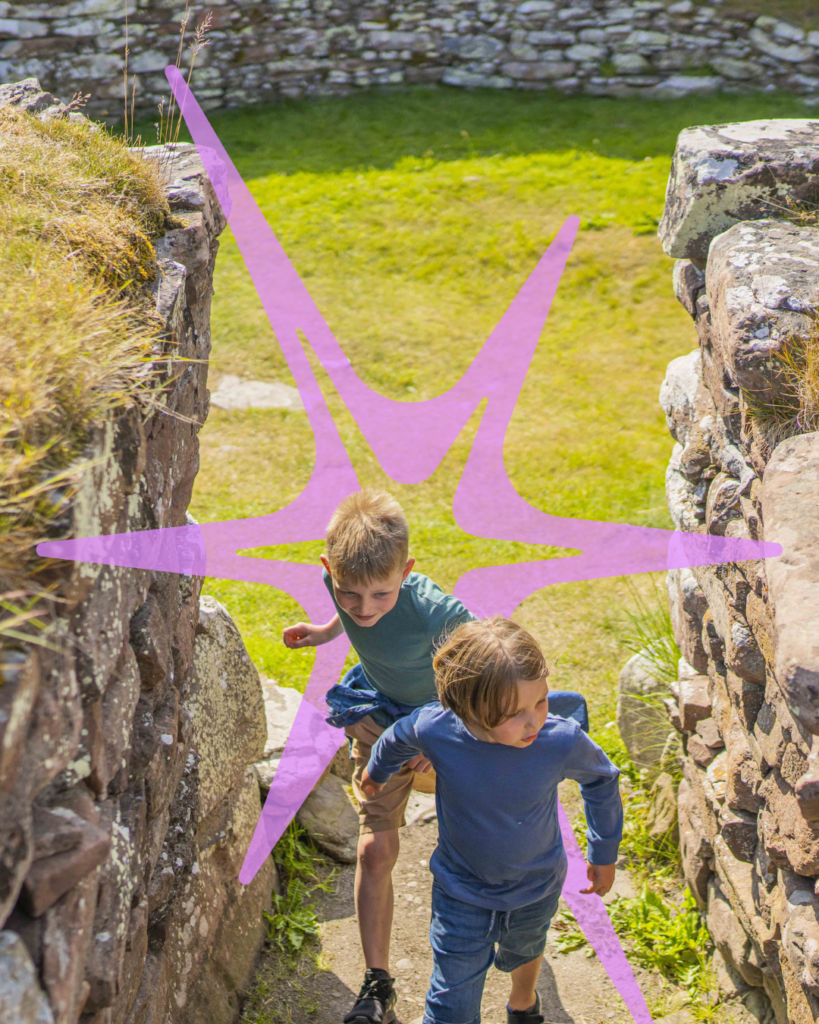
Caithness is home to the greatest concentration of broch sites in Scotland. You can walk in the footsteps of Iron Age settlers at places like Ousdale Broch near Berriedale, one of the best-preserved in Caithness and carefully restored by the Caithness Broch Project.
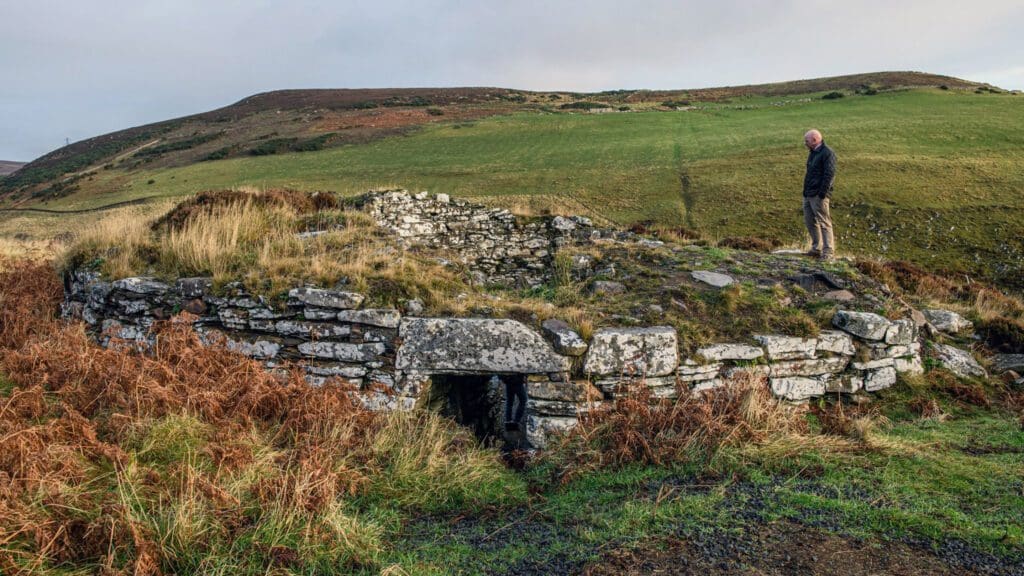
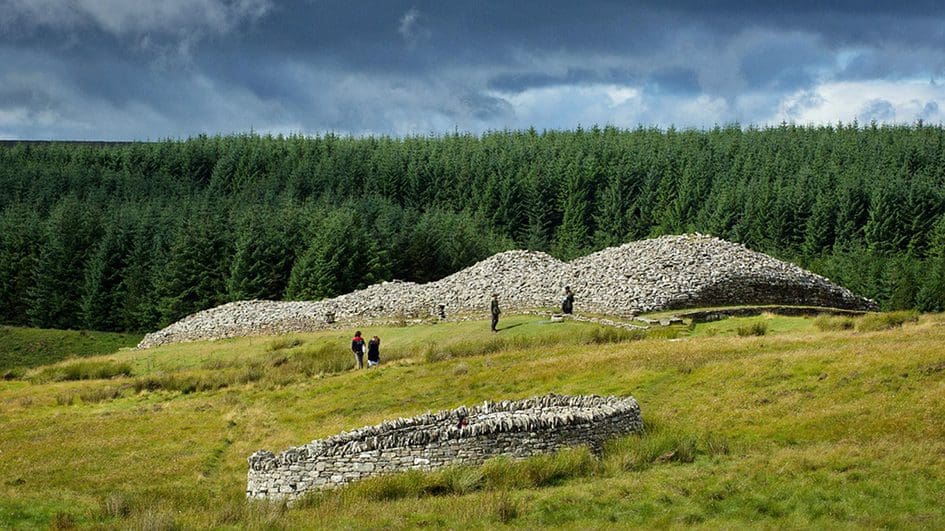
Or pay a visit to the atmospheric Grey Cairns of Camster, a pair of Neolithic tombs dating all the way back to 3,000BC. Standing inside these ancient stone chambers, surrounded by open moorland and silence, is an unforgettable experience – a direct connection to Scotland’s earliest ancestors.
Caithness Broch Project’s new broch at Latheron will bring all that history to life, reconstructing before our eyes the ancient techniques that shaped our land. Until then, exploring the brochs, cairns and standing stones already scattered across the region gives a true sense of the area’s depth of heritage.
Museums That Bring Highland History to Life
Caithness is a region that has reinvented itself many times over, its fortunes once built on farming and fishing and today powering renewable energy from its vast natural resources. Resilience is built into the local character, following centuries of struggle and triumph.
That history is captured in some of the most unique museums in Scotland. In place of tourist traps, you will find carefully preserved relics of a forgotten time. In Dunbeath, Laidhay croft museum presents a living history of 19th century Caithness life. The long, linear building is striking from the roadside, with whitewashed walls and a beautiful, thatched roof. A common sight in the 1800s, today it’s a rare survivor of the elements and a fascinating window to the past.

In nearby Helmsdale, Timespan beautifully reconnects the area’s past with its present – and its future. Here you will find a museum of social and natural history sitting alongside a thriving arts and community hub. With a rolling programme of exhibitions and events, Timespan harnesses contemporary art to tell powerful stories that are relevant to Highland life today.
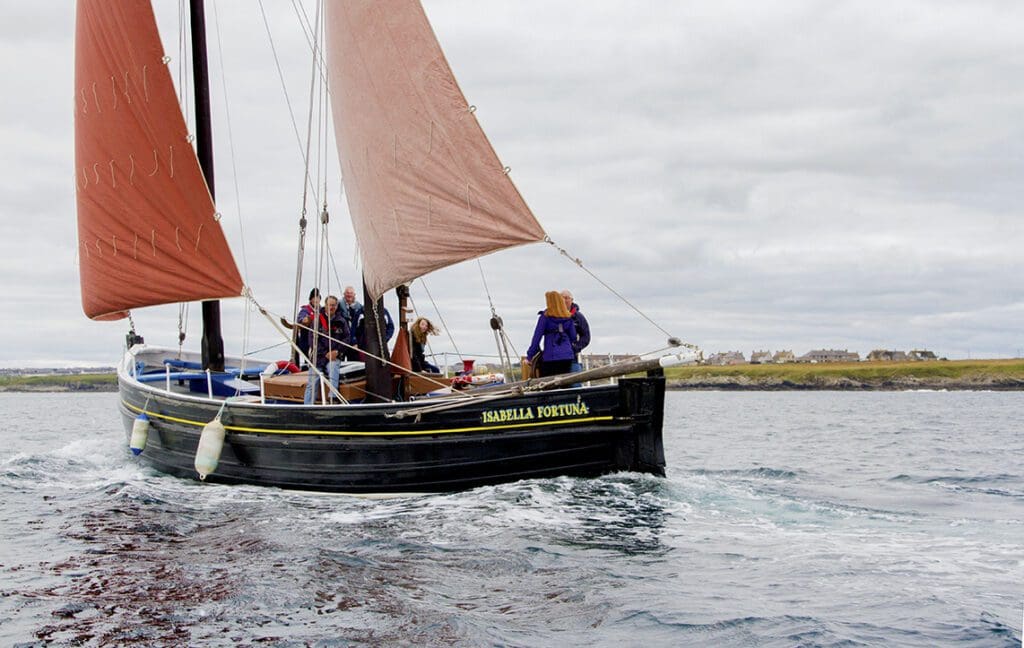
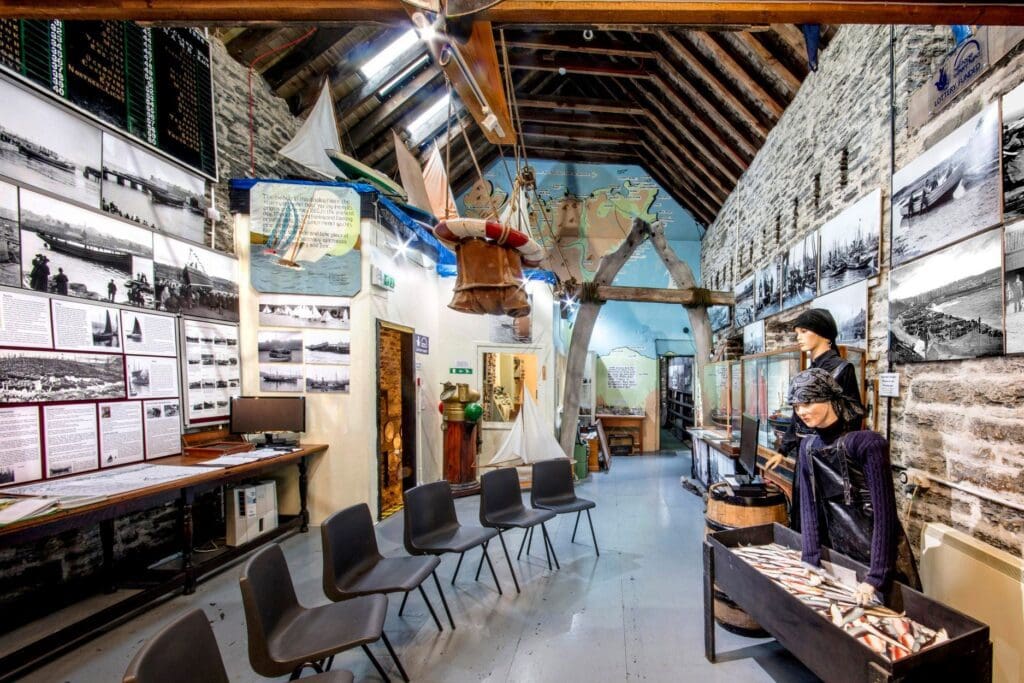
And of course, no visit to Caithness is complete without losing yourself in Wick Heritage Museum. Run by passionate volunteers, it’s treasure-trove of artefacts, photographs and recreated rooms, piecing together the story of Scotland’s busiest herring port. While you’re there, take some time to wander around the paved streets of Pulteneytown – made famous by Thomas Telford and Robert Louis Stevenson – and enjoy the bustling marina at Wick’s picture-perfect harbour.

Why Caithness Is Scotland’s Archaeological Heartland, The Community Projects Reviving Scotland’s Heritage
What unites many of Caithness’ most cherished historic sites is a shared spirit of community enterprise. Brochs rescued from ruin, crofts preserving a lost way of life, museums sustained by local historians – it’s local passion that keeps our heritage alive.
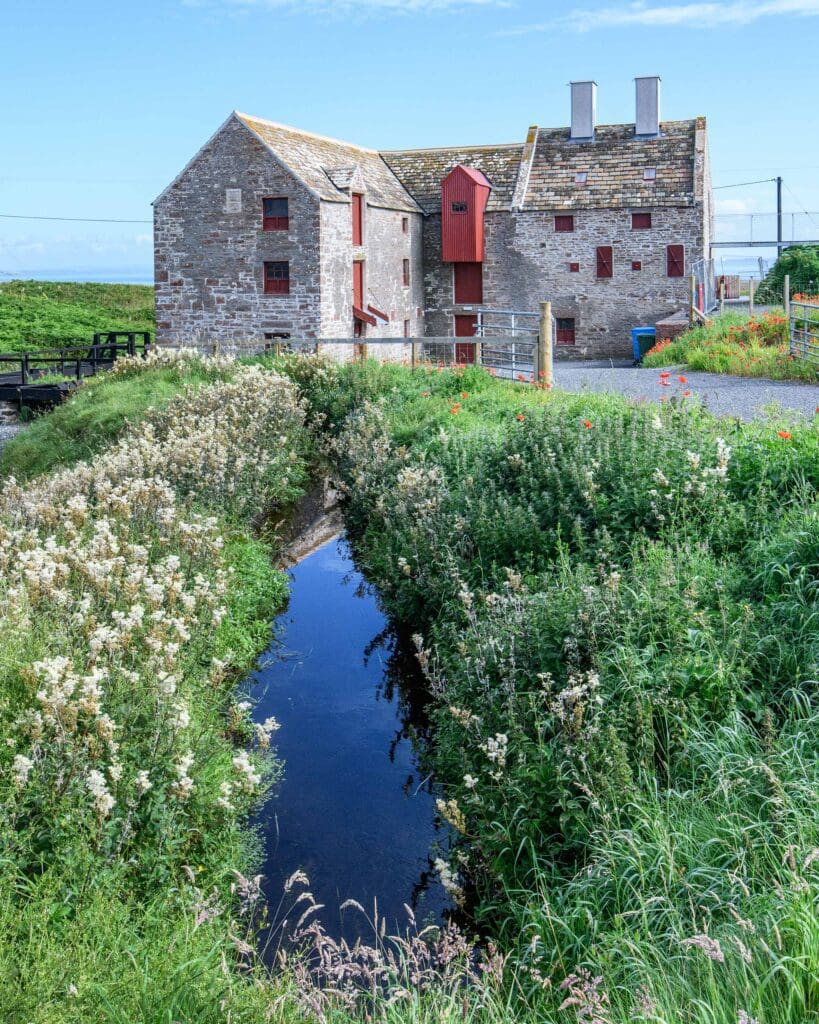
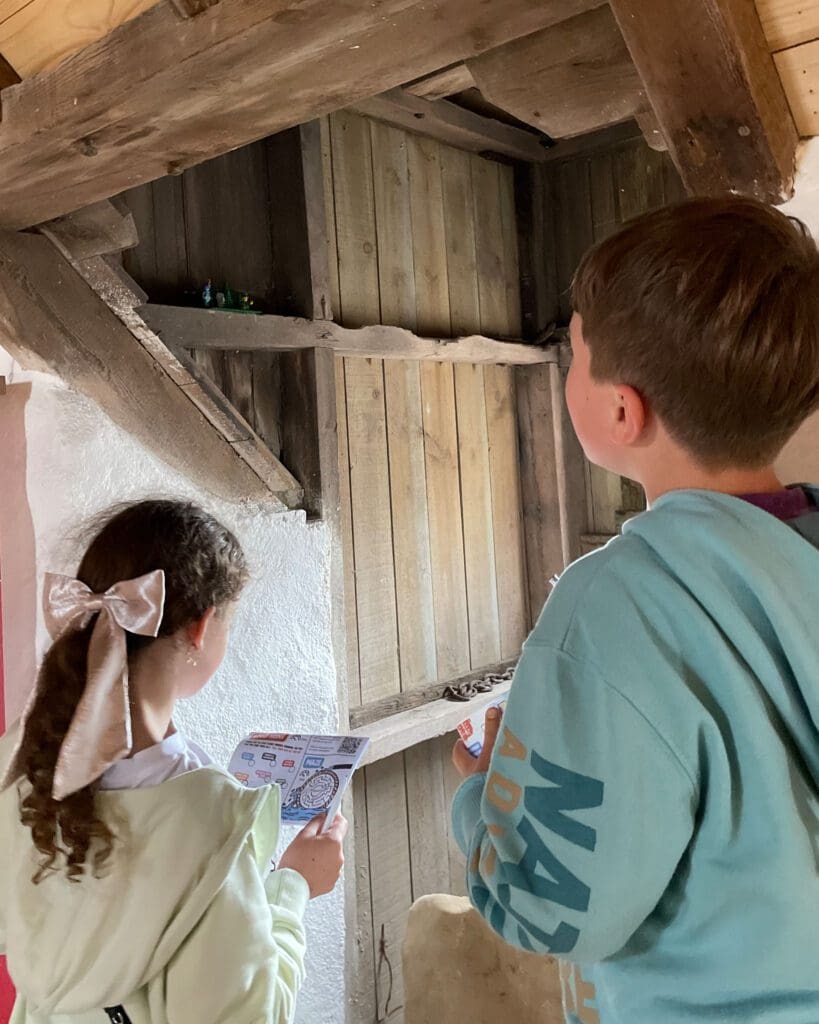
One of the most recent and impressive examples is the newly refurbished John O’Groats Mill. This A-listed water-powered corn mill was rescued by the John O’Groats Mill Trust, which poured £2.4 million funding into its restoration. The re-opened Mill now houses an interpretation centre and dedicated community spaces – while the mill wheel is turning again for the first time in over a century. It’s the latest addition to the successful regeneration of the whole John O’Groats Village into a thriving visitor gem on the NC500.
All that richness is right here in the landscape, for those who make the time to stop, explore and listen. Here in Caithness, history isn’t something to look at – it’s something to experience.
Plan your North Highland Adventure!
Planning a trip to Caithness and Sutherland? Your adventure starts here! Whether you’re booking now or just dreaming, we’ve got all the inspiration you need for your trip to the far north.